2026 Best Industrial Panel PC Features and Benefits?
In 2026, the Industrial Panel PC market will see significant advancements in technology and design. According to Dr. Emily Chen, a leading expert in industrial computing, “The future of Industrial Panel PCs demands innovation and flexibility.” This technology is increasingly fundamental for industries such as manufacturing, logistics, and healthcare.
Industrial Panel PCs are designed to withstand harsh environments while providing essential computing capabilities. Their robustness directly impacts productivity and efficiency in various applications. However, not all devices meet the growing demands of modern industries. Companies must carefully assess features such as touchscreen responsiveness and durability. An informed choice can prevent costly downtime and operational hiccups.
Despite the promising innovations, challenges remain. Many organizations struggle to integrate new technologies with existing systems. The complexity of industrial environments can also lead to unexpected performance issues. As we approach 2026, it's crucial to reflect on what truly defines a successful Industrial Panel PC.
Key Features of 2026 Industrial Panel PCs
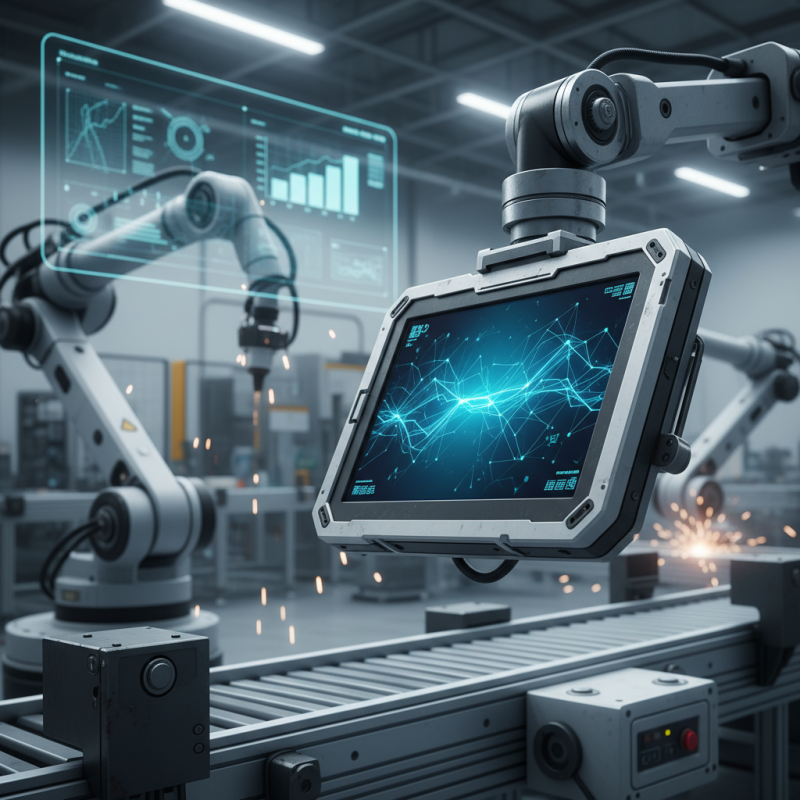
The 2026 Industrial Panel PCs are set to revolutionize the manufacturing landscape. These devices combine computing power with touchscreen capability, facilitating better user interaction. According to recent industry reports, the market for industrial panel PCs is expected to grow by 10% annually. This growth is driven by the increasing demand for automation in various sectors.
Key features of these panel PCs include durability and versatility. Many models can withstand extreme temperatures and an array of environmental challenges. For example, models with IP65 ratings are dust-tight and resistant to water splashes. This makes them suitable for use in factories and warehouses. There is a noticeable shift toward integrated systems that streamline operations, yet challenges remain. Some users report issues with software compatibility and the learning curve associated with new interfaces.
Another significant feature is connectivity. Industrial Panel PCs now support various communication protocols like Ethernet and RS-485. Such capabilities enable real-time data sharing and analysis, which enhances operational efficiency. However, the reliance on network stability raises concerns. Unforeseen outages can disrupt operations and require contingency plans. The industry must continue to innovate to address these shortcomings and meet evolving operational needs.
Advantages of Touchscreen Technology in Panel PCs
Touchscreen technology has rapidly gained popularity in industrial panel PCs. This innovation provides intuitive interaction, making workflows smoother and more efficient. Users can navigate through complex data with simple swipes and taps. The elimination of physical buttons reduces wear and tear, leading to longer-lasting devices.
One notable advantage is versatility. Touchscreen panels can be configured for various applications. Whether monitoring machinery or controlling automated processes, they adapt to user needs. However, reliance on touchscreens can sometimes lead to usability issues in certain environments. For instance, users with gloves may struggle to operate screens effectively.
Additionally, visual clarity is important. Many touchscreens offer vibrant displays, enhancing user engagement. Yet, glare can obstruct visibility in bright settings. To maintain effectiveness, users must assess their specific work conditions. Overall, while the benefits of touchscreen technology are significant, careful consideration of the environment is essential for optimal performance.
2026 Best Industrial Panel PC Features and Benefits
This chart illustrates the top features of the best industrial panel PCs in 2026, highlighting the advantages of touchscreen technology. Each feature is scored out of 10, giving a clear perspective on their efficacy and user satisfaction.
Robustness and Durability in Industrial Settings
Industrial panel PCs need to withstand harsh environments. Robustness is vital in settings like factories or warehouses. These machines often face dust, moisture, and temperature extremes. A high-quality panel PC can function normally even in these challenging conditions. This reliability is crucial for smooth operations.
Durability is another key factor. Industrial panel PCs are designed with rugged materials. They resist impacts and vibrations better than standard PCs. Some models feature sealed enclosures to keep dirt and liquids out. This protection minimizes the risk of failure. Regular maintenance is still necessary, but the need for frequent replacements is reduced.
While these devices are built to last, they aren't foolproof. Users must consider potential limitations. For instance, the cost of these robust systems can be higher. Proper configuration and installation are also essential for optimal performance. It's important to balance durability with budget constraints and specific needs. This evaluation often leads to better long-term investment decisions.
Connectivity Options and Integration Capabilities
In today’s industrial landscape, connectivity options in panel PCs play a critical role. They facilitate seamless integration with numerous devices and systems. Data from recent industry reports indicate that nearly 70% of manufacturers prioritize high connectivity in their hardware selection. This trend underscores the importance of supporting various protocols, such as Ethernet, Wi-Fi, and Bluetooth.
Many industrial panel PCs come equipped with multiple USB ports, serial ports, and even expansion slots. These features allow users to connect different peripherals easily. However, not all devices support the same connectivity standards. Compatibility issues can slow down integration efforts. This potential barrier is frustrating, especially when real-time data exchange is crucial.
Moreover, cloud integration capabilities are becoming essential. Industry studies reveal that over 60% of organizations use cloud applications for data management. Yet, some panel PCs struggle with these functions. Users may find limited options for cloud connectivity or a lack of security features. These shortcomings can pose significant risks to data integrity and operational efficiency.
Comparative Analysis of 2026 Models and Their Applications
In 2026, industrial panel PCs are evolving rapidly to meet diverse industry needs. These devices integrate touchscreens, advanced processing power, and durability. Many models now offer enhanced brightness for outdoor use. This feature is essential for applications in manufacturing and construction. Users require clear visibility regardless of lighting conditions.
When comparing different models, key factors emerge. Processing speed varies significantly. Some models handle complex applications easily. Others struggle with basic tasks under load. Additionally, connectivity options differ. Some PCs support multiple protocols, while others focus on a single standard. This aspect can influence industrial integrations. It’s crucial to choose a model that aligns with specific operational requirements.
Not all features are necessary for every setting. Some users may find touch functionality overrated in certain environments. Conversely, ruggedness is non-negotiable in manufacturing sites. A model's physical design influences usability. Spatial constraints in some workspaces can limit effective use. Users must evaluate their unique conditions when making a choice. Looking ahead, as technology evolves, the definition of "best" will continually change, guiding future purchases.
