Top 10 Benefits of Using LCD Screens for Your Displays?
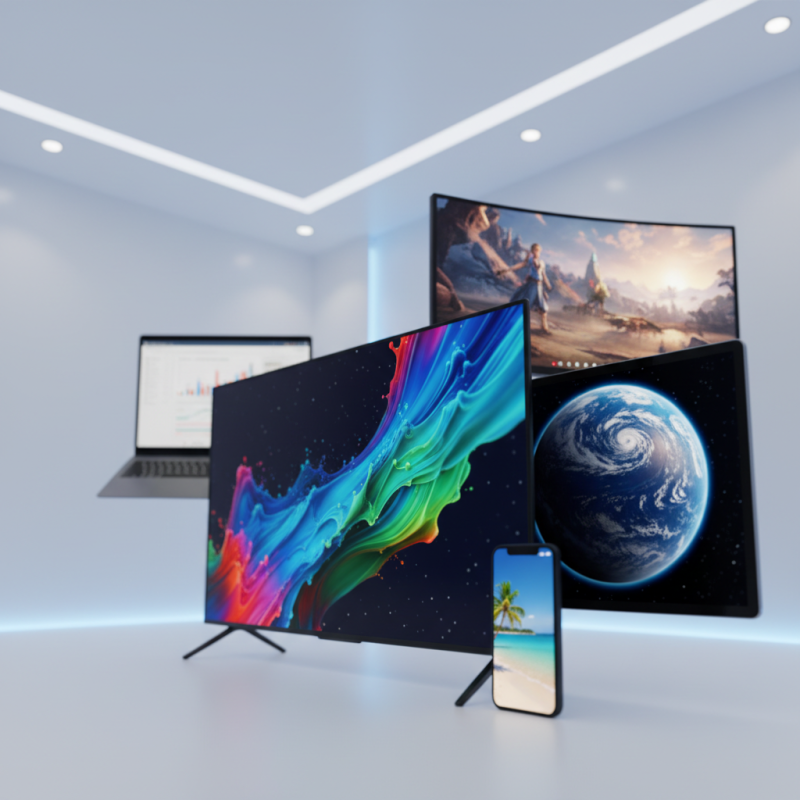
LCD screens have revolutionized the way we interact with technology. These displays are widely used in various devices, from televisions to smartphones. Their vibrant colors and sharp images make them a popular choice.
One of the main benefits of using an LCD screen is energy efficiency. They consume less power compared to older technologies like CRTs. This can lead to significant savings on electricity bills. Additionally, LCD screens are lightweight and thinner. This design allows for more flexibility in installation and presentation.
However, it's important to consider potential downsides. Some users may find limited viewing angles inconvenient. Others could feel that the price point is higher than expected. Despite these challenges, the advantages of using LCD screens often outweigh the negatives. Overall, their impact on visual technology is undeniable.
Advantages of LCD Screens Over Traditional Displays
LCD screens have transformed the way we view content. Their advantages over traditional displays are significant and evident. Brightness is one of the key benefits. LCD screens exhibit bright, vibrant colors that captivate viewers. This clarity is essential for various applications, from gaming to professional presentations.
Another advantage is energy efficiency. LCD displays consume less power compared to older technologies. This not only reduces electricity costs but also lessens environmental impact. Users often overlook this factor. However, it’s crucial for sustainability-minded individuals.
When using LCD screens, consider these tips. First, adjust brightness settings based on your environment. Extreme brightness can lead to eye strain. Second, maintain a clean screen. Dust and smudges can diminish the viewing experience. Lastly, ensure proper ventilation to avoid overheating.
While LCD technology is impressive, it's not without limitations. Color accuracy can suffer when viewed from extreme angles. This might disappoint users who require precise visuals. Some individuals may prefer the richer blacks of other display types. Ultimately, recognizing both strengths and weaknesses is vital for making informed choices.
Enhanced Energy Efficiency in LCD Technology
LCD screens are known for their remarkable energy efficiency. They consume less power compared to older display technologies. This is crucial in today's world where energy conservation is vital. Users can enjoy longer viewing times without excessive electricity costs. This feature makes LCDs an appealing choice for both home and office settings.
When considering energy-efficient displays, it’s essential to optimize their usage. Adjusting brightness settings can significantly reduce power consumption. Many devices have auto-brightness features; enable it. This makes screens adapt to lighting conditions. Properly managing screen time is also important. Remember to turn off displays when not in use.
Keeping LCDs clean contributes to their efficiency. Dust and fingerprints can affect display clarity and brightness. Regular maintenance ensures optimal performance. Over time, neglecting screen care can lead to a drop in efficiency. Reflect on how often screens are cleaned and maintained. Small changes can make a big difference, not just for energy savings but also for viewing quality.
Top 10 Benefits of Using LCD Screens for Your Displays
Superior Image Quality and Color Accuracy in LCD Screens
LCD screens are increasingly popular due to their superior image quality and color accuracy. Industry reports indicate that LCD technology offers about 72% of the NTSC color gamut, which is a significant benchmark for display quality. This means that colors appear more vivid and lifelike. For professionals in graphic design and photography, this accuracy is crucial.
When calibrating your LCD displays, consider the lighting environment. The perceived color can change drastically with different ambient light. A well-calibrated screen in a controlled light setting can enhance your work quality. Make sure to utilize color calibration tools regularly.
However, it is essential to remember that not all LCD screens are created equal. Quality varies significantly across products. Users should research specifications carefully. Pay attention to contrast ratios and pixel density as they significantly impact clarity and detail. Trustworthy reviews can provide valuable insights before making a purchase.
Top 10 Benefits of Using LCD Screens for Your Displays
| Benefit |
Description |
Impact on Users |
| Superior Image Quality |
LCD screens provide sharp, vibrant images due to their high resolution. |
Enhances visual experiences in gaming, movies, and professional work. |
| Color Accuracy |
Displays colors true to life, making them ideal for graphic design and photography. |
Improves accuracy in color-sensitive tasks. |
| Energy Efficiency |
Uses less power compared to older display technologies like CRT. |
Reduces electricity costs and environmental impact. |
| Space Saving |
Thin design allows for easy mounting and space management. |
Maximizes room utility and aesthetics. |
| Wide Viewing Angles |
Maintains image integrity from various angles. |
Ideal for presentations and crowded viewing environments. |
| Versatility |
Can be used in various settings including homes, offices, and public spaces. |
Adaptable for different needs and applications. |
| Durability |
More robust and less prone to damage than older technologies. |
Longer lifespans and lower replacement rates. |
| Reduced Eye Strain |
Designed to minimize flicker and glare for comfortable viewing. |
Enhances productivity and reduces fatigue for long usage. |
| Cost Effectiveness |
Offers high value with advanced features at competitive prices. |
Access to quality technology without high costs. |
| Eco-Friendly |
Less toxic materials and energy-efficient technology. |
Supports sustainable practices and minimizes waste. |
Slim Design and Space-Saving Features of LCD Displays
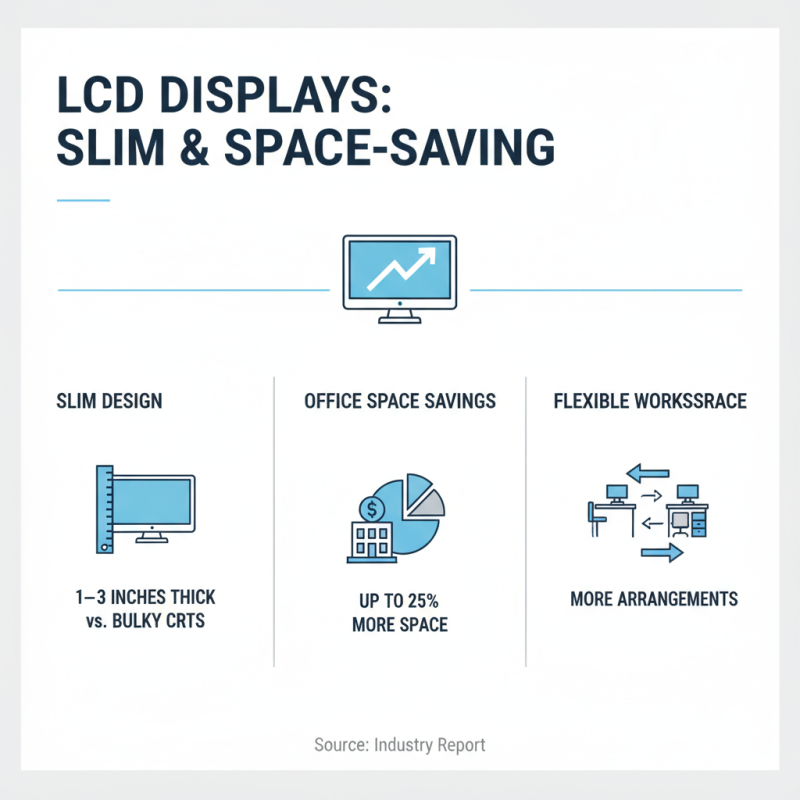
LCD displays have become increasingly popular due to their slim design and space-saving features. Their thickness often ranges from 1 to 3 inches. This gives them a significant edge over traditional CRT monitors. According to a recent industry report, businesses can save up to 25% more office space by opting for LCDs. This compactness allows for more flexible workspace arrangements.
Furthermore, the lightweight nature of LCD screens contributes to their space-saving capabilities. Many models weigh less than 10 pounds. Such low weight enables easy mounting on walls or use in mobile setups. Research shows that reducing clutter in the workplace can enhance productivity by 15%. However, while their sleek design is appealing, some users note limitations in screen durability. Scratches can occur, and care is essential.
Moreover, the energy efficiency of LCD displays is notable. They consume up to 30% less power than older models. This is another benefit that aligns well with environmental goals. Yet, businesses might overlook their need for proper ventilation. Insufficient airflow can lead to overheating. While slim designs are attractive, users must prioritize practicality in their choices.
Diverse Applications of LCD Screens in Various Industries
LCD screens have a wide range of applications across different industries. In healthcare, they display vital patient information. Doctors rely on this data for quick decisions. Clarity and color accuracy are crucial. An unclear display can lead to serious consequences, highlighting the importance of quality.
In the retail sector, LCD screens enhance customer experiences. Digital signage attracts shoppers’ attention. Promotions and advertisements can be easily updated. However, the content needs regular refreshment. Outdated information may confuse customers. It's vital to maintain accuracy and relevance in messaging.
Transportation systems also benefit from LCD technology. They provide real-time updates for passengers. At train stations, accurate arrival and departure times are essential. Yet, software glitches can complicate operations. Continuous monitoring is necessary to ensure smooth communication. The challenges highlight the need for ongoing improvements in technology.