China Top 10 CBD Vape Safety Questions Global Buyers Ask

CBD Vape safety begins with questions that product photos cannot answer. What ingredients are listed? Is the device clearly identified? Can buyers trace the product to a responsible manufacturer? These details matter. A neat label is not proof of quality, and a familiar flavor tells buyers little about the contents. Buyers should check available product documentation, inspect packaging for clear information, and avoid products with missing or contradictory details. They should also follow the manufacturer’s instructions and stop using a device that appears damaged or behaves unexpectedly.

This guide addresses ten questions global buyers commonly ask about CBD Vape products, from ingredient transparency and device materials to storage, labeling, and quality checks. It does not treat any product as risk-free. Inhalation can carry health risks, and product standards, terminology, and oversight vary between markets. Buyers should consult qualified health professionals when they have medical concerns, and check relevant local requirements before purchasing. Details matter. So does restraint.

A credible introduction should quote a named expert only when the wording and source can be verified. No supporting article or quotation was provided here, so attributing a statement to an expert would risk inventing evidence. That gap deserves attention, not gloss. The questions below therefore focus on checks buyers can make, the records they can request, and the warning signs that call for caution. Some answers may remain uncertain; clear uncertainty is more useful than a confident claim without evidence.
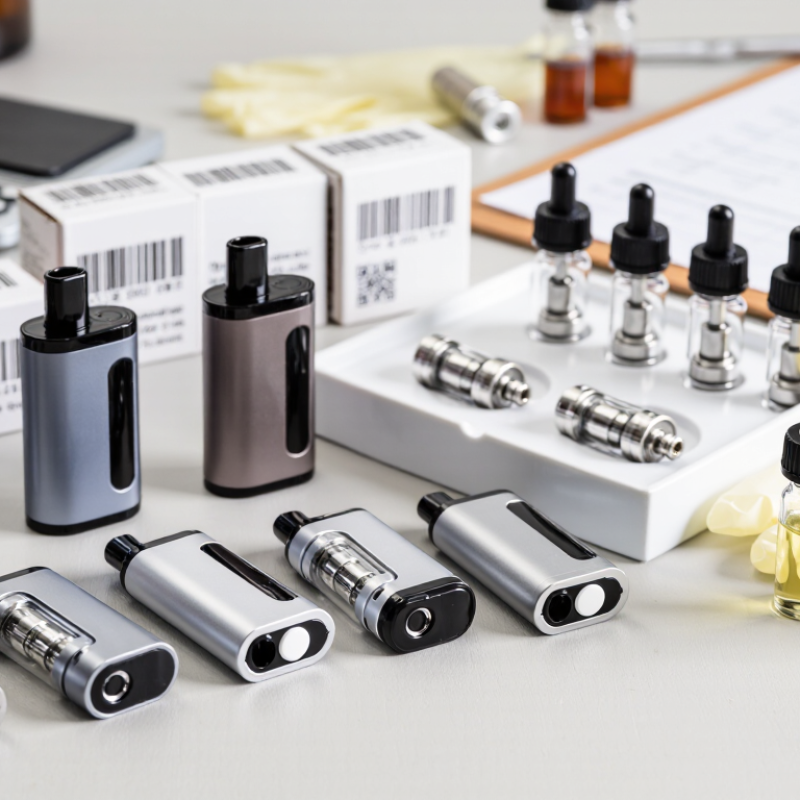
China Top 10 CBD Vape Safety Questions Global Buyers Ask

What Regulations Apply to CBD Vapes Made in China?

For a CBD vape made in China, the rules depend on the destination market, product claims, ingredients, and device design. There is no single certificate that clears a product for every country. Buyers should confirm local requirements before production, then review ingredient specifications, batch testing, contaminant limits, labeling, and traceability. Device checks may include electrical safety, restricted-substance rules, and lithium-battery transport documentation, where applicable. Keep separate records for the CBD formulation and the hardware.

That distinction matters.

The WHO’s 2023 global tobacco report counted 121 countries with some form of e-cigarette regulation; those rules do not automatically establish whether CBD products are permitted or how they are classified. The European Commission’s 2023 Safety Gate report recorded 3,412 product-safety alerts across categories, not specifically CBD vapes. This is a useful reminder: market surveillance is real, but a generic test report may not answer a regulator’s questions. Buyers should request test methods, lab accreditation details, and results linked to the exact batch and device model.

Paperwork is not enough.

Requirements can change, and I would verify them again before each shipment.

How Can Buyers Verify CBD Content and Product Ingredients?

A reliable CBD vape listing should make its CBD amount easy to check. Compare the label’s figure per millilitre or per device with a recent, batch-specific certificate of analysis. The batch number on the report should match the package, not just the product name. Check who performed the test, whether the laboratory is independent, and whether the report identifies its testing method and measurement units. Look for a cannabinoid profile and results for relevant contaminants, such as heavy metals and residual solvents. Clear numbers matter. If a report is missing, expired, or difficult to read, ask the supplier for a complete copy before ordering.

Review the ingredient list as carefully as the test report. It should identify the carrier liquids and flavoring components, rather than relying on vague phrases such as “natural blend.” Ask whether the tested sample used the same formulation and production batch as the items offered for sale. Packaging and paperwork should agree on CBD concentration, ingredients, and batch details. A certificate is useful, but it cannot answer every question about consistency or handling. Paperwork can still be incomplete. That is worth acknowledging. Keep written supplier responses and compare them with the label and report; small mismatches deserve clarification, not guesswork.

What Manufacturing Controls and Lab Tests Confirm Product Safety?

For CBD vape products, safety starts well before a finished device leaves the factory. Buyers should ask how incoming ingredients are identified, sampled, and matched to batch records. A clear lot code should connect the raw materials, filling date, device components, and final test report. Small details matter: a mismatched batch number can make a polished certificate hard to trust.

Manufacturing controls should include written cleaning procedures, calibrated filling equipment, and checks for leaks, cracked tanks, and inconsistent fill levels. Ask how staff record temperature and equipment adjustments. Ask for records. Independent laboratory reports can check CBD content and screen for contaminants such as residual solvents, pesticides, and heavy metals. For vape products, ask whether testing covers the liquid, the aerosol, or both; these are not interchangeable samples. Confirm the laboratory, test methods, report date, and exact batch tested.

Numbers need context. A test result is a snapshot, not proof that every unit is risk-free. Sampling plans can miss variation between units, and reports may not address every material or heating condition. One uncomfortable point: even careful controls have limits. Buyers should review the quality process, not just the certificate, and request clear explanations when a result, method, or sample description is missing.

China Top 10 CBD Vape Safety Questions Global Buyers Ask

What manufacturing controls and lab tests can help verify product safety?

This is a buyer due-diligence checklist, not test results or a claim that every item is legally required in every market. Request batch-specific reports from a qualified independent laboratory, check methods and detection limits, and confirm that testing covers the finished product and—where relevant—aerosol emissions. Requirements vary by jurisdiction.

Which Vape Device Features Reduce Contamination and Malfunction Risks?

For buyers assessing CBD vape devices, contamination control starts with the liquid pathway. Look for documented material specifications for every surface that contacts the formulation, including seals, tanks, and mouthpieces. A sealed, well-fitted cartridge can limit dust and handling exposure. It should not leak when held upright or gently turned. Clear lot identification and independent testing records also help buyers trace a device and its contents. Paperwork matters, but it cannot replace a physical inspection.

Malfunction risks depend on both design and quality control. Useful safeguards include short-circuit and overcharge protection, stable electrical connections, and automatic shutoff if the device overheats. Consistent heating can reduce scorching, though no setting makes every formulation behave identically. Check for loose mouthpieces, cracked reservoirs, uneven seams, or a burnt smell before use. Small details matter. Ask suppliers how they test battery performance, leakage, and repeated heating across production batches. A polished exterior is not proof of reliability; even good specifications leave room for defects. A cautious buyer should treat unclear material records or inconsistent batch results as reasons to pause.

How Should CBD Vapes Be Stored, Shipped, and Handled Safely?

Store CBD vape products in a cool, dry place, away from direct sunlight and heaters. Keep them in their original, sealed packaging when possible. Keep it cool. Avoid leaving a device in a hot car; heat can affect the liquid and battery. Store products out of reach of children and pets, and separate them from food. Check the package for storage instructions and use-by dates.

Before shipping, confirm that the carrier accepts the product and review the destination’s applicable requirements. Use a sturdy outer box, cushioning, and a sealed secondary bag to contain possible leaks. Keep liquid containers upright where packaging allows. Protect devices from accidental activation, and avoid shipping damaged, swollen, or leaking batteries. No shortcuts here. Record the shipment condition and retain product documentation, such as batch details, when available.

During handling, keep hands clean and inspect seals, mouthpieces, and device casings before use. Do not charge a device unattended or use one that becomes unusually hot, smells burnt, or shows visible damage. Packaging alone is not a safety guarantee. Even careful storage cannot correct poor product quality, and that is easy to overlook. When instructions are unclear, pause and ask the supplier for specific handling guidance.

Scroll to Top