2025 How to Choose the Best High Brightness LCD Display for Your Needs
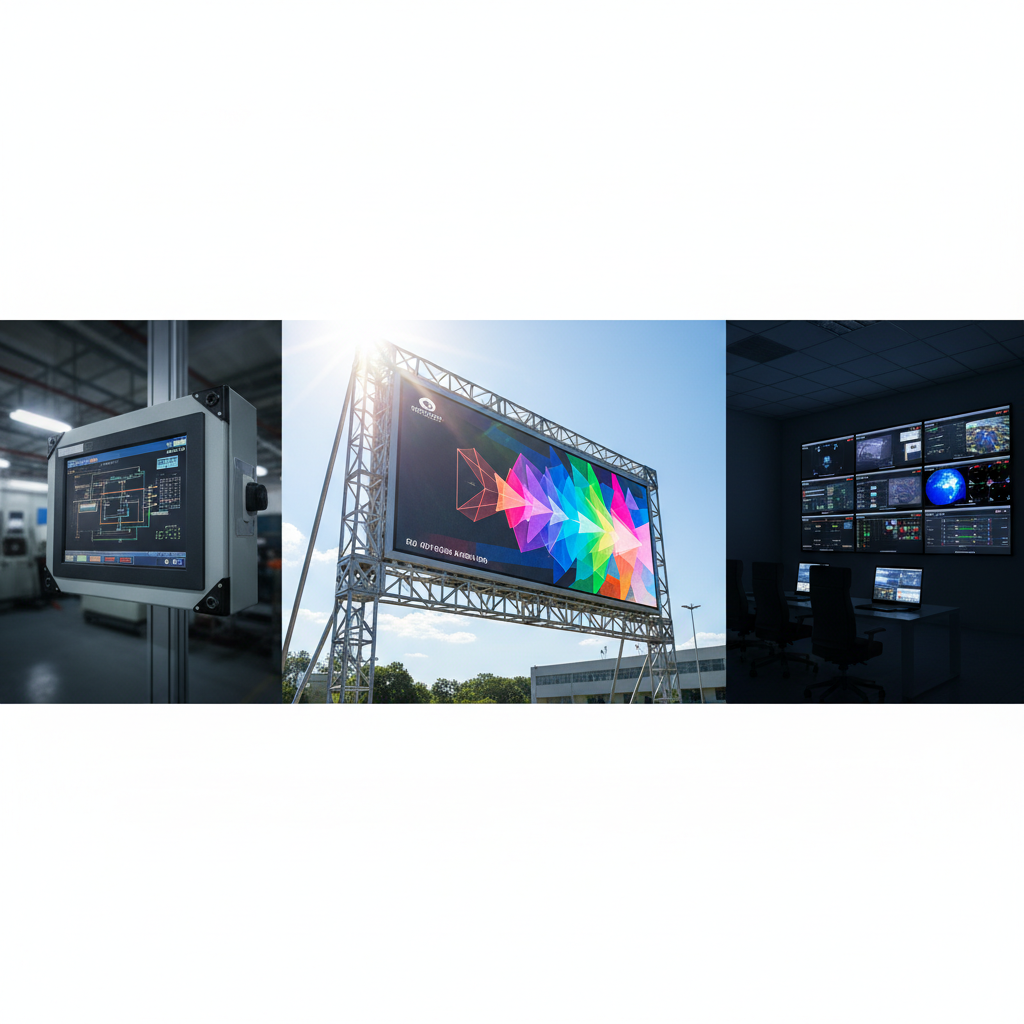
In the realm of modern display technology, the demand for high brightness LCD displays has surged significantly, driven by various factors such as outdoor visibility, industrial applications, and advancements in digital advertising. According to a report by MarketsandMarkets, the global market for high brightness displays is projected to reach USD 8.0 billion by 2025, growing at a CAGR of 8.2%. This growth reflects an increasing need for displays that can perform in challenging lighting conditions, making high brightness LCD displays a vital component in numerous settings.
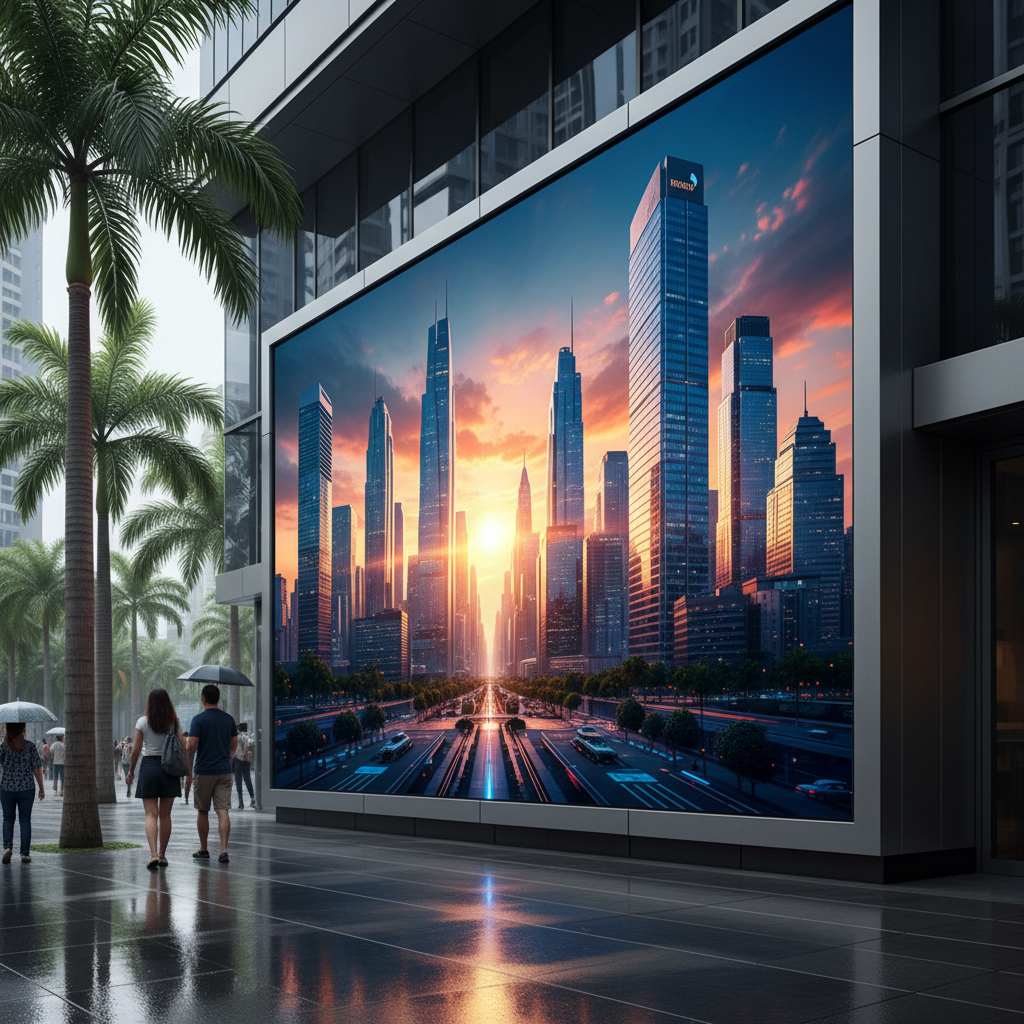
When selecting a high brightness LCD display for specific needs, it is essential to consider several factors, including brightness levels, durability, and energy efficiency. Displays that achieve brightness levels exceeding 1000 nits cater to outdoor environments where sunlight can significantly affect visibility. Additionally, industry studies highlight that the right display technology can enhance user engagement and improve operational efficiency, particularly in environments such as retail, transportation, and industrial sectors. Understanding these specialized requirements is crucial to making an informed choice that aligns with both technical specifications and real-world applications.
Understanding High Brightness LCD Display Technology
High brightness LCD displays have become increasingly essential across various industries, particularly in environments where visibility is critical. Understanding the technology behind these displays is fundamental when selecting the right one for your needs. High brightness LCDs are designed to operate in direct sunlight or brightly lit conditions, providing clarity and readability that standard displays cannot match. The brightness level is measured in nits, with effective displays exceeding 1000 nits, ensuring that content remains visible even in outdoor settings.
Another critical aspect to consider is the backlight technology used in high brightness LCDs. LED backlighting is prevalent due to its efficiency and ability to produce higher brightness levels without significant heat generation. Additionally, advancements in optical film layers enhance contrast ratios and improve sunlight readability. Factors such as viewing angles, color accuracy, and durability in harsh environments should also be evaluated, as they significantly influence the display's performance and longevity. By comprehending these technological elements, users can make informed decisions to select a high brightness LCD display tailored to their specific operational requirements.
Key Factors to Consider When Choosing a High Brightness LCD Display
When choosing a high brightness LCD display, several key factors come into play to ensure it meets your specific needs. First, consider the intended environment where the display will be used. Displays meant for outdoor use should have significantly higher brightness levels to combat sunlight and glare, whereas those for indoor use might require less brightness. Additionally, the screen size is crucial; a larger display can enhance visibility and engagement, particularly in crowded spaces or during presentations.
Another important aspect is the contrast ratio, which affects how well the content stands out against the background. A higher contrast ratio ensures clearer images, especially in bright conditions. Furthermore, resolution plays a critical role—higher resolutions offer finer details, making them better suited for applications where image clarity is vital. Lastly, integration capabilities with existing systems and ease of installation should not be overlooked, as these factors can significantly influence the overall effectiveness of the display in your commercial setting.
High Brightness LCD Display Comparison (2025)
Comparing Different Brands and Models of High Brightness LCD Displays
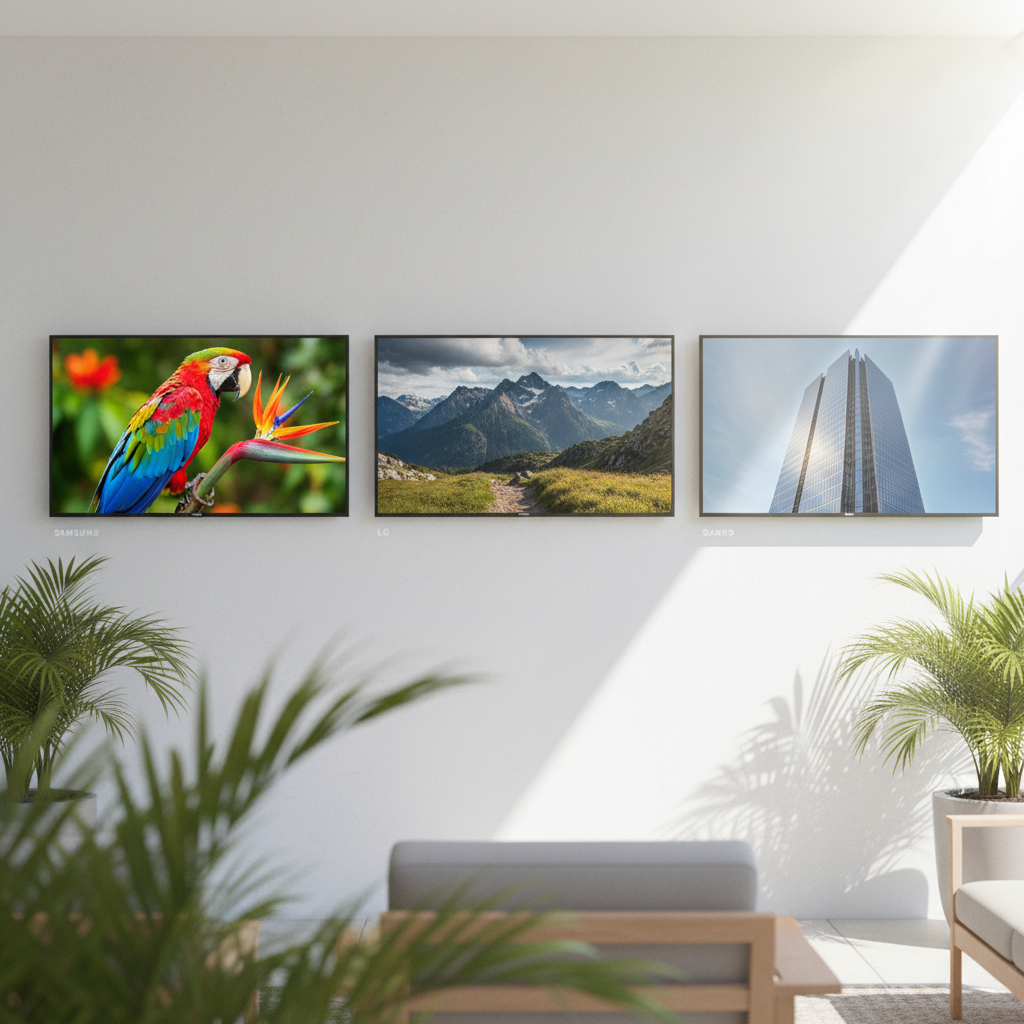
When selecting a high brightness LCD display, it is essential to compare different brands and models to find the best fit for your specific needs. Leading brands like Samsung, LG, and Sharp offer advanced technologies that enhance performance in bright environments. Samsung's displays are renowned for their vibrant color reproduction and impressive brightness levels, making them ideal for outdoor settings. Meanwhile, LG focuses on energy efficiency and durability, often featuring cutting-edge IPS technology for wider viewing angles.
On the other hand, Sharp prides itself on delivering ultra-high-definition displays with excellent sunlight readability. Their models often incorporate proprietary technologies that boost contrast ratios, which can be particularly advantageous for applications requiring clarity under direct sunlight. When comparing these brands, consider factors such as brightness (measured in nits), resolution, and the environmental conditions where the display will be used. Additionally, examining user reviews and professional evaluations can provide further insight into the reliability and performance of each model, aiding in making a well-informed choice.
Tips for Maintaining and Optimizing Performance of LCD Displays
When investing in a high brightness LCD display, maintaining and optimizing its performance is crucial for delivering the best visual experience. According to the latest report from DisplayMate, displays that are calibrated regularly can improve color accuracy by up to 40%. To achieve optimal performance, users should start by adjusting the brightness settings according to the ambient light conditions. For example, a display intended for outdoor use may require higher brightness settings, typically above 1000 nits, to remain visible in direct sunlight.
In addition to brightness adjustment, regular cleaning and maintenance of the display surface are essential for longevity and clarity. The International Display Research Institute emphasizes that dust and fingerprints can significantly diminish the display's performance, potentially impacting the viewing experience by as much as 30%. Using specialized cleaning solutions and microfiber cloths can help maintain the clarity of the screen. Furthermore, optimizing the display’s refresh rate and resolution settings according to the specific applications can yield further enhancements in visual quality and responsiveness, ensuring that the LDC display functions at its best for diverse viewing environments.
2025 How to Choose the Best High Brightness LCD Display for Your Needs - Tips for Maintaining and Optimizing Performance of LCD Displays
| Dimension |
Description |
Example Values |
| Brightness (cd/m²) |
The level of brightness that the display can achieve. |
1000 - 4000 |
| Contrast Ratio |
The ratio between the darkest and lightest parts of the display. |
1000:1 - 5000:1 |
| Resolution |
The number of pixels displayed on the screen, affecting clarity. |
1920x1080, 3840x2160 |
| Viewing Angle |
The maximum angle at which the display can be viewed without distortion. |
178° |
| Response Time (ms) |
How quickly a pixel can change from one color to another. |
1 - 8 |
| Lifespan (hours) |
Expected operational lifespan of the display. |
50,000 - 100,000 |