Why Choose High Brightness LCD for Your Display Needs?
In today's marketplace, the demand for high brightness LCD displays is rapidly increasing. According to a recent industry report by MarketsandMarkets, the global high brightness LCD market is expected to reach $10 billion by 2026, driven by growth in sectors such as retail, transportation, and signage. This growth underscores the importance of high brightness LCD technology in delivering clear and vibrant images in challenging lighting conditions.
High brightness LCDs are specifically designed to perform in bright environments. They provide enhanced visibility and color accuracy, making them ideal for outdoor applications. A study conducted by Display Search highlights that displays with higher brightness levels can improve viewer engagement by over 30%. However, choosing high brightness LCDs requires careful consideration, as they often incur higher costs and may have limitations in terms of their viewing angles and energy consumption.
Understanding the potential and limitations of high brightness LCD technology is essential for businesses looking to invest in display solutions. The focus should not only be on brightness levels, but also on the overall display quality and lifespan. Balancing these factors can lead to more informed decisions. As the industry evolves, future innovations may address current concerns, enhancing the functionality of high brightness LCDs while keeping costs manageable.
Understanding High Brightness LCD: Definition and Applications
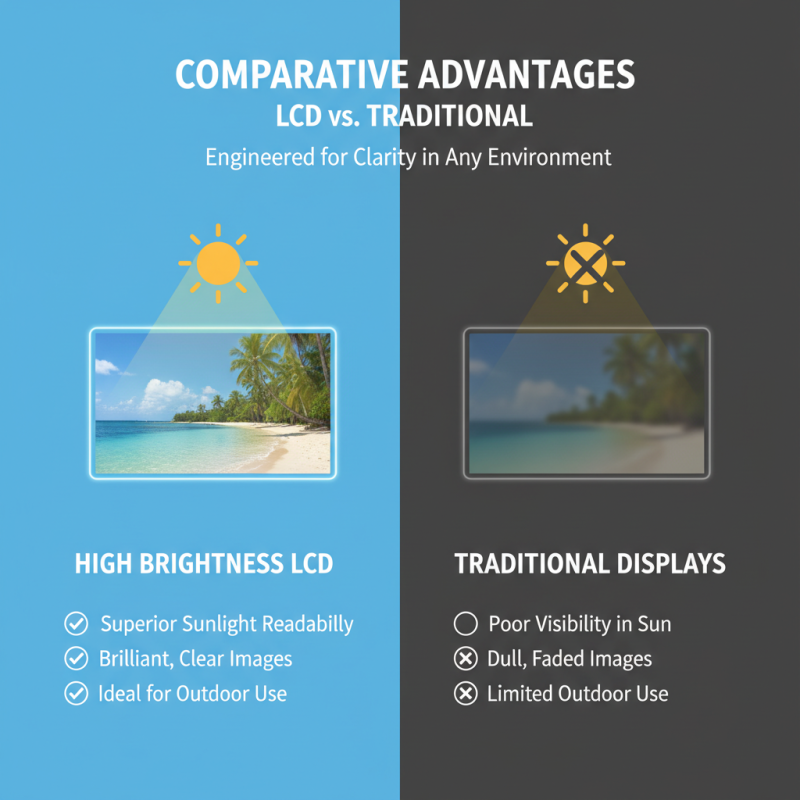
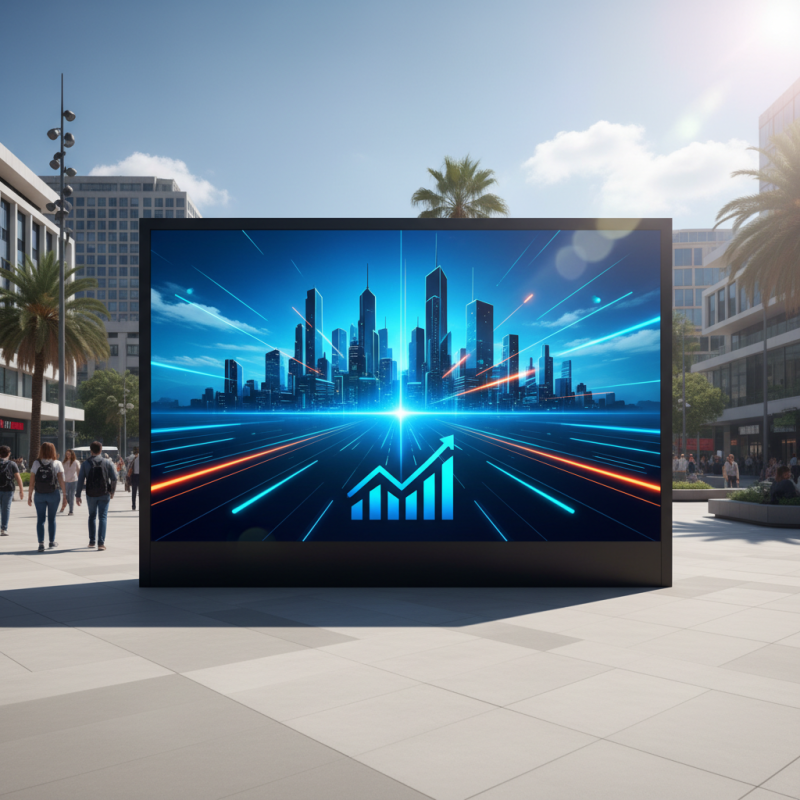
High brightness LCDs provide clarity in environments with high ambient light. They are designed to deliver vibrant visuals, even under direct sunlight. This makes them ideal for outdoor applications such as advertising displays, kiosks, and transportation systems.
Understanding their applications helps in selecting the right display. High brightness LCDs are commonly found in digital signage, where visibility is paramount. Their robust technology ensures they can endure tough conditions while maintaining performance. However, considerations like energy consumption and cost also matter.
Tips: Always assess your environment before choosing a display. High ambient light requires more brightness but can lead to higher energy costs. Regular maintenance is crucial; dust and direct exposure can affect performance. Ensure these screens are installed in locations where they can thrive yet remain protected from extreme weather.
High Brightness LCD Applications and Performance Comparison
High Brightness LCDs are pivotal for various applications where visibility is crucial. The bar chart above compares the brightness levels (in candela per square meter) of High Brightness LCDs used in different sectors, demonstrating their capability to meet demanding display needs.
Technological Innovations Driving High Brightness LCD Performance
High Brightness LCD technology has seen significant advancements recently. These innovations are driven by the demand for enhanced visibility in challenging lighting conditions. For instance, according to a recent market report, the segment of high brightness displays is expected to grow at a compound annual growth rate (CAGR) of over 10% from 2023 to 2028. This demonstrates the increasing reliance on high brightness solutions across various industries.
Key advancements include improved LED backlighting and enhanced panel materials. These developments allow high brightness LCDs to achieve levels exceeding 2,500 nits. Such brightness levels are essential for outdoor applications. They ensure that displays remain clear under direct sunlight. However, brighter displays also consume more power. This creates a dilemma for manufacturers aiming to balance performance with energy efficiency.
Another focal point is the use of advanced anti-reflective coating. This technology minimizes glare and enhances viewing angles. It helps in producing vivid and accurate colors. Yet, the cost of implementing these coatings can be significant. Many manufacturers face challenges in maintaining affordability while adopting these innovations. Overall, high brightness LCDs are pushing the boundaries of display technology, but not without certain trade-offs.
Impact of High Brightness LCD on Energy Consumption and Efficiency
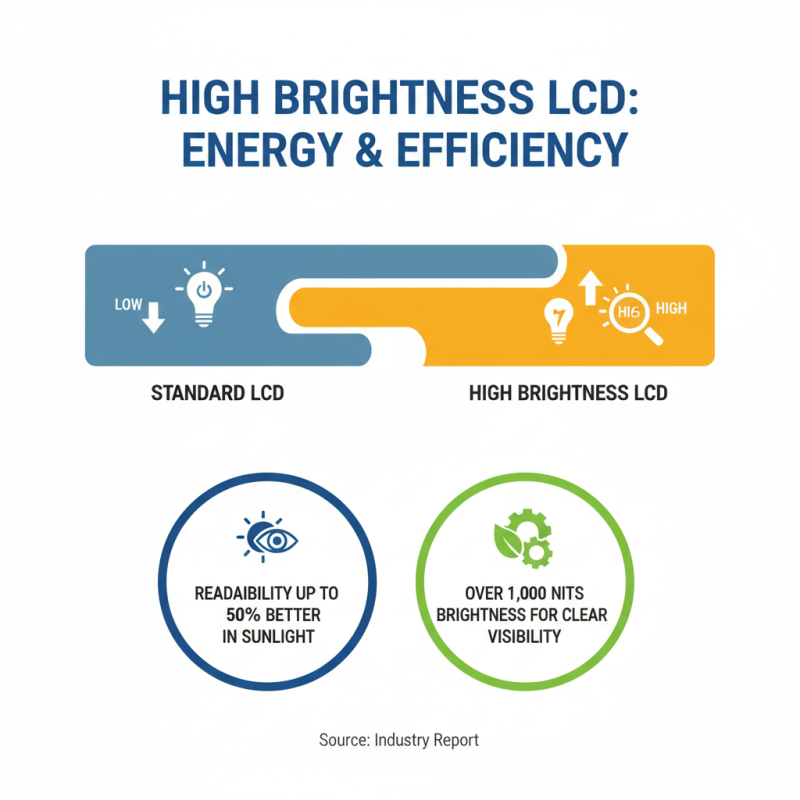
High brightness LCDs offer remarkable advantages in energy consumption and efficiency. These displays can achieve brightness levels of over 1,000 nits, significantly improving visibility in bright environments. According to a recent industry report, high brightness displays can enhance readability by up to 50% under direct sunlight. This improvement ensures that users can see content clearly.
Energy efficiency is another critical factor. High brightness LCDs often use advanced backlighting technologies that optimize power consumption. Some studies show that these displays can consume up to 30% less energy compared to traditional LCDs at similar brightness levels. However, the initial investment in high brightness technology may be substantial. This could deter some businesses from upgrading their display systems.
Moreover, while high brightness displays are beneficial, they can also lead to overheating issues if not managed properly. Over time, excessive heat may shorten the lifespan of the LCD. Users should ensure adequate ventilation and cooling solutions when deploying these displays in demanding environments. Balancing brightness with proper thermal management is essential for long-term efficiency.
Market Trends and Future Outlook for High Brightness LCD Technologies
High brightness LCD technologies are becoming increasingly significant in various markets. Their ability to perform well in bright ambient light conditions makes them ideal for outdoor applications. Industries such as advertising, automotive, and transportation are adopting these displays. They provide clear visibility, even under direct sunlight. Users expect a high level of detail, and bright displays deliver this.
Market trends show a growing demand for high brightness LCDs. Manufacturers are focusing on improving energy efficiency while enhancing brightness. This balance is not easy to achieve. It requires innovative design strategies and advanced materials. Experts are investing heavily in research to address these challenges. New developments are constantly emerging, pushing the boundaries of what is possible.
The future outlook for high brightness LCD technologies appears promising. As these displays become more affordable, their adoption will likely increase. However, competition from OLED technologies is intense. Companies must navigate this landscape carefully. Continuous improvement and adaptation will be vital. High brightness LCDs hold great potential, but companies must remain vigilant and responsive to market shifts.