Why Choose LED Display Modules for Your Business Needs?
In today's fast-paced business environment, choosing the right display technology is crucial. LED display modules are gaining popularity for their versatility and reliability. These modules not only provide vibrant visuals but also enhance customer engagement. Companies are increasingly turning to LED solutions for marketing and information dissemination.
LED display modules offer unique advantages. Their energy efficiency leads to lower operational costs, a key consideration for any business. Additionally, the durability of LED technology ensures long-lasting performance, making it a sound investment. However, selecting the right module requires careful consideration of specific business needs. This choice can impact overall effectiveness and audience reach, which are essential for success.
As businesses explore options, they must weigh the benefits against potential drawbacks. Not every LED display module fits every situation. Understanding your audience and objectives will guide your decision. Reliable information from experts can help you navigate this complex landscape. Embracing LED technology can elevate your brand and enhance communication with your customers.
Understanding LED Display Modules and Their Functionality
LED display modules are becoming a popular choice for many businesses. These modules are composed of a series of LED lights arranged in a grid pattern. This design allows for bright, vibrant visuals that can easily catch the eye. The ability to customize screen size and shape makes them versatile for various applications.
The functionality of LED display modules is impressive. They provide high brightness levels, ensuring visibility even in direct sunlight. The resolution can range from low to high, catering to different needs. Moreover, these modules are energy-efficient. Businesses can save on utility bills while enjoying engaging, dynamic content. However, the initial investment can be a concern for some. Understanding the long-term benefits versus upfront costs is essential.
Despite their advantages, there are challenges to consider. Weather conditions can affect outdoor displays. Regular maintenance is necessary to ensure proper functionality. Moreover, technical knowledge is needed for installation and content management. This can be a barrier for businesses without in-house technical teams. Balancing these factors is key to making an informed decision.
Why Choose LED Display Modules for Your Business Needs?
| Feature |
Description |
Benefits |
| High Brightness |
LED displays produce bright images even in direct sunlight. |
Great visibility in outdoor settings, enhancing customer engagement. |
| Energy Efficiency |
LED technology consumes less power compared to other display types. |
Lower energy bills and reduced environmental impact. |
| Customization |
Available in various sizes, resolutions, and configurations. |
Flexibility to tailor displays according to specific business needs. |
| Durability |
Robust construction can withstand harsh weather conditions. |
Long lifespan and reduced maintenance costs. |
| Dynamic Content |
Easily update content remotely or schedule it for future display. |
Timely promotions and dynamic information keeps engagement high. |
Advantages of LED Display Modules for Businesses
LED display modules have transformed the way businesses communicate with their audience. These displays are vibrant and eye-catching, making them ideal for attracting attention in busy environments. The clarity of LED screens ensures that messages are visible, even in bright sunlight. This is particularly beneficial for outdoor advertising and events, where visibility is crucial for engagement.
Reliability is another significant advantage. LED displays have a longer lifespan compared to traditional screens. This reduces maintenance costs and the need for frequent replacements. Their energy efficiency also contributes to lower operational costs. With advancements in technology, these displays can now be customized to fit various business needs, from dynamic advertising to informative content. This adaptability can enhance customer interaction, leading to increased sales.
However, businesses must approach these installations thoughtfully. An overly aggressive display can be off-putting. Proper placement and content strategy are critical for success. It's essential to balance attention-grabbing elements with professionalism. Reflecting on these aspects will ensure that LED displays serve their intended purpose effectively without compromising brand integrity.
Applications of LED Display Modules Across Industries
LED display modules are increasingly popular across various industries due to their versatility and effectiveness. Retail environments utilize these displays for vibrant advertising, enhancing product visibility. Studies show that dynamic content can boost customer engagement by up to 400%. This indicates that businesses leveraging LED displays are likely to see significant increases in foot traffic.
In the transportation sector, LED modules are essential for real-time information. Airports and train stations use them for schedules and updates, which improves passenger experience. According to industry reports, real-time updates can increase passenger satisfaction by 30%. However, there are challenges in ensuring the quality of these displays, as climate and location can affect their performance.
For event management, LED displays offer stunning visuals that captivate audiences. Their ability to adapt to various settings makes them a preferred choice for conferences and concerts. However, the initial investment can be daunting. Regular maintenance is also necessary for optimal performance.
Consider evaluating your specific needs before choosing an LED module. Factor in the environment, intended use, and budget. Prioritizing quality and reliability will lead to better long-term results.
Applications of LED Display Modules Across Industries
Cost-Effectiveness of LED Display Modules for Long-Term Use
LED display modules have gained traction in various industries due to their cost-effectiveness. One significant advantage is their longevity. Unlike traditional displays, LED modules can last tens of thousands of hours. This durability translates into lower replacement costs over time, making them a smart investment for businesses.
Another factor to consider is energy efficiency. LED displays consume less power than their counterparts. This reduced energy consumption not only lowers utility bills but also enhances sustainability. Moreover, with their bright and vibrant visuals, LED modules attract more customers. They create a more engaging experience that can lead to increased sales.
However, initial costs can be a barrier. Businesses may hesitate due to the upfront investment. It’s essential to weigh these costs against long-term savings. When considering the overall lifespan and reduced maintenance, the benefits often outweigh these initial hurdles. Making the switch can be daunting, but the potential for growth and customer engagement makes it a viable option. Optimizing display technology can propel a business forward in a competitive landscape.
Factors to Consider When Choosing LED Display Modules
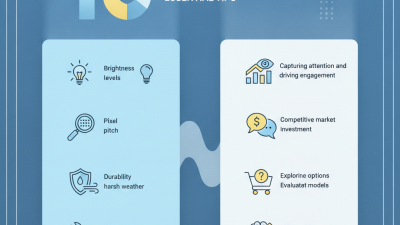
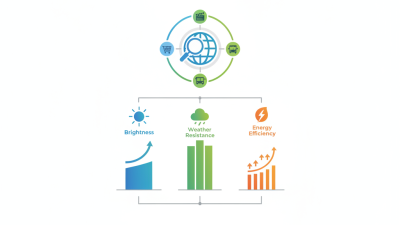
When selecting LED display modules, various factors come into play. Brightness is crucial, especially for outdoor displays. You want your message to be visible even in direct sunlight. The pixel pitch affects image clarity. A smaller pitch means sharper images, which is essential for detailed graphics. Consider the resolution based on your audience's viewing distance.
Durability is another key aspect. LED displays can be costly investments. Choosing weather-resistant models ensures they withstand harsh conditions. Think about the energy efficiency of the modules. Models that consume less power can lead to significant savings over time. However, upfront costs may be higher, leading to a trade-off between initial investment and long-term savings.
User-friendliness is important too. Intuitive control systems can simplify operation. Some displays come with features for remote management. This can make maintenance easier, but may also complicate the initial setup. Lastly, don't ignore warranty and support services. A robust warranty indicates confidence in product durability and saves costs on repairs. Balancing these factors is vital to make informed decisions that align with your business goals.