How to Choose the Best Eave Lighting for Your Home?
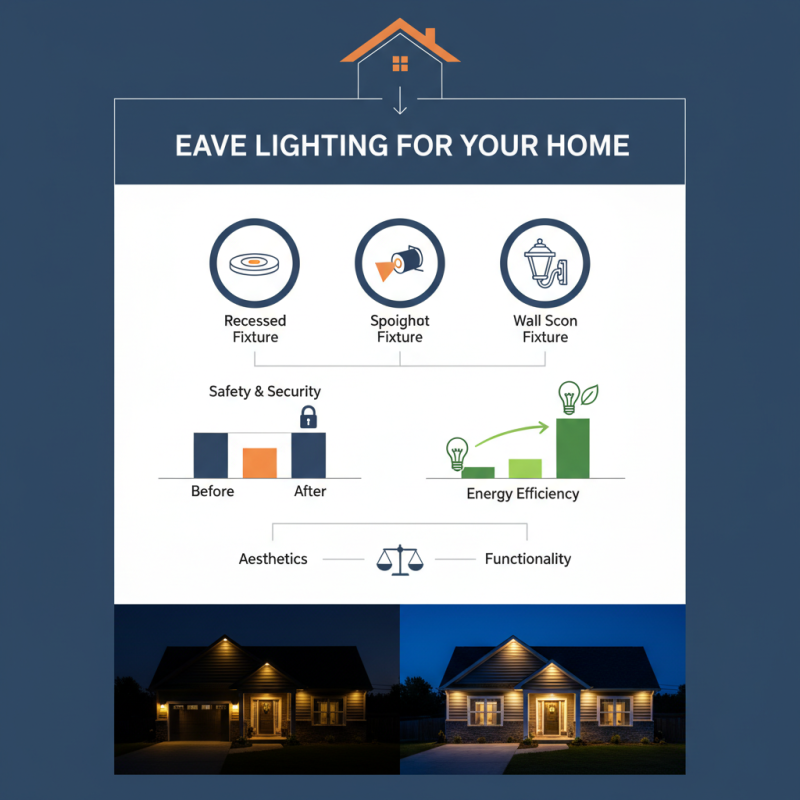
Eave Lighting plays a crucial role in enhancing the aesthetic and functional aspects of your home. According to industry reports, effective eave lighting can improve safety and security by up to 40%. This is particularly important for homes in darker neighborhoods. Choosing the right lighting can transform your home's exterior, making entrances more inviting.
When selecting eave lighting, consider the types of fixtures available. Options include recessed, spotlights, and wall sconces. Each type offers unique benefits and varying degrees of illumination. Additionally, energy-efficient LEDs have gained traction, as they consume less electricity and last longer than traditional bulbs. However, many homeowners hesitate to invest in this upgrade, often overlooking its long-term value.
It's essential to assess your home’s style and layout when choosing eave lighting. A poorly matched fixture can detract from your home’s character. Moreover, an inadequate light can leave dark corners, which may feel unwelcoming. Aim for a balance between aesthetics and functionality. Reflect on your needs and preferences, and consider how each fixture will impact your home’s overall ambiance.
Factors to Consider When Selecting Eave Lighting Solutions
When selecting eave lighting for your home, consider several key factors. The placement of lights is essential. Think about where shadows may fall and how the light will enhance your home's architecture. Look for areas needing illumination. This might include pathways or entryways. Properly placed lighting adds both safety and beauty.
Next, consider the type of lighting that suits your needs. Options include LED, incandescent, or solar-powered lights. Each has distinct advantages and drawbacks. LEDs are energy efficient but may not provide the warm glow some homeowners desire. Incandescents offer warmth but consume more power. Solar lights depend on sunlight, which may be unreliable in winter.
Lastly, think about the design and aesthetics. Choose fixtures that complement your home's style. A modern home needs clean lines and a sleek design. A rustic home may benefit from lantern-style lights. Reflect on how these choices reflect your personal taste. Good lighting enhances curb appeal, but poor choices can be glaring and unattractive. Evaluating these aspects carefully helps create a cohesive look.
Different Types of Eave Lighting Fixtures for Home Exteriors
When selecting eave lighting for your home, consider the fixture types available. Floodlights are powerful and can illuminate wide areas. They are perfect for landscapes or driveways. However, they can be too bright for some settings. Make sure to position them carefully to avoid glare.
Another popular option is wall-mounted sconces. These fixtures add elegance and can highlight architectural details. They come in various styles, from rustic to modern. However, their light may not cover vast spaces. Consider their size relative to your home’s exterior.
String lights are also charming for a cozy atmosphere. They can be easily draped along eaves. However, their longevity depends on the weather. Check them regularly for wear and tear. Each lighting type has its pros and cons. Reflect on your specific needs and the ambiance you wish to create.
Energy Efficiency Ratings and Their Importance for Eave Lighting
Choosing the right eave lighting for your home requires careful consideration of energy efficiency ratings. These ratings indicate how effectively a light fixture converts electricity into light. High ratings suggest better efficiency and lower energy costs. This can lead to savings on your monthly bills.
Not all lights are equally efficient. Some may look appealing but consume more power. It's worth looking closely at the lumens per watt. This ratio helps you understand how bright the light is compared to its energy use. A common mistake is purely focusing on brightness.
Remember that installation also impacts efficiency. Poorly placed lights can create shadows, leaving areas dark and unsafe. Consider smart lighting options that adjust automatically. They adapt to your needs and can further reduce energy use. Reflect on your choices. In the long run, energy-efficient eave lighting benefits both your wallet and the environment.
Aesthetic Styles: Matching Eave Lighting with Home Design
When considering eave lighting, aesthetics play a crucial role. The light fixture should not only provide functionality but also complement your home’s architectural design. According to the American Institute of Architects, 68% of homeowners prioritize aesthetics in outdoor lighting choices. This statistic highlights the importance of visual appeal.
Choosing the right style is essential. Classic fixtures can enhance traditional homes, while sleek, modern designs work well for contemporary builds. For instance, ornamental sconces can add charm to colonial-style houses, while minimalist lights can create an elegant look for modern facades. Ensure that the material and color of your eave lights blend with the exterior. Metal finishes or warm-toned glass can work beautifully with brick or wood.
Tips: Consider the height of your eaves when selecting fixtures. Too low can overwhelm the space, while too high may result in insufficient light. Layering light is key. Use different fixtures to create depth and atmosphere. Regularly assess the condition of your lights; wear and tear can detract from your home’s appearance. Reflect on the overall effect of your eave lighting during different seasons. What looks great in summer may not translate well in winter.
Installation Tips for Eave Lighting to Enhance Safety and Ambiance
Eave lighting can significantly enhance your home’s safety and atmosphere. Proper installation is crucial for maximizing these benefits. According to the American Lighting Association, well-placed outdoor lighting can reduce accidents by nearly 30%. This highlights the importance of strategic placement around pathways and entrances.
When choosing eave lighting, consider factors like brightness and color temperature. Brightness levels should be adequate but not blinding. Warm white light is often preferred for creating a cozy ambiance. Position fixtures at least eight feet above the ground. This height helps illuminate areas effectively while minimizing glare. You might need to experiment with different angles. Sometimes fixtures require readjustment for optimal performance.
Using energy-efficient LED lights can cut energy costs by up to 80%. However, not everyone is aware of the longevity these lights offer. While they may have a higher initial cost, their lifespan can exceed 25,000 hours. In contrast, traditional bulbs might need replacement every year. This discrepancy highlights a missed opportunity for many homeowners. Thoughtful selection and installation can improve both safety and aesthetics in your home.
