How to Choose the Best Outdoor Flashlight in 2026?

Choosing an Outdoor Flashlight in 2026 means looking beyond the biggest lumen number on the box. Real use is less tidy: a muddy trail, cold fingers, a tent zipper, and a battery that fades sooner than expected. Small details matter. The Outdoor Industry Association’s 2024 Outdoor Participation Trends Report counted 175.8 million U.S. participants aged six and older in outdoor recreation. That broad figure does not measure flashlight demand, but it shows how many people spend time outside, where dependable light can support routine activities.

For a practical comparison, check beam distance, runtime, impact resistance, and water resistance alongside brightness. ANSI/PLATO FL 1 provides standardized methods for reporting these flashlight performance measures, making product specifications easier to compare. Still, test conditions are not the same as a windy campsite or a long walk home. A light rated for impressive output may drain quickly, while a lower-output setting may be more useful for reading a map or finding gear inside a tent. Battery type, charging options, weight, grip, and switch placement also deserve attention. They are easy to overlook in a product chart. That is the catch. This guide explains how to weigh those trade-offs when choosing the best Outdoor Flashlight for 2026. No single model suits everyone; the right choice depends on your activity, expected weather, and willingness to carry spare power. A little skepticism helps. Product claims are useful starting points, not guarantees of performance in every outdoor setting.
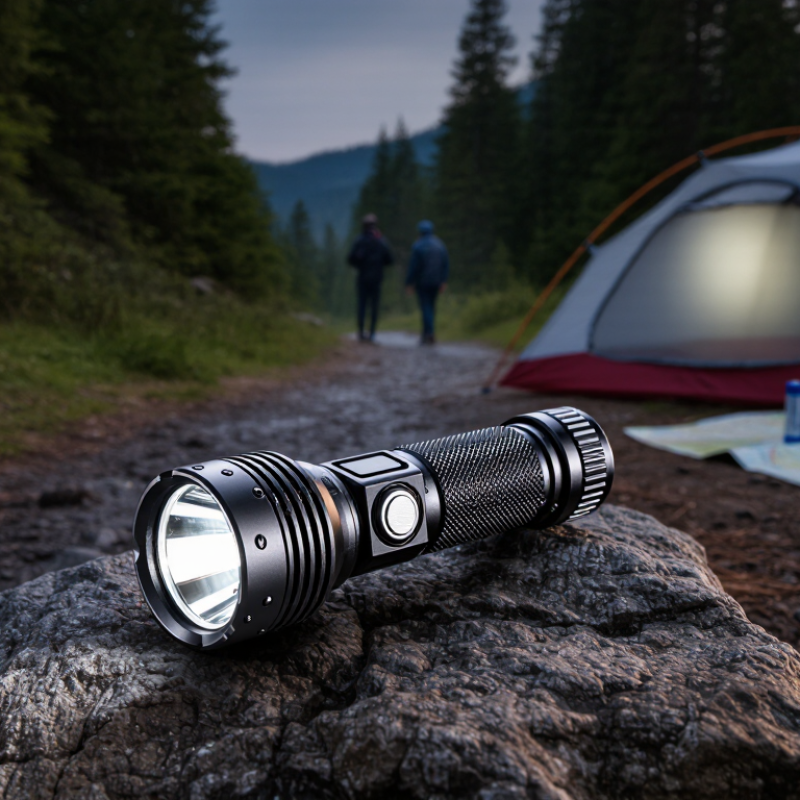
How to Choose the Best Outdoor Flashlight in 2026?

Identify Your Outdoor Lighting Needs and Typical Conditions

Before choosing a flashlight, picture where and how long you will use it. A campsite needs close, even light for cooking, sorting gear, and finding tent zippers. A narrow trail calls for a beam that reaches farther and reveals roots before your foot finds them. Look beyond peak brightness: useful runtime, comfortable grip, and simple controls matter after dark. Cold weather can shorten battery life, so check how the light performs in low temperatures. Small details count.

Think about typical conditions, not ideal ones. Will rain soak your pack? Do you need one hand free for a map or trekking pole? A wide beam helps around camp, while a focused beam suits open paths. Some lights offer both, but extra modes can be awkward with cold fingers. It is easy to overvalue a high lumen figure; brightness alone does not tell you how long usable light lasts. Check the runtime at a practical setting, and consider whether replacement batteries or charging will be available on your trip. A small mistake is testing a light only indoors. Try it outside, where wet leaves, uneven ground, and distant trail markers reveal what the specifications may miss.

Compare Brightness, Beam Distance, and Beam Pattern

Choosing the best outdoor flashlight in 2026 starts with matching its beam to your usual route. Lumens describe total light output, but they do not tell the whole story. A 600-lumen light can feel harsh in a narrow tent, while a lower setting may suit a quiet campsite. Not always brighter. Check how long the light maintains its stated output, too; maximum brightness often drains the battery quickly. For a nighttime walk, a comfortable medium setting is usually more useful than a short burst of glare.

Beam distance matters on open trails, where spotting a sign or uneven ground ahead can help. Yet distance figures are measured under specific conditions, so treat them as a comparison, not a promise. Beam pattern changes how that light feels. A focused spot reaches farther but can leave nearby ground dim. A wide flood beam spreads light across a picnic table or rocky path, though it may not reach far. A balanced beam can handle both, but its hotspot may still feel too narrow for some users.

Tips: Compare brightness, distance, and beam pattern together. Test the light outside, not just against a wall. Notice whether the edges of the beam reveal roots and stones. If possible, try its low setting with gloves on. Small controls can be fiddly, and I would not assume every flashlight feels intuitive in the dark.

Evaluate Battery Type, Runtime, and Charging Options

Battery choice shapes every trip. AA cells are easy to replace on a late hike, while a rechargeable lithium-ion pack can reduce disposable-cell use. Check the exact cell format, not just the flashlight’s claimed capacity. Milliamp-hours are useful only when comparing cells at the same voltage and under similar test conditions. Cold nights can also reduce usable battery performance, so leave a reserve. A small spare cell may matter more than a bright mode you rarely use.

Runtime figures need careful reading. ANSI/PLATO FL 1-2019 measures runtime from 30 seconds after activation until output falls to 10% of its initial level. That is a test definition, not a promise of steady brightness. Compare lights tested under the same standard, and look for output curves when available. A light may dim well before its advertised runtime ends. Real trips are messier. For charging, USB-C can simplify packing, while a removable battery can be replaced quickly if charging is unavailable. Check whether the light works during charging, how long a full charge takes, and whether its port has a cover. One detail is easy to miss: a built-in battery is convenient, but it may leave the flashlight unusable when the battery wears out.

How to Choose the Best Outdoor Flashlight in 2026? — Evaluate Battery Type, Runtime, and Charging Options

Battery Type Typical Capacity Typical High-Output Runtime Typical Low-Output Runtime Charging or Replacement Options Best For Key Considerations
AA alkaline About 2,000–2,800 mAh per cell; usable capacity varies with load and temperature About 1–3 hours in a compact flashlight using one or two cells About 20–60 hours, depending on the light’s low mode Replace with widely available disposable AA cells; no built-in charging required Occasional use, emergency kits, and trips where replacement cells are easy to find Simple to replace, but performance can drop quickly under high loads and in cold conditions. Do not recharge disposable alkaline cells.
AA NiMH rechargeable Typically about 1,900–2,500 mAh per cell About 1–3 hours in a compact flashlight using one or two cells About 20–60 hours, depending on the light’s low mode Recharge in a compatible external NiMH charger; carry spare charged cells for longer trips Frequent use when standard-size replacement cells are preferred Can reduce disposable-cell waste. Check the flashlight manual for compatibility because cell voltage and performance may differ from alkaline cells.
CR123A lithium primary About 1,400–1,700 mAh per cell; non-rechargeable About 1–3 hours with a compatible high-output flashlight About 20–50 hours, depending on the light’s low mode Replace with new CR123A cells; rechargeable RCR123A cells are not interchangeable unless the flashlight specifically supports them Cold-weather use, long-term storage, and compact lights designed for these cells Good shelf life and cold-weather performance, but replacement cells may be less common and more costly than AA cells.
18650 rechargeable Li-ion Typically about 2,500–3,500 mAh per cell About 1.5–4 hours at a sustained high setting About 30–100 hours, depending on the light’s low mode Charge in the flashlight if it has a protected charging port, or use a compatible external charger Regular hiking, camping, and general-purpose outdoor use Offers a useful balance of capacity and size. Use only the cell type and charging method specified by the flashlight manufacturer.
21700 rechargeable Li-ion Typically about 4,000–5,000 mAh per cell About 2–5 hours at a sustained high setting About 40–120 hours, depending on the light’s low mode Charge through a compatible built-in port or with an external charger designed for the cell Longer outings and users who want greater capacity in a single-cell flashlight Usually larger and heavier than an 18650 cell. High-output modes may cause the flashlight to reduce brightness as it heats up.
Built-in rechargeable Li-ion battery Commonly about 1,000–5,000 mAh, depending on flashlight size About 1–4 hours at a sustained high setting About 20–100 hours, depending on the light’s low mode Recharge through the flashlight’s USB port; some models also support charging from a power bank Convenient everyday carry and trips with access to USB power Easy to recharge, but the battery may not be user-replaceable. Check charging-port protection and whether the light can operate while charging.

How to compare runtimes: These are approximate ranges for common flashlight configurations, not guarantees for a specific model. Output level, battery quality, temperature, age, and thermal regulation all affect runtime. For a fair comparison, check runtime figures measured using the ANSI/PLATO FL 1 standard and review the manufacturer’s runtime graph when available.

Check Durability, Weather Resistance, and Ease of Use

A dependable outdoor flashlight must handle rough ground, sudden rain, and quick adjustments in the dark. Check its stated impact rating and the test method behind it; a tough-looking casing proves little. The ANSI/PLATO FL 1 standard provides consistent methods for measuring flashlight performance, including impact resistance and water resistance. For weather protection, read the actual IP rating. Under IEC 60529, IPX4 indicates resistance to splashing water, while IPX7 covers temporary immersion up to one meter for 30 minutes. These ratings describe different conditions. Neither means a flashlight is suitable for every storm or water exposure.

Ease of use matters when your hands are cold or gloved. Try the switch, mode controls, and battery compartment before heading out. Can you find the main button without looking? Good. A deeply recessed switch may prevent accidental activation, but it can also be awkward with gloves. Check runtime figures carefully, too. ANSI/PLATO FL 1 defines runtime by when output falls to 10 percent of its initial measured level, not when the light goes completely dark. That distinction can affect a long hike. Choose a beam you can adjust easily, and inspect seals after battery changes. Even careful users overlook them sometimes. A flashlight can meet a rating and still be a poor fit for your route.

How to Choose the Best Outdoor Flashlight in 2026

Compare water-resistance ratings when choosing a flashlight for outdoor use. Higher IPX numbers indicate different test categories, not a linear performance score.

What to check: IPX4 covers splashing water; IPX7 means temporary immersion up to 1 m for 30 minutes under IEC 60529. IPX8 conditions are specified by the manufacturer and can vary. For durability, look for a stated impact-resistance test; for ease of use, check whether the switch is simple to operate with wet hands or gloves.

Match Features and Price to Your Outdoor Activities

A good outdoor flashlight should fit the trip, not just look powerful on a shelf. For a short walk on marked trails, a compact light with a broad beam can reveal roots and uneven ground nearby. Campers may prefer a steady medium setting and a simple switch they can find with cold fingers. For night hikes, a focused beam helps spot trail markers farther ahead, but it should not replace a map or careful route planning. Brightness matters. Runtime matters more than many buyers expect.

Compare the advertised runtime at the settings you will actually use. A flashlight may last much longer on low than on its brightest mode. Check whether it uses replaceable batteries or a rechargeable cell, and consider how easily you can carry a spare. Weather resistance is worth paying for when rain is likely; look for a stated rating and read what it covers. A sealed light can still disappoint if its switch is awkward or its beam is too narrow.

Price should follow your activity and frequency of use. Occasional backyard use rarely needs premium output, while regular camping may justify a sturdier body, dependable charging, and useful low-light settings. Try the controls before buying if possible. I once chose a brighter light and regretted the short runtime on a long walk. Not ideal. A modest flashlight that fits your route, weather, and budget is often the more dependable choice.

Scroll to Top