How to Choose the Best Outdoor LCD for Your Needs?
When it comes to enhancing your outdoor space, choosing the best outdoor LCD is essential. These versatile screens can transform any setting, whether it’s a patio, a pool area, or a commercial venue. However, not every outdoor LCD is created equal. Various factors influence their performance, durability, and cost.
Consider the environment where the LCD will be placed. Higher brightness is crucial for visibility in direct sunlight. Additionally, weather resistance is vital for long-term functionality. You might find options that claim to withstand the elements. Yet, their actual performance may fall short.
Understanding your specific needs is the first step. What will you use the outdoor LCD for? Entertainment, advertising, or presentations? Always question the quality and specifications of the screen. Reviews and expert opinions can provide valuable insights. Making an informed decision can save both time and money. Picking a reliable outdoor LCD requires careful consideration and research.
Understanding the Different Types of Outdoor LCD Displays
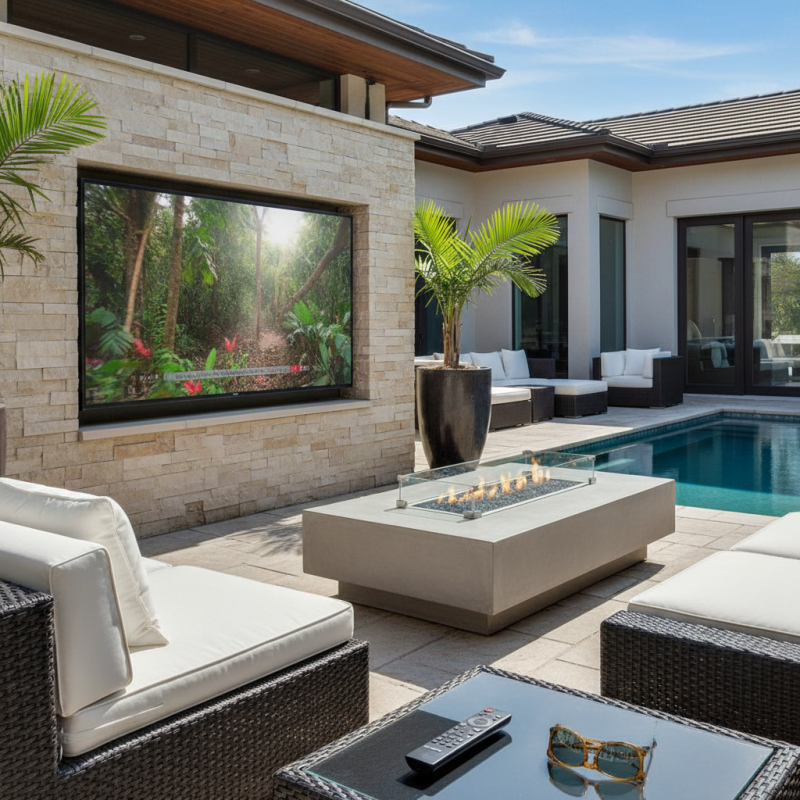
When choosing an outdoor LCD display, understanding the different types available can be vital. Outdoor LCDs often differ in brightness, durability, and technology. For instance, some displays are specifically designed for direct sunlight. They feature high brightness to ensure images remain visible even in bright light. This is crucial for advertising or informational displays in busy environments.
Another type includes weatherproof models. These displays are built to withstand harsh weather conditions, such as rain and extreme temperatures. They often have protective features like reinforced glass. This enhances their longevity and reliability. However, not all weatherproof displays perform equally. Some may struggle with temperature variations.
Consideration of installation as well is essential. Some displays are wall-mounted, while others are freestanding. Each type has its pros and cons. For example, wall-mounted displays save space, but might not be as visible from a distance. Reflect on what will best fit your specific needs. It is important to think about your long-term goals. Ultimately, every choice comes with its implications and requires careful thought.
Comparison of Different Types of Outdoor LCD Displays
This chart illustrates the brightness levels of different types of outdoor LCD displays, which is a critical factor when choosing the best display for your outdoor needs. Higher brightness levels are crucial for visibility in direct sunlight.
Key Features to Consider When Choosing an Outdoor LCD
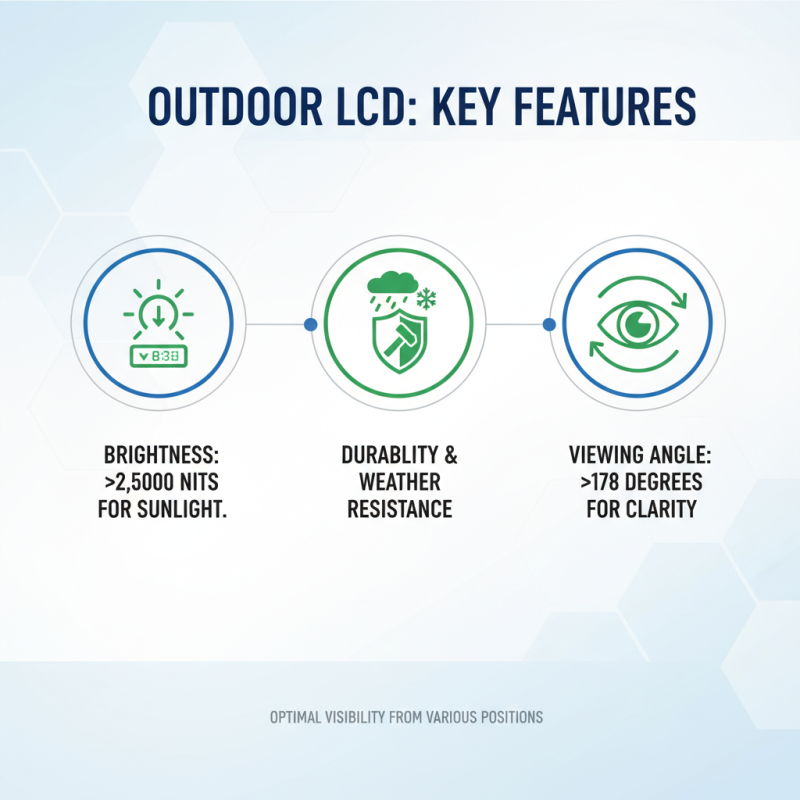
Choosing the right outdoor LCD can be daunting. You need to consider brightness, durability, and weather resistance. Industry reports indicate that screens with over 2,500 nits are optimal for bright sunlight. This level significantly enhances visibility. When viewing angles are crucial, a screen with at least 178 degrees is recommended. This ensures that the content remains clear from various positions.
The housing material also plays an essential role. Look for aluminum or tempered glass casing. Such materials provide better protection against the elements. A recent survey shows that about 70% of users prefer screens with a higher IP rating. An IP68 rating indicates complete dust and waterproofing, a must for outdoor installations. With many options available, finding the balance between features and budget can be challenging.
Energy efficiency is another consideration. Models with energy-saving modes can reduce power consumption by up to 30%. This not only saves money but also extends the lifespan of the device. Regular maintenance is essential too. Neglecting upkeep can lead to issues that may require costly repairs. Always think about long-term usability when making your choice.
Assessing Your Environmental and Space Requirements
Choosing the right outdoor LCD screen requires careful consideration of your environmental and space needs. It’s essential to evaluate where you will place the screen. Sunny areas can be tricky. They may cause glare, making screens harder to read. Shade can help but be mindful of potential moisture or dust accumulation.
When measuring your space, factor in viewing distance. Larger screens may seem appealing but can overwhelm small areas. A 32-inch screen may suffice for patio use, while an open park may require something bigger. Also, don’t forget about mounting options. Wall-mounting saves space and offers a clean look.
Tips for installation include ensuring proper airflow to prevent overheating. Consider the orientation of the screen too. Screens facing direct sunlight may need additional protection. Lastly, always consult with a professional for placement, as improper installation can lead to costly damage or short lifespan.
How to Choose the Best Outdoor LCD for Your Needs? - Assessing Your Environmental and Space Requirements
| Feature |
Description |
Importance |
| Brightness (nits) |
Measured in nits, indicates how well the display can be read in sunlight. |
High importance for outdoor visibility. |
| Weather Resistance |
The rating of the enclosure against rain, dust, and extreme temperatures. |
Critical for durability in outdoor environments. |
| Screen Size |
Physical size of the display which affects viewing distance. |
Important for visibility and presence. |
| Resolution |
The number of pixels on the screen that affects image clarity. |
High importance for detailed images. |
| Viewing Angle |
The maximum angle from which the display can be viewed without distortion. |
Crucial for group viewing scenarios. |
| Power Consumption |
The amount of power the display uses, which affects running costs. |
Important for long-term cost considerations. |
Evaluating Budget and Cost-Effectiveness
When selecting an outdoor LCD, budget is a critical factor. Prices can vary widely based on features and specifications. Reliable options typically fall within your intended budget, but they're not always the most advertised. Consider what you truly need versus what you want. This distinction can help you maintain a practical budget.
Cost-effectiveness is also essential. Analyze the long-term value of the outdoor LCD. A more expensive model might offer durability and superior features. Sometimes, cheaper models fail quickly, leading to replacement costs. Think about warranties and after-sales services as well; these can enhance your investment.
Be realistic about your outdoor space and usage scenarios. Will the location expose the unit to extreme weather? Investing a bit more for weatherproofing can pay off. Aim for a balance between initial costs and future reliability. It's easy to be drawn in by lower prices, but reflect on the potential drawbacks.
Maintaining and Troubleshooting Outdoor LCD Displays
Maintaining outdoor LCD displays involves regular checks and appropriate handling. Exposure to various environmental conditions can significantly affect their performance. Start by inspecting the screen for dirt and debris. Use a microfiber cloth to clean the display gently. Avoid harsh chemicals that can damage the screen. A simple, safe cleaning solution is often sufficient.
Troubleshooting is essential for keeping displays functional. If a screen shows flickering or ghosting, it may need recalibration. Check the cables and connections first. Loose or damaged cables can lead to many issues. If problems persist, a deep dive into the settings may reveal misconfigurations. Understanding how each adjustment affects the display can prevent future issues.
Regular software updates ensure optimal performance. Yet, updates can sometimes introduce new problems. It’s wise to back up settings before making changes. If you experience persistent issues after an update, consult the user manual. Taking time to comprehend the troubleshooting process can enhance your efficiency. Patience is key when dealing with technology.