How to Choose the Right Display Module for Your Needs?
Choosing the right display module is crucial for any project. The right decision can enhance functionality and user experience, while a poor choice may lead to frustration and inefficiency. Display modules vary widely in type, size, and technology. Understanding these differences is key.
When selecting a display module, consider factors like resolution, brightness, and interface options. Each project has unique requirements. For example, a high-resolution module may benefit applications requiring detailed visuals. Conversely, simpler displays might be adequate for basic needs.
It’s also important to evaluate whether the chosen display module meets future needs. Perhaps a project will evolve and require more advanced features. Always keep in mind potential upgrades. An informed selection can save time and costs in the long run. So, how do you make the best choice for your needs? Reflecting on these factors ensures a more effective decision.
Understanding Different Types of Display Modules Available in the Market
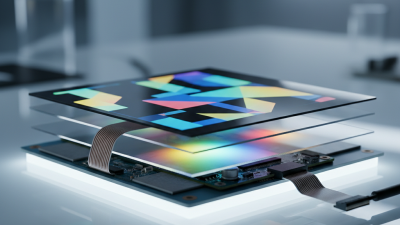
When selecting a display module, understanding the various types available is crucial. LCD and OLED are the most common types. According to industry reports, the global display module market is projected to reach $180 billion by 2026, with an expected CAGR of 5.5%. Both types have distinct advantages. LCDs are often more cost-effective, but they lag behind OLEDs in color vibrancy.
OLED displays stand out due to their superior contrast ratios and quicker response times. This makes them ideal for applications in gaming and high-definition video. However, they come at a premium cost. The choice often boils down to budget constraints versus performance needs. In many cases, users might overlook the longevity of the technology. OLEDs tend to experience burn-in, whereas LCDs are generally more durable.
Furthermore, sizes and resolutions vary greatly. Resolution can greatly impact viewing experience. Higher resolutions provide better detail but require more power and processing capability. Many users might underestimate the importance of this aspect, leading to issues in compatibility with existing hardware. Understanding these nuances is key to making an informed decision.
Key Factors to Consider for Selecting a Display Module for Your Project
Choosing the right display module for your project requires careful consideration of several key factors. One important aspect is the resolution. Higher resolution displays provide clearer images and text. For example, a report from DisplaySearch indicates that 4K displays accounted for 11% of unit shipments in 2022. This trend reflects increasing demand for higher clarity in visual projects.
Another critical factor is the interface compatibility. Selecting a display with a compatible interface saves time and resources during integration. Many displays utilize HDMI, VGA, or MIPI interfaces. Knowing your project requirements can prevent costly adjustments later. A study highlights that over 30% of project delays stem from such compatibility issues.
Additionally, brightness and contrast ratio are essential metrics. Displays with higher brightness levels can perform well in various lighting conditions. Research shows that displays with at least 300 nits of brightness are preferred in outdoor environments. Ensuring these specifications meet your needs can dramatically affect user experience and engagement. Opting for a display with a poor contrast ratio may lead to a lackluster outcome, diminishing the overall impact of your project.
Evaluating Technical Specifications and Features of Display Modules
When it comes to selecting a display module, understanding technical specifications is crucial. Factors like resolution, brightness, and color depth can significantly impact the visual quality. Higher resolution offers clearer images, but may consume more power. Keep in mind, power efficiency is vital for portable devices. A balance between performance and energy consumption is key.
Brightness is another critical specification. Depending on the environment, a display needs to be sufficiently bright to ensure visibility. For outdoor use, higher brightness levels are necessary. In low-light settings, less brightness can suffice, which may also extend battery life. Additionally, consider the color depth. A wider color range enhances the viewing experience, especially for applications involving images or videos.
User interface is another feature that should not be overlooked. Touch sensitivity can add a layer of interaction, but it may also complicate the design. Reflect on the intended use of the display. Will it be used primarily for data or for multimedia? Evaluating these aspects will guide you toward selecting a display module that meets your specific needs.
How to Choose the Right Display Module for Your Needs?
| Parameter |
Description |
Example Value |
| Display Type |
Type of display technology used |
TFT LCD |
| Resolution |
Number of pixels in width x height |
1280 x 720 |
| Size |
Diagonal measurement of the display |
7 inches |
| Brightness |
Brightness of the display in nits |
500 cd/m² |
| Viewing Angles |
Maximum angle from which the display can be viewed |
160° |
| Interface |
Type of connection used for data transfer |
SPI |
| Power Consumption |
Average power used by the display |
2 W |
Assessing Compatibility with Your Existing Hardware and Software
Choosing the right display module requires careful consideration of compatibility with your existing hardware and software. Start by determining the type of connection your current system supports. Common interfaces include HDMI, VGA, and DisplayPort. If your hardware is outdated, it may limit your options. Check if your software can effectively utilize the features of a new display module.
Assess the resolutions and refresh rates your current setup handles. Some display modules offer higher resolutions that your existing graphics card may not support. Pay attention to the physical size of the module as well. Ensure it fits in your workspace and is ergonomic for your use case. A mismatch in dimensions can disrupt your workflow.
Testing compatibility in a controlled environment can reveal unexpected issues. Sometimes, a seemingly suitable display module may not integrate smoothly because of driver problems or conflicts with other components. It’s wise to keep user reviews and community feedback in mind. They can provide insights into potential pitfalls. Remember, a display module is only as good as its compatibility with what you already have.
Balancing Cost and Performance When Choosing a Display Module
Choosing the right display module can feel overwhelming. Balancing cost and performance is crucial in this decision. Studies show that 70% of businesses prioritize performance over price. However, finding a middle ground is essential for long-term success. Performance includes resolution, brightness, and response time. If you compromise too much on cost, it may lead to customer dissatisfaction.
Market reports indicate that a 10% improvement in display performance can boost user engagement by 25%. Yet, higher-spec modules come at a cost. Many manufacturers fail to recognize the importance of assessing both current needs and future scalability. A short-term focus can increase maintenance costs down the line.
Investing in a quality display can pay off. In fact, research suggests that the right display choice can reduce energy consumption by up to 30%. This reduction translates into significant savings over time. However, remember that technology evolves rapidly. What seems perfect today might not suit future demands. Regularly reviewing your display needs is vital.
Comparison of Display Module Costs vs. Performance