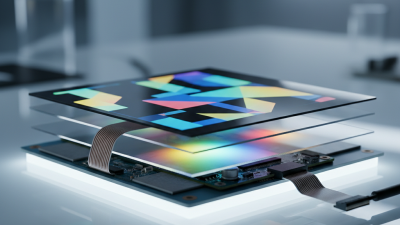
Why Choose the Right LCD Module for Your Projects?
Choosing the right LCD module can significantly impact the success of your project. Industry data from a recent report by MarketsandMarkets indicates that the global LCD module market is expected to reach $83 billion by 2025, showcasing a robust growth led by technological advancements. Experts recognize that selecting the right LCD module is crucial for optimizing performance and enhancing user experience.
John Smith, a leading expert in display technology, once stated, "The right LCD module can make or break a project." This emphasizes the importance of making informed decisions. The plethora of options available can be overwhelming. However, understanding specifications like resolution, size, and interface is essential.
Quality and reliability are paramount when selecting an LCD module. Without careful consideration, projects may suffer from compatibility issues or performance limitations. The journey to finding the ideal LCD module requires both knowledge and introspection. Each choice influences the final product. Balancing cost with quality is often a challenge.
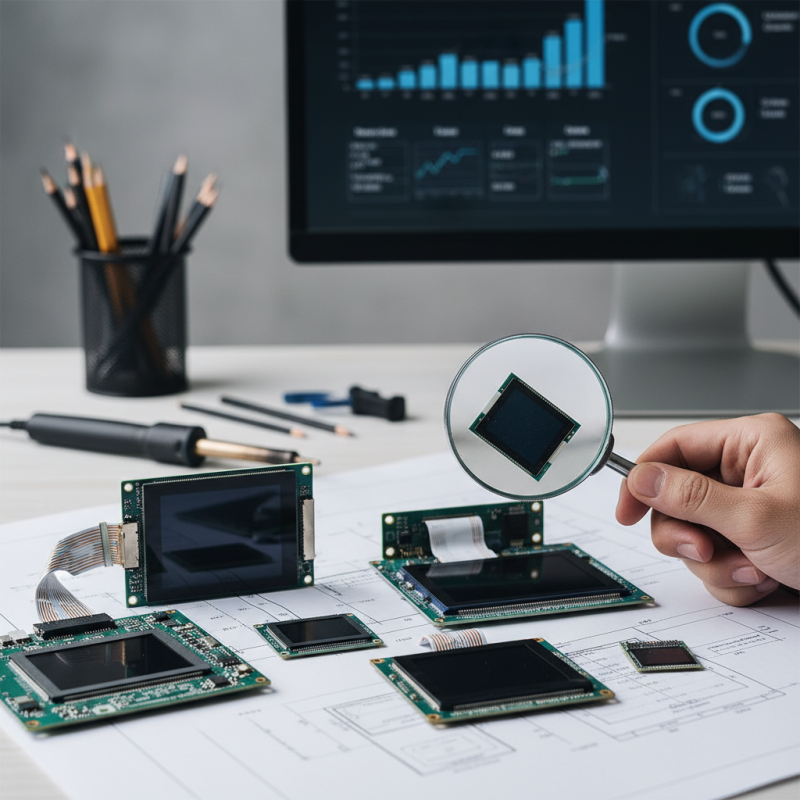
Understanding LCD Modules: Types and Applications
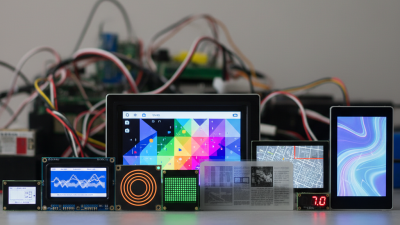
LCD modules have become essential components in various projects, from consumer electronics to industrial applications. Understanding the types and applications of these modules helps in selecting the right one for your needs. For instance, according to industry reports, the global LCD market was valued at approximately $100 billion in 2020 and is expected to grow steadily. This growth reflects the increasing demand for displays in smartphones, televisions, and automotive applications.
There are several types of LCD modules available today. Twisted nematic (TN) panels offer fast response times and are cost-effective but lack color accuracy. In contrast, in-plane switching (IPS) modules provide better color reproduction and wider viewing angles, making them suitable for multimedia applications. However, IPS panels are typically more expensive and consume more power. Understanding these differences ensures that one selects the most appropriate module for their specific application, maximizing both performance and budget efficiency.
As technology evolves, the integration of LCD modules continues to expand. New developments aim to enhance durability and versatility. Nevertheless, challenges remain. Issues such as display burn-in and limited lifespan cannot be overlooked. This necessitates thorough testing and evaluation before finalizing your choice. The right LCD module can greatly enhance user experience, but it's crucial to weigh the pros and cons carefully to make informed decisions.
Evaluating Key Specifications for LCD Modules
When selecting an LCD module for your project, key specifications make a significant difference.
Resolution is vital. A higher resolution enhances image clarity.
For instance, a module with 800x480 pixels displays finer details than one with lower resolution.
According to a recent industry report, 72% of users prioritize resolution when choosing displays.
This metric can directly influence user experience.
Contrast ratio is another essential factor.
It measures the difference between the darkest and lightest parts of an image. A contrast ratio of 1000:1 is standard in many applications.
Modules with higher contrast ratios offer better visibility in varying lighting conditions.
Research indicates that contrast ratio impacts readability by nearly 60%.
Viewing angles also require careful consideration. Limited angle can hinder usability in multi-user environments.
A typical 60-degree viewing angle may suffice for some applications. However, for teamwork-focused tasks, a 160-degree angle ensures clarity for all users.
Balancing these specifications can be challenging. It requires a clear understanding of the project’s context and intended use.
Additionally, an overemphasis on one feature may lead to neglecting others, impacting overall performance.
Analyzing user needs is essential for effective decision-making.
Benefits of Choosing the Right LCD Module for Your Project
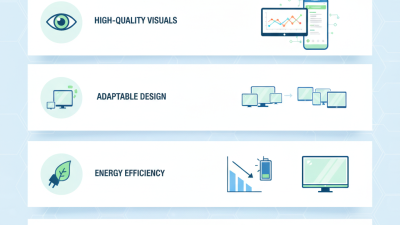
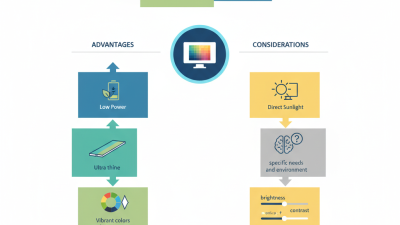
Choosing the right LCD module can significantly impact your project's success. Modern LCDs offer various benefits such as enhanced visibility, low power consumption, and compact design. According to a recent report from DisplaySearch, nearly 50% of engineers cite display quality as crucial for user satisfaction.
The right LCD module improves user experience and can also save costs. A well-chosen module reduces energy consumption by up to 30%, which aligns with environmentally-friendly practices. Reports indicate that projects using efficient displays can cut operational costs significantly over time.
However, many designers overlook compatibility with existing systems, which can lead to integration issues and additional expenses.
Selecting an LCD module isn't solely about specifications.
Engineers often face challenges when navigating features. Data suggests that nearly 70% of failed projects stem from improper display choices. While browsing options, priorities shift. Are aesthetics or functionality more vital? Finding a balance is essential but can be tricky. Potential pitfalls exist, making early research and planning critical.
Common Mistakes to Avoid When Selecting LCD Modules
Choosing the right LCD module is crucial for any project. Many enthusiasts make common mistakes during this process. One major error is overlooking the resolution of the display. A low-resolution module may lead to unclear visuals. If your project requires fine detail, this could be a costly oversight. Always double-check the pixel density specifications.
Another common pitfall is failing to consider the interface compatibility. Some LCD modules use specific communication methods. If your microcontroller does not support the chosen module, integration becomes problematic. This can lead to delays and frustrations. Assess the wiring and protocol requirements early in the selection process.
Lastly, the power consumption of the LCD module is often underestimated. High-power displays can drain batteries quickly in portable devices. It’s essential to evaluate power needs versus the desired brightness and functionality. Test with different settings to see how it affects your project. Allow time for reflection on these aspects before making a decision.
Choosing the Right LCD Module for Your Projects
Future Trends in LCD Technology and Their Impact on Selection
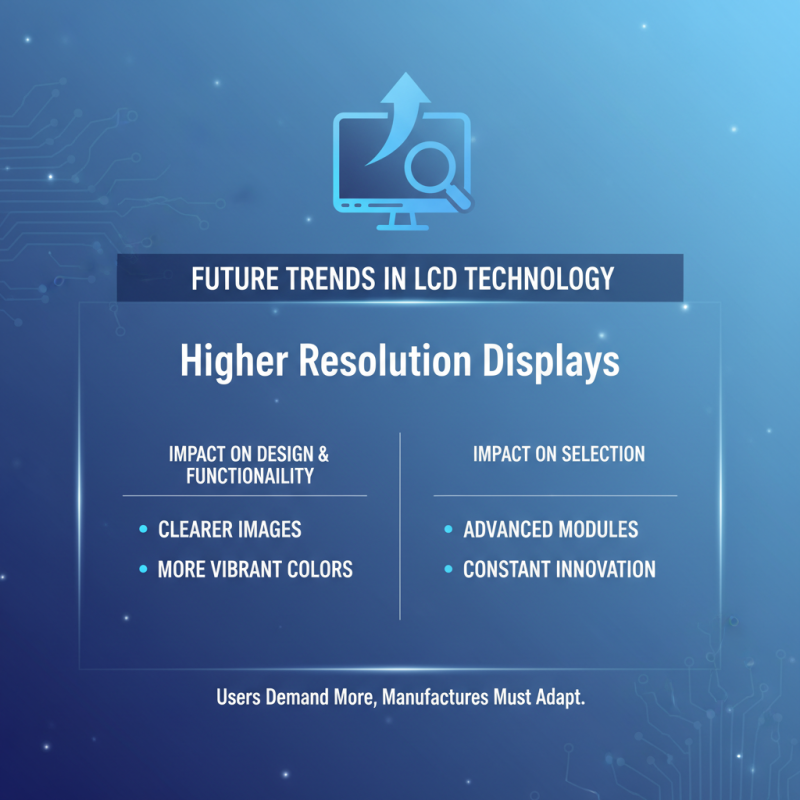
As LCD technology advances, the selection of modules must adapt. Future trends show a shift towards higher resolution displays. This change impacts how we approach design and functionality. Users now demand clearer images with vibrant colors. This places pressure on manufacturers to innovate continuously.
Another trend is the move towards energy-efficient models. With the rise of portable devices, conserving battery life is crucial. Engineers must consider power consumption when choosing LCD modules. It’s not just about performance; it is about sustainability. However, this also raises questions about performance trade-offs.
Moreover, the integration of touch capabilities is becoming standard. Consumers expect more interaction with their devices. This adds complexity to the selection process. Designers need to balance touch sensitivity with screen clarity. In this rapidly changing landscape, making the right choice can be challenging. Continuous research and feedback loops are essential for improvement.