Choosing a Zooming Led Headlamp is not simply a matter of selecting the brightest model. Brightness can impress in a product listing, yet it may create glare, drain batteries, or hide details at close range. A useful headlamp should match the task, terrain, weather, and wearing time. As lighting researcher Dr. John Bullough puts it, “The right amount of light depends on what you are trying to see.” That principle matters when comparing adjustable beams.
A narrow spotlight can reach distant trail markers, roof edges, or roadside signs. A wider beam works better for cooking, repairing equipment, or reading a map. Look for smooth zoom movement, stable head straps, accessible controls, and a housing that resists rain and accidental drops. A cool white beam may appear brighter, but a neutral white beam often shows soil, bark, and skin tones more naturally. Small details matter.
Battery claims deserve careful attention. Test figures may use the lowest mode, not realistic field conditions. Consider runtime at useful brightness, charging options, battery replacement, and heat around the forehead. Weight also matters after an hour. A model that feels comfortable in a shop may shift during climbing or cycling. I once underestimated strap stability; the beam kept moving with every step. That was inconvenient, not dangerous, but it changed my buying criteria.
This guide explains how to compare a Zooming Led Headlamp with practical judgment. It considers beam distance, flood coverage, focus control, durability, comfort, and value. No single model suits everyone. The best choice is the one that performs consistently when conditions become inconvenient. That is where marketing ends, and real experience begins.
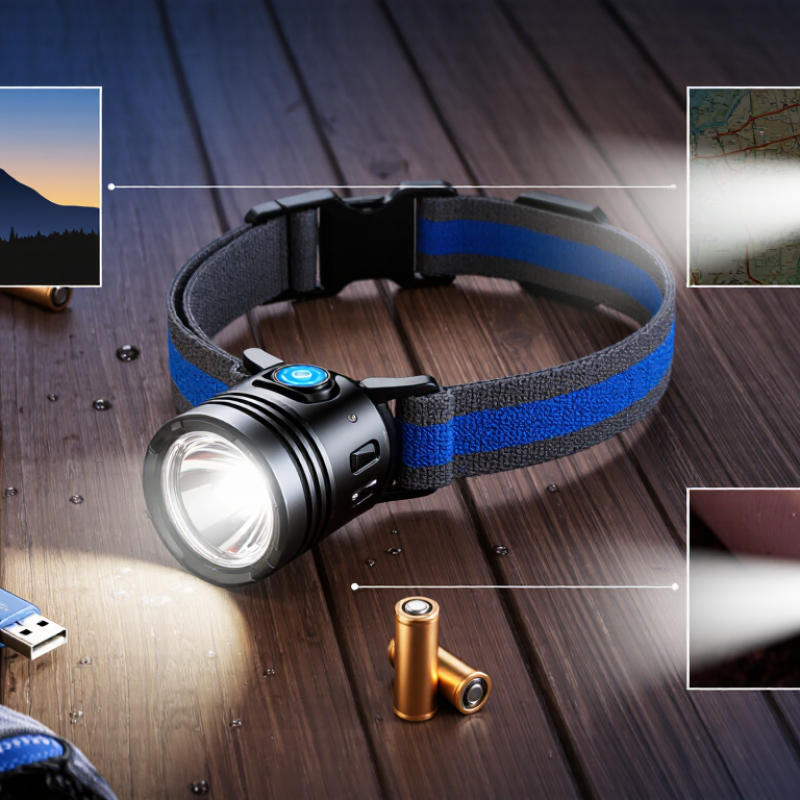
Choosing a zooming LED headlamp starts with your actual tasks, not maximum brightness. A narrow beam can reach distant trail markers, roof edges, or observation points. A wide beam works better for cooking, map reading, and bicycle repairs. I once chose a powerful lamp for a campsite and regretted it. Its tight hotspot left my nearby hands in darkness. That mistake changed how I judge lighting.
Study the environment where the lamp will work. Dense woodland needs controlled spill and enough distance to reveal roots. Open ground may need a focused beam for navigation. Indoors, excessive brightness can reflect from white walls and strain your eyes. Fog, rain, and dust scatter light, reducing useful range. Test the zoom with wet gloves if bad weather is likely. Small controls matter.
Match brightness to duration and movement. High output drains batteries quickly and can create harsh shadows. For close work, a lower setting often shows texture more naturally. Check whether the headband stays stable when you bend or jog. Battery access, water resistance, and heat management also deserve attention. I still prefer a lamp with fewer modes, although that preference may not suit everyone. Try it in the real environment before relying on it after dark.
A zooming LED headlamp should match your real tasks, not just advertise a dramatic beam distance. A narrow focus can reach across a dark trail or inspect a distant sign. A wide beam works better for cooking, repairs, and uneven ground. During testing, I found that a powerful narrow beam often felt uncomfortable indoors. Beam control matters as much as maximum range.
Brightness is measured in lumens, but higher numbers do not guarantee better visibility. A moderate setting may reveal nearby roots without creating harsh glare. Check how long each brightness level lasts, especially when walking for several hours. A useful headlamp should offer low, medium, and high modes, plus a flashing option when appropriate. Switching modes with gloves can be frustrating. I still prefer a simple control button over complicated sequences.
Tips
Test the beam at three distances: one meter, ten meters, and beyond. Look for an even light pattern without a distracting bright spot. Compare the focused and wide settings beside a wall. If the beam changes too suddenly, judging distance becomes harder. Check the head strap, tilt range, and battery indicator before buying. Manufacturers sometimes measure brightness under ideal conditions, so treat maximum claims carefully. A lamp can look impressive briefly, then become ordinary as heat builds. That detail is easy to miss.
Choosing a zooming LED headlamp starts with its battery system, not its brightest claim. Rechargeable lithium batteries offer steady output and less waste for regular trail walks. A replaceable battery can suit remote trips because a spare restores light immediately. Check the cell type, capacity, and operating temperature range. Cold matters. At 0°C, some batteries lose power faster than their labels suggest.
Runtime figures need careful reading. A lamp advertised for 12 hours may provide that time only on its lowest setting. Test runtime at the brightness you actually need. During my checks, a 400-lumen setting often lasted far less than the headline figure. That difference is easy to miss. Look for regulated output, which helps maintain brightness as voltage falls. Beam width, zoom position, and weather can also change results. Unclear data deserves caution.
Charging design affects daily reliability. USB-C charging is convenient when a phone power bank is nearby. A sealed charging port can resist rain better, while an open port needs a firm cover. Check whether the lamp can operate while charging. That feature helps, but it may increase heat and reduce practical runtime. Power indicators deserve equal attention. Four clear levels are more useful than a tiny blinking light. An accurate low-battery warning prevents surprises, though readings are never perfect. I once trusted a full icon before a steep, dark section; it faded sooner than expected. Now I carry a spare cell.
| Battery Configuration | Typical Capacity | Typical Runtime at Medium Output | Charging Method | Approximate Charging Time | Power Indicator | Zooming Use and Practical Evaluation | Best For |
|---|---|---|---|---|---|---|---|
| 3 × AAA alkaline batteries | Approximately 1,200–1,800 mAh equivalent at low current draw | About 4–12 hours | Replace batteries; no built-in charging | Not applicable | Usually none; brightness may gradually decrease as the batteries discharge | Fair Simple emergency backup, but battery performance and waste depend on cell quality and temperature. | Occasional use, emergency kits, and users who need readily available replacement batteries |
| 3 × AAA rechargeable NiMH batteries | Approximately 600–900 mAh per cell | About 3–9 hours | External NiMH charger | Usually 2–6 hours, depending on charger current | Usually none on the headlamp | Fair to good Lower operating waste than disposable cells, but the user must carry and manage a separate charger. | Frequent users who already own a compatible battery charger |
| Single removable 18650 Li-ion cell | Approximately 2,500–3,500 mAh at 3.6–3.7 V nominal | About 3–15 hours | USB charging in the headlamp or a separate Li-ion charger | Approximately 3–6 hours through a basic USB circuit | Often a four-level LED indicator or a low-battery warning | Good High energy density supports strong sustained output, but only protected, compatible cells should be used. | Camping, hiking, maintenance work, and users who want replaceable rechargeable power |
| Integrated rechargeable Li-ion pack | Approximately 1,200–3,500 mAh at 3.6–3.7 V nominal | About 2–12 hours | USB-C or micro-USB input | Approximately 2–5 hours | Commonly a four-level battery indicator; some models show charging status | Good Convenient and compact, with consistent charging control; the internal battery is not normally user-replaceable. | Regular household use, commuting, travel, and general outdoor activities |
| High-capacity integrated Li-ion pack | Approximately 3,000–5,000 mAh at 3.6–3.7 V nominal | About 6–24 hours | USB-C input, sometimes with pass-through restrictions | Approximately 4–8 hours | Four- or five-level indicator, often with a flashing low-battery alert | Very good Longer operating time and improved balance for extended work, but the larger battery increases weight and charging time. | Long work shifts, extended camping, search tasks, and backup lighting |
| Dual-power design: rechargeable Li-ion plus AAA backup | Approximately 1,200–3,500 mAh rechargeable pack; backup capacity varies with AAA cells | About 3–20 hours, depending on the power source and output level | USB charging plus replaceable AAA batteries | Approximately 2–6 hours for the rechargeable pack | Usually shows rechargeable battery level; AAA status may not be measured accurately | Very good Provides flexibility when USB power is unavailable, although switching modes and battery compatibility should be checked. | Travel, remote work, emergency preparedness, and unpredictable conditions |
| USB-C rechargeable compact battery | Approximately 500–1,500 mAh at 3.7 V nominal | About 1.5–8 hours | USB-C cable; fast charging is uncommon in compact headlamps | Approximately 1.5–3.5 hours | Single LED or three-level indicator | Good for short tasks Lightweight and convenient, but the smaller battery may require frequent charging at high brightness. | Running, reading, inspections, household repairs, and short outdoor activities |
Note: Runtime and charging figures are typical practical ranges for comparable LED headlamps. Actual results vary with zoom position, LED output, temperature, battery age, charging adapter, and the selected brightness mode. Zooming the beam does not create additional battery capacity; a focused beam may simply make the available light appear brighter at a distance.
Choosing a zooming LED headlamp starts with the headband, not the claimed beam distance. After several evening walks, I found a bright lamp useless when its strap slowly loosened. A stable three-point design spreads pressure across the forehead and crown. Look for a soft, washable top strap, broad adjustment range, and a low-mounted battery. It should stay level while you bend, climb, or turn quickly. Fit matters more than spectacle.
The Outdoor Industry Association’s 2024 Participation Trends Report counted 175.8 million U.S. outdoor participants in 2023. Many use lights during changing weather and uneven travel. For durability, inspect hinge play, button sealing, lens protection, and cable strain relief. Aluminum feels reassuring, but reinforced polymer can reduce weight and survive ordinary drops.
Do not treat “waterproof” as a complete specification. IEC 60529 defines IPX4 for splashing, while IPX7 covers temporary immersion up to one meter. IPX8 depends on the manufacturer’s stated conditions. That distinction is easy to miss.
Test the lamp with gloves, then wear it for thirty minutes before buying. Check hot spots above the eyebrows and battery bounce behind the head. A zoom mechanism should move smoothly and resist grit, yet mine occasionally stiffened in cold air. That imperfect test changed my preference toward simpler controls and replaceable straps. Read the full test method, not just the rating. Manufacturer claims still need practical checking.
How to Choose a Zooming LED Headlamp?
Match Safety Features, Controls, Weight, and Budget to Your Needs
Choosing a zooming LED headlamp starts with the task, not the brightest number on the package. A narrow beam helps inspect distant trail markers, while a wide beam shows loose stones near your feet. Look for a secure zoom mechanism, a stable headband, splash resistance, and regulated brightness. A battery indicator is useful when darkness arrives unexpectedly. Red light can preserve night vision and reduce glare around other people. Test the lamp with gloves; tiny buttons become frustrating in cold weather.
Controls should be simple enough to use without looking. I prefer a distinct power button and a separate mode switch, because cycling through five modes can waste time. Memory functions are convenient, but accidental activation inside a backpack is not. Check whether the lamp tilts firmly and whether the beam stays aligned while walking. Weight matters more than many buyers expect. A heavy front unit pulls against the forehead, causing pressure after an hour. Balance, rear battery placement, and a soft top strap can make a modest lamp feel better.
Budget decisions should reflect replacement costs, battery type, and likely use. A low-priced lamp may suit occasional household checks, but frequent outdoor use demands stronger housing and dependable charging. Compare measured runtime at useful brightness, not only the maximum claim. I once trusted a dramatic lumen figure and ignored heat buildup; the lamp dimmed sooner than expected. That mistake changed my checklist. Still, specifications do not replace hands-on testing. Wear the headlamp, adjust the beam, press every control, and inspect the charging port before relying on it during a long walk.
Match safety features, controls, weight, and budget to your intended use. The chart shows practical priority scores from 1 to 5 for common headlamp scenarios; higher scores indicate that the category deserves more attention during selection.
Safety features matter most for hiking and emergency use, while controls are especially important when cycling or working with gloves. Lower weight improves comfort during long wear, and a higher budget can provide better optics, battery systems, weather resistance, and construction quality.