Top Advantages of High Brightness LCD Displays for Outdoor Use?
High brightness LCD displays are transforming outdoor advertising and information delivery. According to Dr. Emily Grant, a leading expert in display technology, "High brightness LCD panels enhance visibility, even under direct sunlight." This statement underscores the importance of these displays in various environments.
These displays excel in bright conditions. They offer vivid colors and excellent contrast, ensuring clear visibility from different angles. One significant advantage is their energy efficiency. High brightness LCDs are designed to consume less power while outperforming traditional displays in sunlight. This efficiency can contribute positively to environmental sustainability.
However, challenges exist. High brightness LCDs can be more expensive than standard displays. Additionally, their installation requires careful consideration of placement to maximize brightness benefits. It’s essential for users to weigh these factors against the advantages. Though they are effective, their thermal management needs attention. Proper installations can mitigate potential overheating, ensuring long-term reliability.
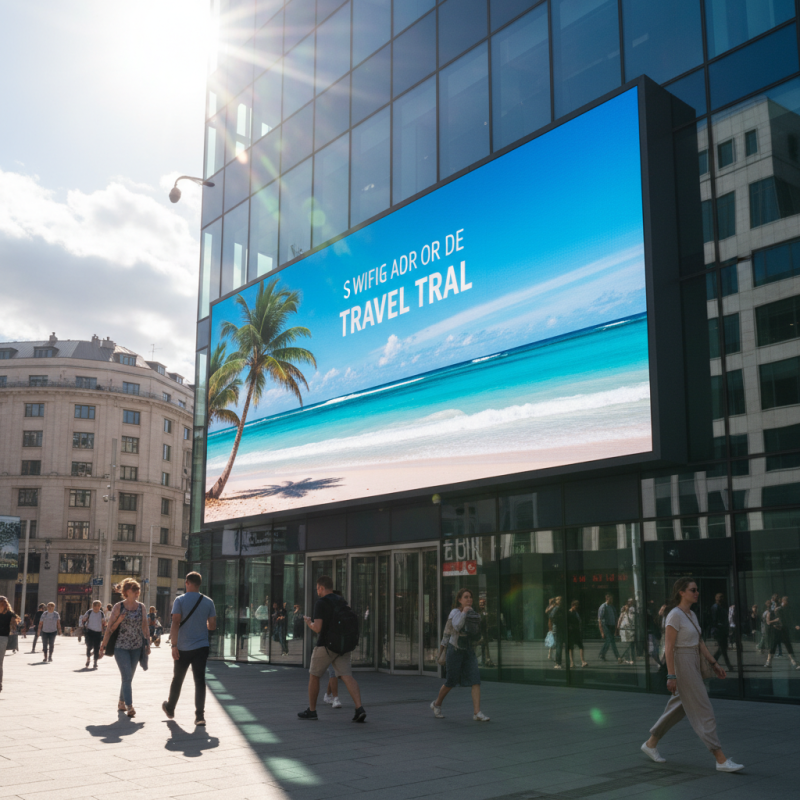
Advantages of High Brightness LCD Displays for Outdoor Environments
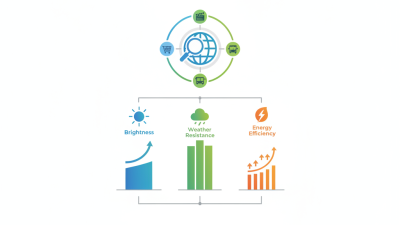
High brightness LCD displays are increasingly popular for outdoor environments. They boast superior visibility, even under direct sunlight. This makes them ideal for advertising, event displays, and public information signage. The ability to maintain clarity in bright conditions allows viewers to engage with the content more effectively.
Another key advantage is their energy efficiency. High brightness displays have advanced technology that reduces power consumption while still providing vibrant images. This is particularly beneficial in outdoor settings where prolonged use is common. However, one challenge is the heat generated by these displays. Proper heat management is essential to their longevity and performance.
These displays are also designed to be rugged and weather-resistant. They can withstand harsh conditions like rain, extreme temperatures, and dust. Despite their durability, regular maintenance is necessary. Screen damage can occur from environmental factors or wear over time. Overall, high brightness LCD displays offer compelling advantages for outdoor applications, though attention must be given to their upkeep.
Enhanced Visibility: Overcoming Sunlight Glare with High Brightness Technology
High brightness LCD displays are crucial for outdoor environments. Sunlight can cause glare, making screens difficult to read. The enhanced brightness of these displays counters this issue effectively. With brightness levels exceeding 1,000 nits, outdoor displays remain visible even in direct sunlight. This technology enhances legibility for various applications, from digital signage to information kiosks.
Incorporating anti-glare coatings further improves visibility. These coatings minimize reflections, allowing for clearer imagery. For instance, an audience can easily read advertising messages or important information without straining their eyes. The robust design of these displays also withstands harsh weather conditions, contributing to their reliability outdoors. However, even with advanced technology, some users may still experience issues with viewing angles.
Moreover, maintenance can be challenging. Exposure to the elements can affect screen performance over time. Regular cleaning and checks are essential to maintain optimal functionality. Users must also consider the implications of energy consumption. Higher brightness levels can lead to increased power usage, impacting operational costs. Balancing visibility and efficiency is a key consideration in outdoor display deployment.
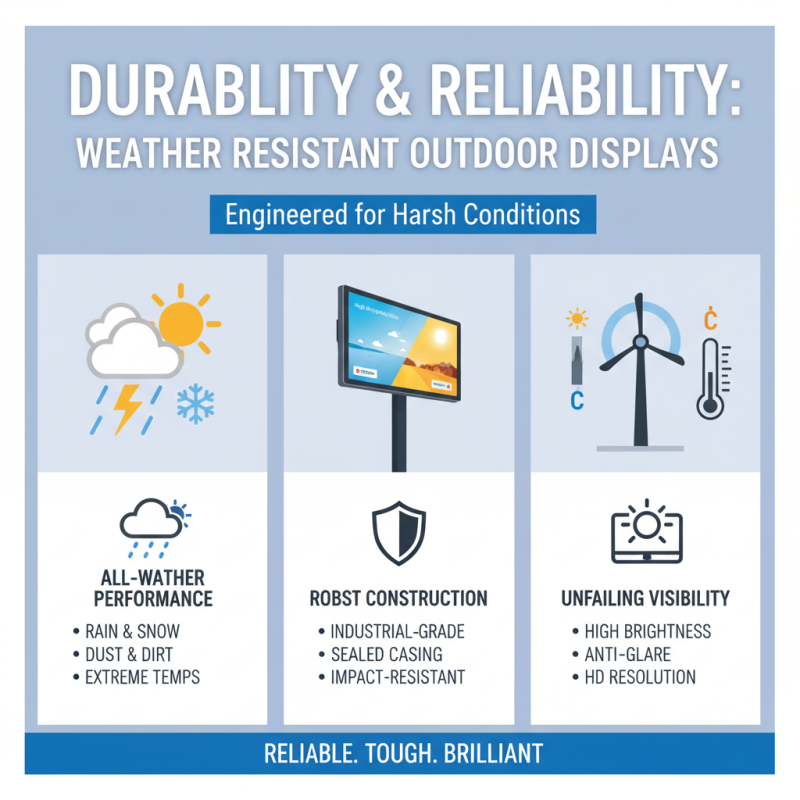
Durability and Reliability: Weather Resistance in Harsh Outdoor Conditions
High brightness LCD displays have become the go-to solution for outdoor environments. Their outstanding visibility and high-definition output make them ideal for signage and advertising. However, the most compelling aspect is their durability. Weather can be unpredictable. High brightness displays are engineered to withstand harsh conditions.
According to the latest industry reports, these displays are often rated to operate in temperatures ranging from -20°C to 60°C. They also feature an IP65 rating, indicating resistance to dust and water. This makes them ideal for environments prone to rain, snow, and extreme sunlight. However, not all high brightness displays perform equally. It’s essential to select displays designed specifically for outdoor use to ensure longevity and reliability.
Tip: Always check the temperature range and IP rating before making a purchase. Consider the specific conditions they will face in their environments. Keep in mind that even the best displays can suffer from glare in direct sunlight. Use anti-glare coatings to enhance visibility.
These robust displays may still require maintenance. Regular cleaning and software updates can prolong their lifespan. Make sure to monitor their performance periodically to avoid issues. Even a top-quality display can fail if neglected.
Energy Efficiency: How LED Backlighting Reduces Power Consumption
High brightness LCD displays are increasingly favored for outdoor use. A key feature is their energy efficiency, particularly through the use of LED backlighting. Industry reports show that LED backlit displays consume up to 40% less power than traditional LCDs. This significant reduction in energy use is crucial for businesses aiming to lower operational costs while maintaining high visibility.
Tips: Choose displays with dimming capabilities for better energy savings. Adjust brightness based on ambient light. This adaptation reduces power consumption without sacrificing visibility.
Another advantage of LED backlighting is its long lifespan, typically over 50,000 hours. This durability results in less frequent replacements and lower waste. While initial costs may be higher, the longevity of LED technology often compensates for this investment. However, users must consider the quality of components used, as cheaper options might lead to quicker failure.
Tips: Always research the material specifications of displays. Higher quality components yield better performance and energy efficiency. It's important to perform regular maintenance to extend the life of any display system.
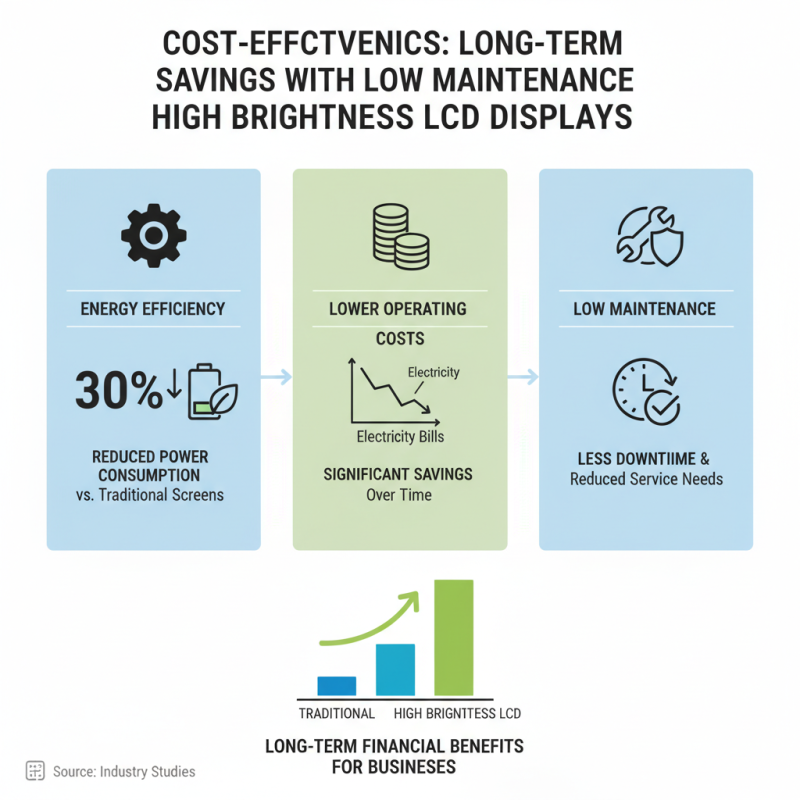
Cost-Effectiveness: Long-Term Savings with Low Maintenance Requirements
High brightness LCD displays offer significant benefits for outdoor applications, especially in terms of cost-effectiveness and low maintenance. According to industry studies, these displays can reduce energy consumption by up to 30% compared to traditional screens. This energy efficiency translates into lower electricity bills over time. For large installations, these savings add up significantly, contributing to long-term financial benefits for businesses.
Additionally, high brightness LCDs are designed for durability. Research indicates that their lifespan can exceed 50,000 hours with minimal upkeep. This longevity reduces the frequency of replacements and maintenance interventions. In environments that demand constant visibility, such as transportation hubs or outdoor advertising, less downtime translates into sustained revenue generation.
However, it’s crucial to consider installation costs and environmental factors. Sometimes, the upfront investment in high brightness technology might deter decision-makers. Proper planning and evaluation of return on investment (ROI) can help mitigate this concern. Adaptability and reliable performance in various lighting conditions are other factors worth reflecting on. Organizations should assess their specific needs before making a commitment to ensure they don’t overlook potential challenges.