What is LCD Display Outdoor and How to Choose the Best?
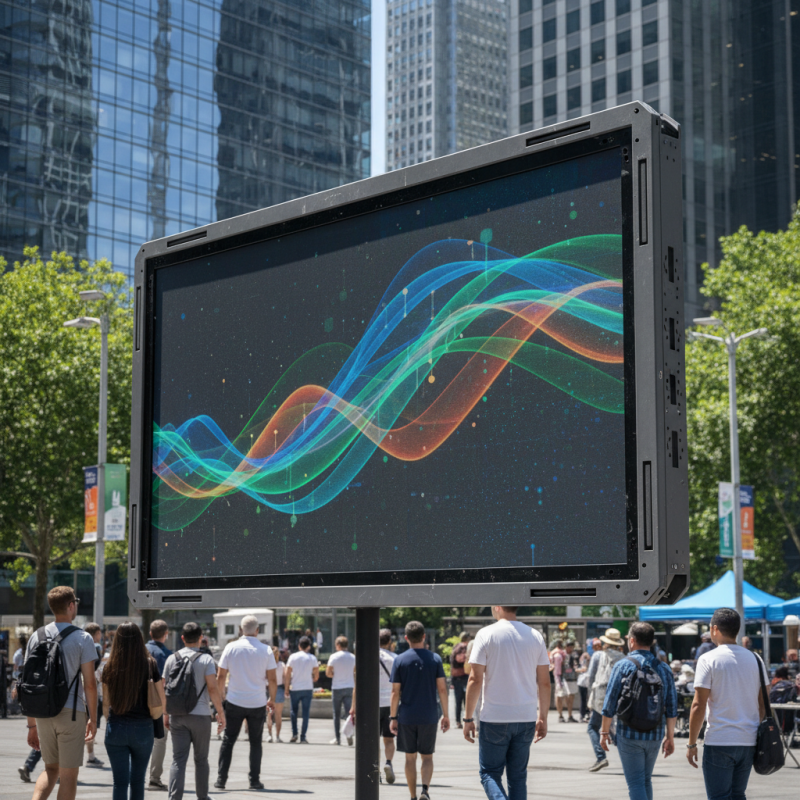
LCD display outdoor technology is transforming how we engage with information in public spaces. These displays are designed to withstand harsh weather while providing vibrant visuals and high clarity. They serve various purposes, such as advertising, event notifications, and public information displays. Knowing how to choose the best option is crucial for effective usage.
When selecting an LCD display outdoor, factors like brightness, durability, and resolution are essential. Brightness must be high enough for visibility in direct sunlight. Durability is important, as these displays face extreme conditions. Additionally, resolution influences how well images and graphics appear.
Making the right choice is challenging but necessary. With so many options available, it is easy to feel overwhelmed. It's a good idea to consult experts in the field and consider specific needs for your project. Always remember, not all displays are created equal.
What is an LCD Display Outdoor?
Outdoor LCD displays are specialized screens designed to perform well in various weather conditions. They are commonly used for advertising, information display, and public announcements. A report by Grand View Research shows that the global outdoor display market is projected to reach $12.73 billion by 2026, driven by the demand for high-resolution visuals. These displays often feature enhanced brightness levels, typically around 2,500 to 5,000 nits, making them visible even in direct sunlight.
When choosing an outdoor LCD display, consider factors such as brightness, protective features, and resolution. A panel with high brightness ensures clear visibility. Look for displays with IP ratings, indicating their ability to resist dust and water. The mounting options are also crucial. Some installations require wall mounting, while others benefit from standalone kiosks. Aim for easy maintenance, as dust accumulation can hinder performance.
Tip: Before purchasing, assess the environment where the display will be used. Areas with high foot traffic may need durable screens. Testing different models in real-world settings can reveal their performance under various lighting conditions. This hands-on approach can guide your decision better than words on a page. Understand that even top-rated options may have limitations; evaluate them against your specific needs.
Key Features of Outdoor LCD Displays
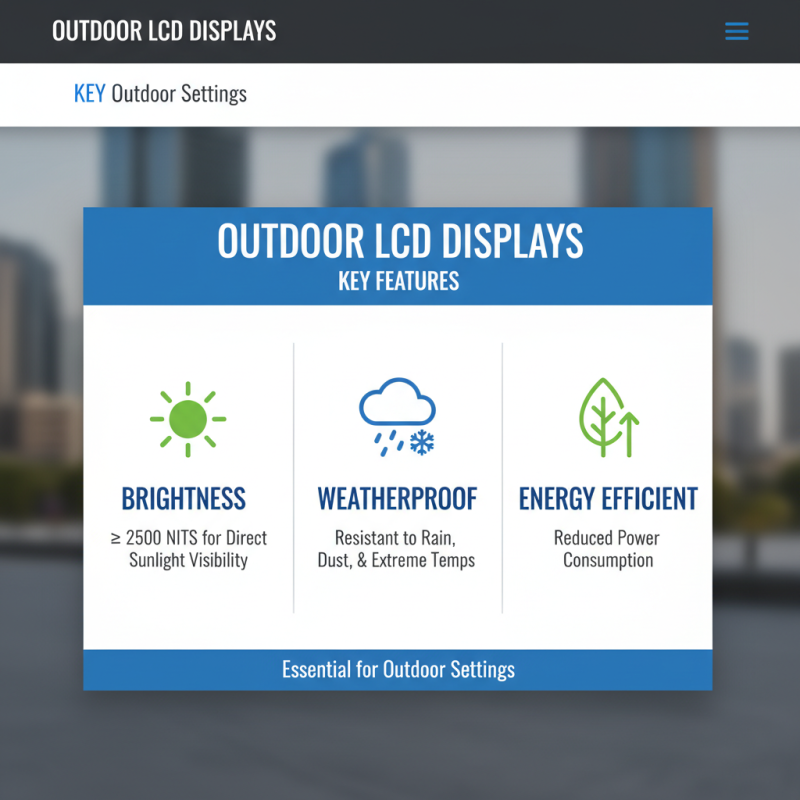
Outdoor LCD displays are essential for various outdoor settings. They provide bright visuals, even in sunlight. When choosing an outdoor LCD display, key features to consider include brightness, weatherproofing, and energy efficiency. According to industry reports, displays need a minimum brightness of 2,500 nits for optimal visibility in direct sunlight. This is crucial to ensure that your message is seen clearly.
Weatherproofing is another important feature. Displays should have a high IP rating, typically IP65 or higher, indicating they are dust-tight and water-resistant. Such ratings guarantee that the display will function properly in adverse weather conditions. Energy efficiency also plays a role in long-term costs. Displays that utilize LED backlighting consume significantly less power, making them a smart investment.
**Tip:** Always consider the installation environment. Different locations may require different features. For instance, a display in a busy urban area might need higher brightness than one in a shaded park. Reflect on your audience and location carefully to select the best option. This will save you time and resources in the future.
Factors to Consider When Choosing an Outdoor LCD Display
When selecting an outdoor LCD display, visibility is crucial. A report from the Digital Signage Federation states that 70% of outdoor displays fail to catch attention due to poor brightness. Look for displays with a brightness of at least 1000 nits for clear visibility in sunlight. Consider the location as well. High-traffic urban areas may require screens with anti-glare features to ensure messages are easy to read.
Another factor is durability. Outdoor displays are exposed to various weather conditions. The market research firm MarketsandMarkets highlights that 50% of outdoor display failures are due to extreme temperatures and moisture. Choose displays with a high IP rating for dust and water resistance. Also, check the warranty period and availability of repair services, as these can reflect reliability.
Viewing angles also matter. A study by Allied Market Research reveals that a display with a wide viewing angle can increase engagement by 40%. This is vital for areas with large crowds. Ensure the screen offers good visibility from different angles. This can prevent missed opportunities in advertising or information dissemination. It's important to evaluate all these factors to choose the best outdoor LCD display.
Benefits of Using LCD Displays in Outdoor Settings
LCD displays have become essential for outdoor settings. Their bright, vivid colors enhance visibility even in direct sunlight. This feature is crucial for locations like sports arenas or busy shopping districts. With the right brightness levels, LCD screens grab attention and convey messages effectively.
Another benefit of LCD displays is their durability. Many models are designed to withstand harsh weather conditions. They resist rain, wind, and extreme temperatures better than some alternatives. However, not all displays offer the same level of protection. It’s important to consider the specific environment before making a choice.
Maintenance is also a factor. Outdoor LCD displays require regular cleaning to maintain clarity. Dust and grime can accumulate quickly. This requires a bit of commitment from operators. Despite some challenges, the advantages often outweigh the drawbacks. Choosing the right display involves careful consideration of both environment and intended use.
Comparison of Different Outdoor LCD Display Brands and Models
When selecting an outdoor LCD display, it's crucial to consider various brands and models. Different manufacturers offer distinct features, which can significantly impact performance. Some displays focus on high brightness, essential for visibility in direct sunlight. Others may prioritize energy efficiency to reduce operational costs.
A common issue is outdoor durability. Not all models have the same weatherproof levels, which can be inconsistent. Look for displays with a high IP rating to ensure they can withstand rain and dust. Additionally, the viewing angle is vital. Some displays perform poorly from side views, limiting their effectiveness in crowded spaces.
User feedback on brightness and color accuracy should also guide your choice. Certain models may have vibrant colors but struggle with contrast. It's wise to read reviews or test displays in person when possible. Also, consider after-sales support. Some brands may not provide adequate maintenance options, leading to frustration later. Making an informed decision requires careful research and reflection on specific needs.
Comparison of Outdoor LCD Display Brightness and Resolution