What is a LED Display and How Does it Work?
LED displays have revolutionized the way we engage with visual technology. These screens are everywhere, from billboards to smartphones. They present vibrant images and videos, catching our attention instantly. But how does a LED display actually work?
At its core, an LED display uses light-emitting diodes to produce images. Each pixel consists of tiny lights that combine to create colors. This makes LED displays highly efficient and visually appealing. However, the technology is not without flaws. Brightness can vary under different conditions, and color accuracy can be an issue.
Despite these imperfections, the benefits of LED displays are undeniable. They have brought innovation to advertising, entertainment, and communication. As we explore the workings of LED displays, we uncover both their potential and limitations. Understanding these aspects can help us appreciate the technology in our daily lives.
What is a LED Display?
A LED display is a screen that uses Light Emitting Diodes to produce images and videos. These displays are vibrant and energy-efficient. They are widely used in various applications, from advertising billboards to televisions. Their ability to offer bright colors and high contrast makes them a popular choice.
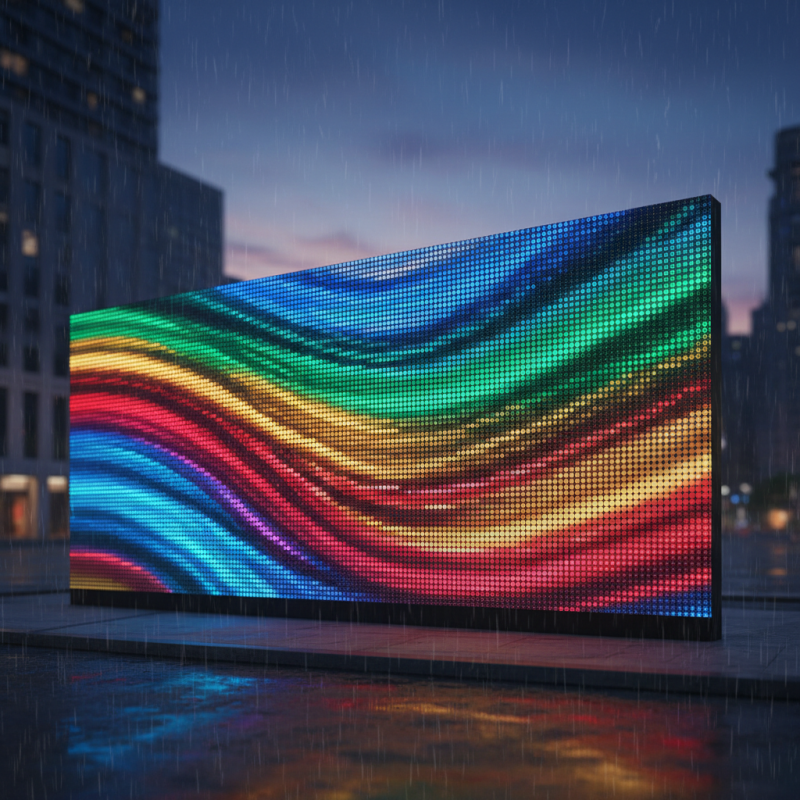
Many people may not realize how bright these displays can be. In direct sunlight, high-brightness LED screens remain visible. This attribute makes them ideal for outdoor use. The technology behind LED displays involves small diodes that light up when an electric current passes through them. These displays can be made flexible. This allows for creative shapes and designs in installations.
**Tip:** When choosing an LED display, consider the brightness level. A higher nits rating is crucial for outdoor settings.
Despite their advantages, LED displays can have drawbacks. They can sometimes produce uneven lighting. This can affect the overall image quality. Additionally, depending on usage, LEDs may dim over time. It's essential to be aware of this possibility when investing in LED technology.
**Tip:** Regular maintenance ensures optimal performance. Clean the screens frequently to maintain clarity.
Understanding how a LED display works can enhance decision-making for potential buyers. The learning curve can be steep, but it's worth exploring this technology. Be aware of your specific needs and the environment where the display will be used.
Components of a LED Display System
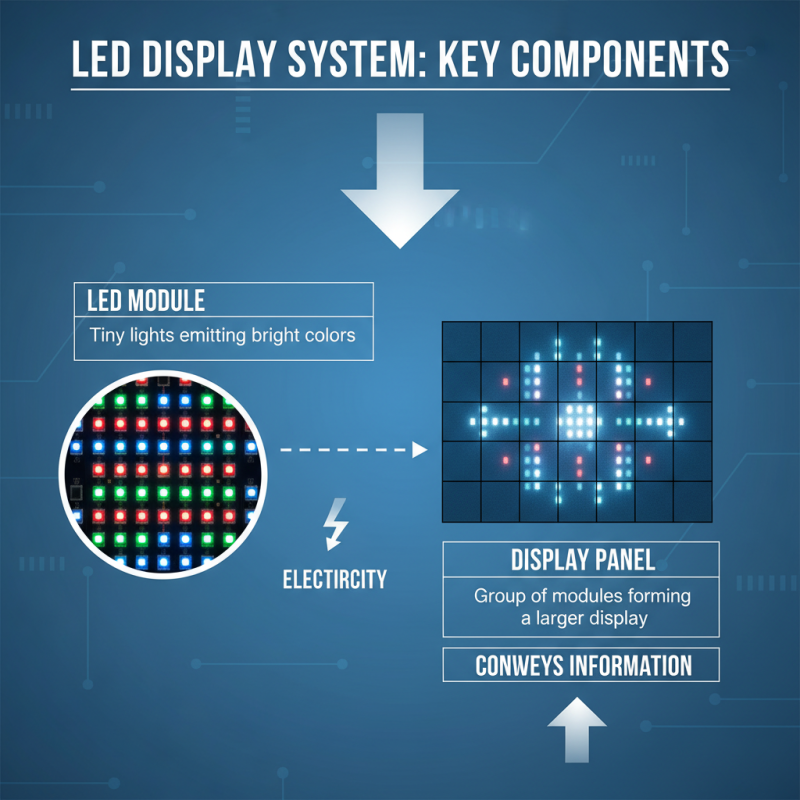
A LED display system consists of several critical components. The main part is the LED module, which contains many tiny lights. These lights emit bright colors when electricity passes through them. A group of these modules forms a larger display, ready to convey information.
Another essential component is the controller. This device manages the data sent to the LED modules. It processes images and videos, ensuring they appear clearly. Often, a power supply accompanies these components, providing the necessary energy for the entire system.
Tips: Regular maintenance helps keep LED displays functioning well. Check connections often to avoid issues. Clean the screen regularly to maintain brightness.
A driving circuit is also necessary for flexibility in operation. It controls how each LED lights up, adjusting brightness and color to create vivid images. Poor design in this component may lead to uneven lighting. Be cautious when selecting components, as quality directly impacts the display's performance.
Tips: Consider environmental factors when installing displays. Exposure to moisture or extreme temperature can damage electronics. Taking preventive measures is crucial for longevity.
How LED Displays Generate Images and Colors
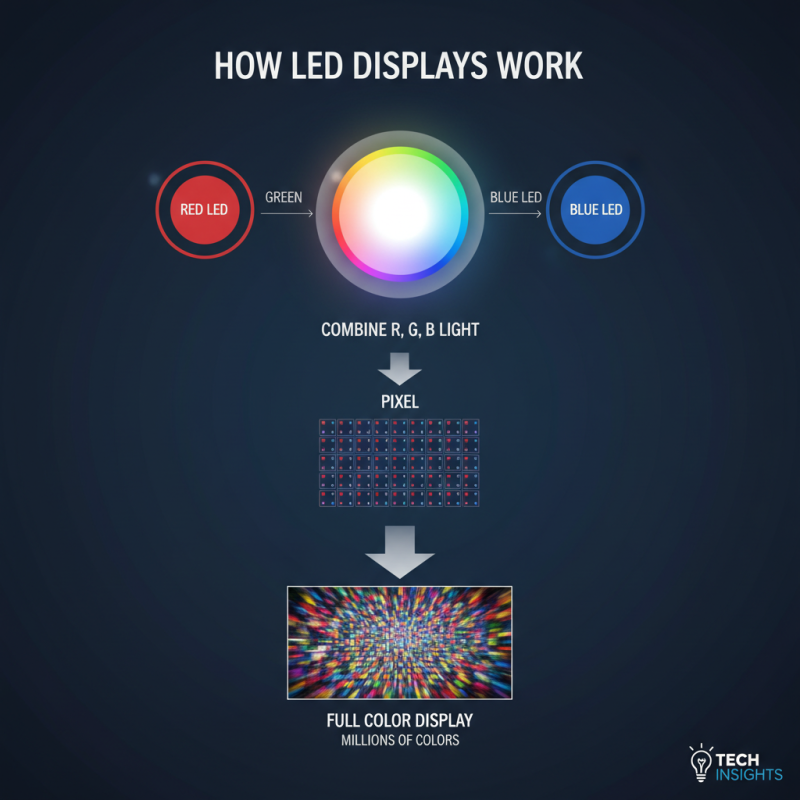
LED displays have become a staple in modern technology. Their ability to generate vibrant images and colors is fascinating. But have you ever wondered how they achieve this? At their core, LED displays use tiny light-emitting diodes (LEDs) to create visual content. Each LED produces light in specific colors: red, green, and blue. By cleverly combining these colors, they can produce a broad spectrum of hues.
The display is made up of many individual LEDs, arranged in a grid pattern. Imagine a mosaic; each tile contributes to the overall picture. When an image is displayed, electric signals activate the appropriate LEDs. This activation allows different combinations of lights, crafting a full image. Yet, understanding this process isn’t always straightforward. There can be issues like inconsistent brightness and color accuracy that disrupt the viewing experience.
The technology behind LED displays continually evolves. They are often more energy-efficient than traditional screens. However, not all displays are created equal. Some might struggle with color reproduction while others may have lower contrast ratios. This variability reminds us that LED technology is still a work in progress, aiming for perfection in color accuracy and brilliance.
Working Principles of LED Technology
LED displays are built on solid-state technology. They use light-emitting diodes to define pixels. Each pixel emits light when electricity flows through it. This simple yet effective principle is what makes LED displays vivid and bright.
LED technology works by combining red, green, and blue lights. By adjusting the intensity of each color, a full spectrum of colors appears. This mixing creates a clear and vibrant image. However, the efficiency of color mixing can be inconsistent. Sometimes colors may appear off or washed out, especially in bright conditions.
Tips for using LED displays include proper placement and calibration. Position displays away from direct sunlight. Doing so can improve visibility. Regular calibration ensures accurate color representation. This adjustment might seem tedious, but it significantly enhances the viewer's experience. Remember to evaluate your display settings periodically. Small changes can lead to noticeable improvements.
What is a LED Display and How Does it Work?
| Parameter |
Description |
| Definition |
A LED display is an electronic display that uses light-emitting diodes (LEDs) to produce images and videos. |
| Working Principle |
LEDs emit light when an electric current passes through them, illuminating the display from multiple pixels. |
| Color Range |
Can produce a wide range of colors by combining red, green, and blue LEDs (RGB). |
| Types |
Common types include monochrome, full color, and RGB LED displays. |
| Applications |
Used in outdoor advertising, billboards, television screens, and architectural lighting. |
| Advantages |
Energy-efficient, long lifespan, bright displays, and versatile design options. |
| Limitations |
Can be expensive, may require specific driving electronics, and can be affected by temperature. |
Applications and Advantages of LED Displays
LED displays are widely used in various applications due to their vibrant colors and energy efficiency. One common application is in advertising. Billboards and signage featuring LED technology capture attention effectively. These displays can be seen in busy urban areas. Bright images and animations draw in potential customers. However, some people find them distracting. The brightness can be overwhelming at times.
In addition to advertising, LED displays are widely used in sporting events. They enhance the viewing experience for fans. Large screens show live action and instant replays. This allows spectators to enjoy the game better. However, not all venues can accommodate large displays. Some arenas still use traditional methods, which may lack the visual excitement of LEDs.
Another application is in home entertainment. LED TVs offer stunning picture quality. They are thin and lightweight, making installation easy. However, the market is saturated. Choosing the right model can be challenging. Many features may confuse consumers. Despite their advantages, some may question if LEDs are worth the investment.
LED Display Applications and Advantages