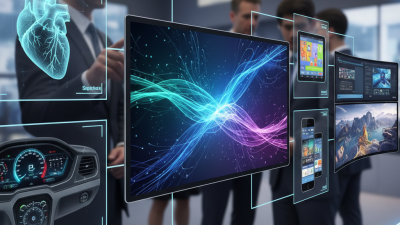
Why You Need a LED Display Controller for Your Digital Signage Projects
In the ever-evolving landscape of digital signage, the effectiveness of visual communication relies heavily on the technology behind it. One such crucial component is the LED display controller, a device that empowers users to manage and deliver dynamic content on LED screens with precision and ease. As businesses and organizations seek to capture attention and engage audiences through vibrant displays, understanding the role of an LED display controller becomes essential.
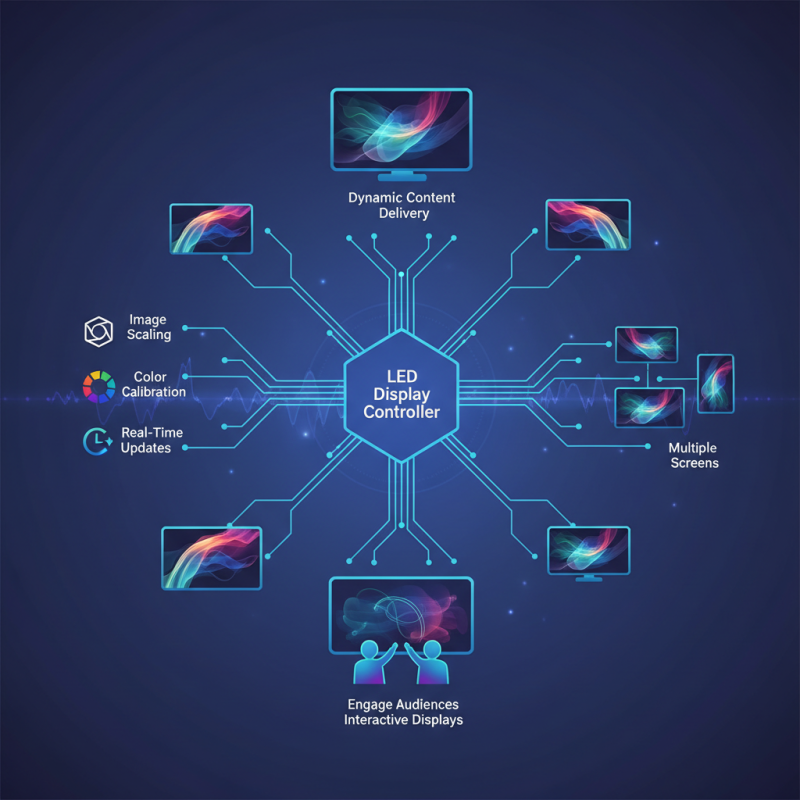
An LED display controller not only facilitates the seamless integration of various content formats but also ensures consistent quality and performance of the visual output. By handling tasks such as image scaling, color calibration, and real-time updates, these controllers act as the backbone of any digital signage project. With the ability to control multiple screens simultaneously, they provide the flexibility needed to create striking visual experiences that enhance brand messaging and communication.
Investing in a reliable LED display controller can significantly elevate the impact of your digital signage efforts. This technology not only simplifies content management but also allows for responsive and interactive displays, ensuring that your audience remains engaged. As the demand for captivating visual content continues to rise, incorporating an LED display controller into your project will undoubtedly provide a competitive edge in the realm of digital signage.
The Importance of LED Display Controllers in Digital Signage Systems
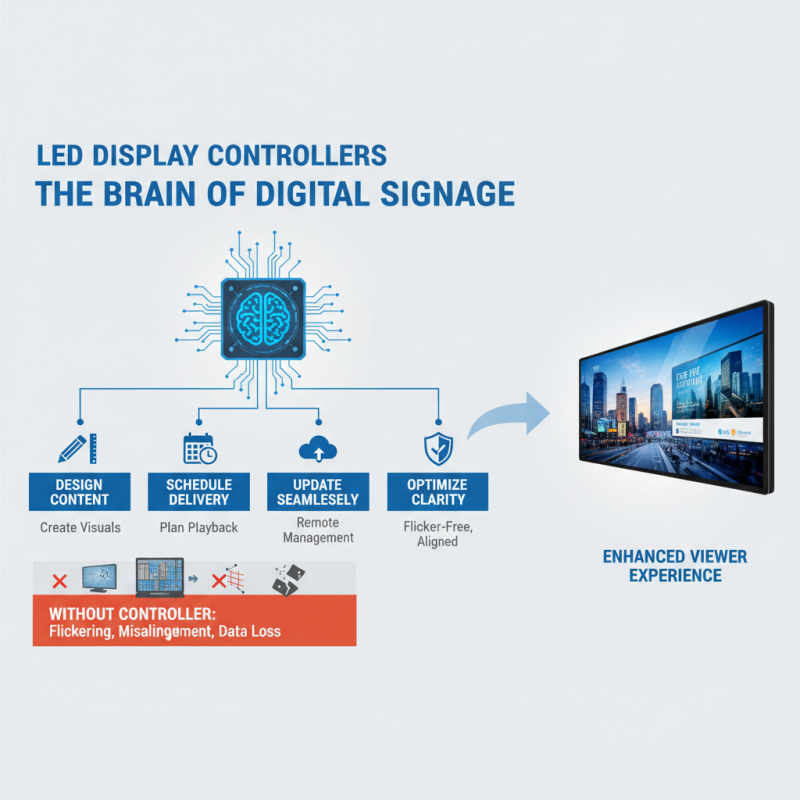
LED display controllers play a pivotal role in the effectiveness of digital signage systems, acting as the brain that manages and governs content delivery. These controllers ensure that the visual output on LED screens is optimized for clarity and engagement, providing tools to design, schedule, and update content seamlessly. Without a proper controller, digital signage displays may suffer from technical issues such as flickering, misalignment, or data loss, which can severely impact viewer experience and the message being communicated.
Moreover, the versatility offered by LED display controllers allows for integration with various content management systems, enhancing the overall functionality of digital signage. They enable real-time updates and remote monitoring, which are crucial for dynamic campaigns that require timely adjustments based on audience interactions or events. By streamlining operations and facilitating enhanced control, LED display controllers significantly improve the efficacy of digital signage projects, making them indispensable for a successful deployment in today’s fast-paced digital landscape.
Key Features and Benefits of Using LED Display Controllers
In today's digital landscape, LED display controllers are crucial for maximizing the potential of digital signage projects. One of the key benefits of using an LED display controller is the ability to manage content efficiently across multiple screens. According to a report by the Digital Signage Federation, businesses that implement cohesive digital signage solutions can increase customer engagement by up to 30%. This highlights the significance of having a reliable controller that ensures seamless communication and synchronization of content.
Another important feature of LED display controllers is their capability to enhance content quality through advanced image processing and color calibration. This means that images and videos can be displayed with greater accuracy and vibrancy, leading to a more captivating viewer experience. A study from the Interactive Advertising Bureau (IAB) found that high-quality visuals can boost information retention by nearly 65%, underscoring the power of professional-grade controllers in delivering impactful messaging.
**Tip:** When selecting an LED display controller, consider options with user-friendly interfaces and remote management capabilities to streamline operations and reduce response times.
**Tip:** Ensure that the controller you choose supports various media formats, allowing for versatile content creation to keep your audience engaged and informed.
Benefits of Using LED Display Controllers in Digital Signage Projects
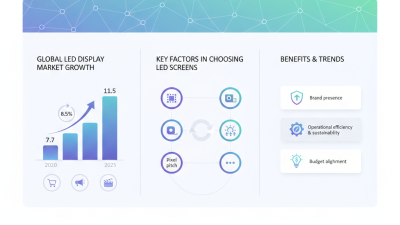
Statistics on Digital Signage Growth and LED Technology Adoption
The digital signage industry is experiencing remarkable growth, driven by advancements in LED technology. Recent statistics highlight that digital signage is expected to reach a market value of several billion dollars within the next few years as more businesses recognize the benefits of engaging visuals. The shift towards LED displays is particularly noteworthy, as they provide better brightness, color accuracy, and energy efficiency compared to traditional display options. This adoption has been fueled by the decreasing costs of LED technology, making it accessible for a wide range of applications from retail environments to corporate advertising.
As organizations increasingly deploy digital signage solutions, the need for effective management and control becomes paramount. A LED display controller plays a critical role in this regard, enabling seamless content scheduling, real-time updates, and remote monitoring. With the surge in implementation, statistics indicate that the use of LED displays in public spaces has grown significantly, with more businesses opting for this technology to capture audience attention. As companies invest in digital signage to enhance customer experience, the integration of a robust LED display controller is essential to harness the full potential of this innovative medium.
Comparison between Standalone Displays and Controlled LED Systems
When it comes to digital signage projects, one of the crucial decisions is choosing between standalone displays and controlled LED systems. Standalone displays, while simpler to deploy, lack the flexibility and scalability that controlled LED systems offer. According to a recent market analysis, controlled LED systems can enhance viewer engagement by up to 50%, thanks to their ability to deliver dynamic and visually appealing content that can be easily updated from a central location.
Controlled LED systems also present significant advantages in terms of content customization and technical management. A report by the Digital Signage Federation indicates that businesses utilizing managed signage solutions experienced a 30% increase in advertising effectiveness, primarily due to targeted messaging capabilities that standalone options simply cannot match. This increased effectiveness allows for more relevant communication with audiences, enhancing the overall impact of digital signage campaigns.
Furthermore, with the rise in multi-screen and modular configurations, controlled LED systems provide the necessary infrastructure for synchronized displays, allowing for larger-than-life presentations that capture attention and deliver immersive experiences. Research findings suggest that audiences are more likely to remember the information presented in such formats, reinforcing the growing importance of investing in LED display controllers for comprehensive digital signage solutions.
Case Studies Showcasing Successful Digital Signage Implementations
Digital signage projects have transformed the way businesses communicate with their audience, and the use of LED display controllers has played a pivotal role in this evolution. Successful implementations from various sectors provide insights into the effectiveness of this technology. For instance, one case study in a retail environment highlighted how a shopping center utilized an LED display controller to create dynamic content that attracted foot traffic and enhanced customer engagement. By allowing real-time updates, the controller enabled the mall to promote special offers and events, significantly increasing sales during peak hours.
In a corporate setting, another case study demonstrated the benefits of LED display controllers in internal communications. A large corporation deployed a series of digital signage screens across its headquarters, utilizing controllers to display important announcements and performance metrics. This implementation not only improved information dissemination but also fostered a culture of transparency and collaboration among departments. The ability to customize content for different audiences ensured that employees stayed informed and motivated, ultimately driving productivity within the organization.
These case studies illustrate that using LED display controllers in digital signage projects leads to more targeted messaging and enhanced audience interaction, proving their value across various industries.
Why You Need a LED Display Controller for Your Digital Signage Projects
| Project Type |
Location |
Screen Size (sq ft) |
Content Type |
Implementation Success |
| Retail Store |
New York, NY |
50 |
Promotional Ads |
High Engagement |
| Corporate Office |
San Francisco, CA |
75 |
Internal Communication |
Enhanced Productivity |
| Transportation Hub |
Chicago, IL |
100 |
Travel Information |
Increased Passenger Flow |
| Public Event |
Los Angeles, CA |
120 |
Live Streaming |
Positive Audience Response |
| Hospitality |
Orlando, FL |
60 |
Booking Information |
Increased Reservations |