What is a LED screen and how does it work?
LED screens have transformed the way we consume visual media. As of 2023, the global LED display market is projected to reach $31.2 billion. This growth highlights the increasing demand for LED technology in various sectors. Renowned industry expert Dr. Emily R. Johnson states, "LED screens offer unprecedented clarity and efficiency." This reflects the advantages they bring to advertising, broadcasting, and entertainment.
The inner workings of an LED screen involve intricate technology. Each screen consists of millions of tiny light-emitting diodes (LEDs). These diodes produce bright, vibrant images while consuming less power. However, despite advancements, challenges remain. Notably, issues like color accuracy and screen longevity require ongoing improvements. The standards for LED screens can sometimes fall short of user expectations, prompting the need for better innovation.
As LED screens evolve, they redefine our interaction with digital content. From huge outdoor billboards to delicate smartphone displays, they create immersive experiences. Yet, the industry faces scrutiny over harmful effects, such as potential eye strain. Finding a balance between technology and well-being will be essential as we progress.
What is a LED Screen?
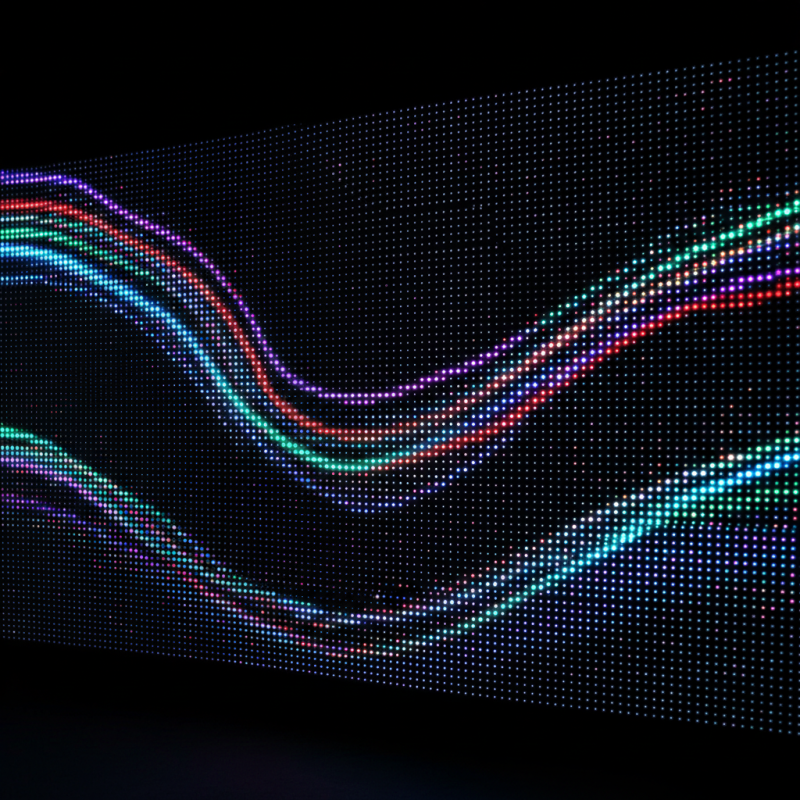
LED screens have become a staple in modern displays. They are versatile, energy-efficient, and offer vibrant colors. But what exactly is an LED screen? At its core, an LED (Light Emitting Diode) screen uses semiconductor technology to produce light. It consists of numerous tiny LEDs that emit different colors when powered. This allows for stunning visuals, making them popular for everything from televisions to large advertising billboards.
Industry reports indicate that the global LED display market is expected to grow at a rate of 10% annually. This growth is driven by advancements in technology and the need for high-quality displays. Additionally, LEDs consume significantly less power compared to traditional screens. This efficiency translates into reduced energy costs, which is appealing for both businesses and consumers alike.
Tip: When choosing an LED screen, consider the brightness and resolution. Higher brightness levels are crucial for outdoor displays. Also, invest in quality control to avoid potential issues with color accuracy over time. Small variations in brightness can affect the overall visual experience. Always assess the environment where the screen will be used; not every screen is suitable for every location.
LED technology is not without its flaws. Certain displays may face issues such as color fading or pixel dead zones. These challenges highlight the importance of selecting the right quality products. Researching and reading reviews before purchasing can save you from future troubles.
What is a LED screen and how does it work?
| Parameter |
Description |
| Technology |
LED (Light Emitting Diode) technology |
| Working Principle |
LEDs emit light when an electric current passes through them |
| Color Display |
RGB (Red, Green, Blue) combinations create full-color images |
| Applications |
Used in televisions, billboards, screens for events, and digital signage |
| Advantages |
Energy efficiency, high brightness, long lifespan, and thin form factor |
| Disadvantages |
High initial cost and limited view angle in some models |
Components of a LED Screen
A LED screen, or light-emitting diode screen, consists of several key components. The most critical part is the LED modules. These tiny bulbs emit light when electric current passes through them. Each module can have thousands of individual LEDs. According to industry reports, a single square meter of an LED display can contain over 100,000 LEDs, which provide impressive brightness and color accuracy.
Another vital component is the driver. LED screens require drivers to control the current and voltage for each LED. A high-quality driver enhances performance and lifespan. Studies show that screens with better drivers can last 30% longer than those with inferior systems. The controllers also play a role in image processing. They manage how signals are relayed to the LED modules, ensuring accurate display.
Power supply units are integral too. These units convert AC power into DC power needed for LEDs. Without a reliable power supply, the screen could suffer flickering or uneven brightness. Market analysis suggests that up to 40% of complaints about LED screens relate to power issues. It's essential to choose components wisely for optimal performance. However, many manufacturers still cut costs, leading to potential failures. Understanding each component can prevent common issues in LED displays.
How LED Screens Generate Images
LED screens are transforming visual experiences across various industries. They generate images through small, light-emitting diodes (LEDs). These diodes emit light when electricity passes through them. This process creates bright, vibrant colors that enhance screen visibility and quality.
Each LED screen comprises thousands of these diodes. They are organized into clusters called pixels. Each pixel can emit a range of colors. A combination of red, green, and blue LEDs forms the full spectrum of colors visible on the screen. According to industry reports, LED screens consume 40% less energy than traditional displays, making them a greener choice.
However, while LED technology is impressive, it has its drawbacks. Not all LED screens deliver consistent performance. Variations in color and brightness can occur due to manufacturing differences. Some users may notice a flickering effect, which can be distracting in certain settings. High-resolution displays can be costly, limiting access for smaller businesses. As this technology evolves, addressing these challenges remains crucial for improving overall quality and user satisfaction.
Types of LED Screens and Their Applications
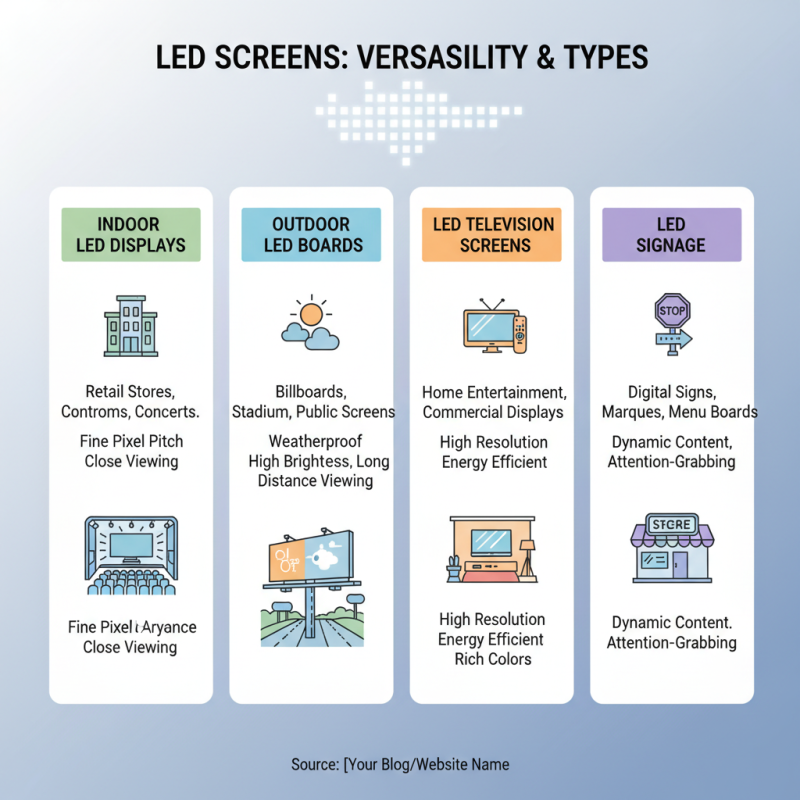
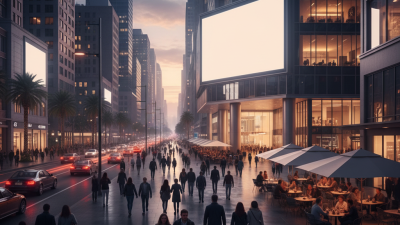
LED screens are versatile and widely used today. They fall into several types, each serving unique purposes. The main types of LED screens include indoor LED displays, outdoor LED boards, LED television screens, and LED signage.
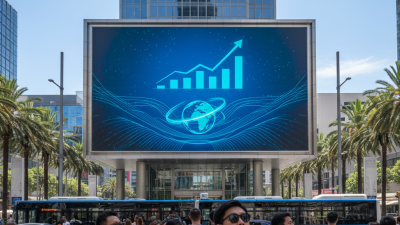
Indoor LED screens are often used in venues like theaters and concert halls. They provide vibrant colors and high-resolution images. Outdoor LED boards are built to withstand weather conditions, making them ideal for billboards and events. LED television screens offer excellent picture quality for home entertainment. These screens enhance viewing experiences with bright and clear visuals.
**Tips:** When choosing an LED screen, consider its intended use. Think about the location and lighting conditions. Outdoor screens need better brightness. Indoor screens can focus more on image quality. Remember, larger isn’t always better; the size should match your space.
Another important aspect is maintenance. LED screens can accumulate dust and grime. Regular cleaning can help sustain their performance. Over time, even LEDs can fade. If you notice colors aren't as vibrant, it may be time for a check-up.
Advantages and Disadvantages of LED Technology
LED technology has become increasingly popular in displays. The advantages of LED screens are many. They boast high brightness, vivid colors, and energy efficiency. A well-designed LED screen can deliver sharp images in various lighting conditions. This makes them great for outdoor environments. Moreover, they consume less power than traditional screens. They last longer too, which reduces replacement costs.
However, there are downsides. LED screens can be expensive upfront. Not everyone can afford them. The quality can also vary by manufacturer. Some screens may suffer from uneven color distribution. This affects the visual experience. Additionally, prolonged exposure can lead to eye strain. Users may not notice this at first, but it’s a growing concern.
Environmental impact is another issue. The disposability of LED screens contributes to electronic waste. This raises questions about sustainability. Consumers should consider these factors before buying. In the rush to upgrade, some might overlook the implications of their choices. Balancing the benefits and drawbacks is crucial for making informed decisions.