
What Is a Lithium Battery and How Does It Work?
A Lithium Battery stores electrical energy through reversible chemical reactions. In most modern products, the term refers to a lithium-ion battery. Lithium ions move between two electrodes during charging and discharging. Electrons cannot cross the internal separator, so they travel through an external circuit instead. That movement powers a phone, electric vehicle, or medical device.
Inside the cell, the anode releases lithium ions during discharge. The electrolyte carries them toward the cathode. Meanwhile, electrons create usable current through the connected device. During charging, an external power source reverses this process. It pushes lithium ions back toward the anode. Small details matter, though. Heat, charging speed, electrode materials, and battery age can change performance dramatically.
Industry data shows why this technology matters. The International Energy Agency’s Global EV Outlook 2025 reported more than 17 million electric cars sold worldwide in 2024. It also expects global electric-car sales to exceed 20 million in 2025. BloombergNEF’s 2024 Battery Price Survey placed the average lithium-ion battery pack price at 115 dollars per kilowatt-hour. Prices fell sharply, but cost is not the whole story. Safety, mineral supply, recycling, and real-world durability remain important concerns. A battery can look excellent on paper and perform poorly in a hot vehicle cabin. That is an uncomfortable limitation. Understanding the Lithium Battery requires more than memorizing its parts. It requires examining how chemistry, engineering, manufacturing, and daily use interact.
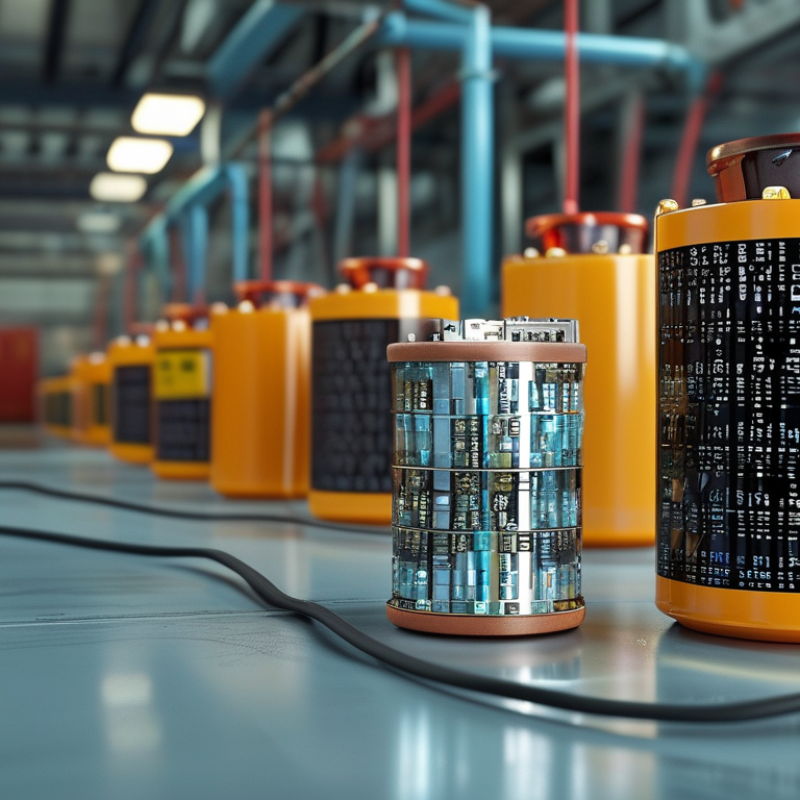
Lithium-Ion Batteries at a Glance: 3.6–3.7 V Nominal Cell Voltage
What Is a Lithium Battery and How Does It Work?
Lithium-ion batteries typically use cells with a nominal voltage of 3.6–3.7 V. This value describes the cell’s average working voltage, not its full electrical range. A charged cell often reaches about 4.2 V, while its usable voltage falls during discharge. The number is practical, but incomplete.
Inside the cell, lithium ions move between two electrodes through an electrolyte. Charging pushes the ions toward the negative electrode. Discharging sends them back and releases electrical energy. The separator helps prevent direct contact between the electrodes. That detail matters. A small internal fault can create heat and performance loss.
The 3.6–3.7 V figure usually fits several layered-oxide chemistries. Other lithium-based chemistries may use lower nominal voltages, so substituting cells without checking specifications is risky. The International Energy Agency reported that global electric-vehicle battery demand exceeded 750 GWh in 2023, increasing by about 40% from 2022. This growth shows why accurate voltage interpretation matters in larger systems. A battery pack connects multiple cells in series and parallel, changing voltage and capacity. Temperature also affects results. Cold conditions can reduce available power, while high heat accelerates aging. The simple voltage label can mislead, even in careful technical documents. IEC 61960-3 and manufacturer test procedures help define comparable measurements, but real-world performance still depends on load, temperature, age, and charging limits.
What Is a Lithium Battery and How Does It Work? - Lithium-Ion Batteries at a Glance: 3.6–3.7 V Nominal Cell Voltage
| Data Dimension | Typical Value or Description | How It Relates to Battery Operation |
|---|---|---|
| Battery Type | Rechargeable lithium-ion battery | Stores and releases electrical energy through the reversible movement of lithium ions between two electrodes. |
| Nominal Cell Voltage | Approximately 3.6–3.7 V per cell | This is the average operating voltage over much of a discharge cycle, not the maximum or minimum voltage. |
| Typical Fully Charged Voltage | About 4.2 V for many conventional cells | The exact charging limit depends on the cell chemistry and design. Charging must be controlled to prevent damage. |
| Typical Discharge Cut-Off | Approximately 2.5–3.0 V for many cells | A protection circuit or battery-management system commonly disconnects the load before the cell is excessively discharged. |
| Positive Electrode | Lithium-containing metal oxide, phosphate, or similar compound | During discharge, lithium ions leave the positive electrode and move toward the negative electrode through the electrolyte. |
| Negative Electrode | Usually graphite in conventional lithium-ion cells | During charging, lithium ions are stored between the graphite layers. Electrons reach the electrode through the external circuit. |
| Electrolyte | Lithium salt dissolved in an organic solvent | Provides a pathway for lithium ions inside the cell while blocking the direct flow of electrons through the cell interior. |
| Separator | Thin porous insulating membrane | Separates the positive and negative electrodes to reduce the risk of an internal short circuit while allowing lithium-ion movement. |
| Discharge Direction | Lithium ions: negative electrode → positive electrode | Electrons travel through the external circuit in the same overall discharge process, supplying power to the connected device. |
| Charge Direction | Lithium ions: positive electrode → negative electrode | An external charger forces the electrochemical reaction in reverse and restores energy to the cell. |
| Energy Density | Commonly about 150–250 Wh/kg at cell level | Energy density varies with chemistry, electrode design, cell format, operating conditions, and safety requirements. |
| Cycle Life | Often several hundred to more than 1,000 full cycles | A cycle is generally measured as one full equivalent charge and discharge. Actual life depends on temperature, depth of discharge, charging rate, and storage conditions. |
| Self-Discharge | Typically low, often a few percent per month | The battery gradually loses stored charge even when disconnected from a load. Temperature and cell condition affect the rate. |
| Series Connection | Voltages add together | Two cells rated at approximately 3.7 V nominal in series provide a pack voltage of approximately 7.4 V nominal. |
| Parallel Connection | Capacity and current capability increase | Parallel cells retain approximately the same voltage while increasing available ampere-hours, provided the cells are properly matched. |
| Battery Management System | Monitors voltage, current, temperature, and cell balance | Protection electronics can help prevent overcharging, excessive discharge, overcurrent, overheating, and imbalance in multi-cell packs. |
| Main Safety Risks | Overcharge, short circuit, overheating, physical damage, and thermal runaway | Proper cell design, charging control, mechanical protection, and thermal management are essential for safe operation. |
| Operating Temperature | Commonly around 0–45 °C for charging and −20–60 °C for discharge | Permitted limits vary by cell design. Charging at temperatures below freezing can cause harmful lithium plating in many cells. |
Values are representative ranges for lithium-ion cells and may vary by chemistry, construction, manufacturer specifications, and operating conditions.