2025 Top Display Module Trends That Will Transform Your Visual Experience
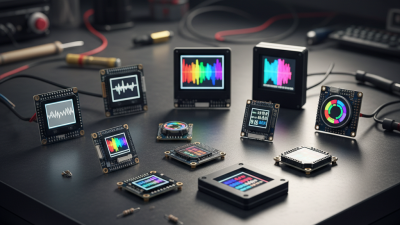
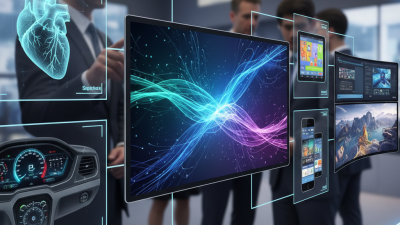
As the display module industry continues to evolve, the trends emerging in 2025 promise to redefine how we interact with visual technology. According to a recent report from MarketsandMarkets, the global display module market is expected to reach $215 billion by 2025, growing at a CAGR of 8.9%. This growth is driven by advancements in areas such as OLED technology, enhanced resolution capabilities, and the increasing demand for display modules in various applications, including automotive, healthcare, and consumer electronics.
Industry expert Dr. Emily Stanton, a leading analyst at Tech Insights, emphasizes the transformative nature of these trends: "The integration of innovative display technologies will not only improve visual fidelity but will also enhance user engagement across diverse platforms." From flexible displays to augmented reality interfaces, the upcoming advancements in display modules will not merely serve functional purposes but will significantly enrich the overall user experience.
This shift towards more sophisticated display solutions underscores the need for manufacturers to keep pace with technological innovation and consumer expectations. As we delve deeper into the top display module trends for 2025, it becomes clear that the future of visual experience is poised for remarkable improvement, driven by both creativity and technology.
Emerging Technologies Shaping Display Modules in 2025
As we look ahead to 2025, several emerging technologies are poised to reshape the landscape of display modules, enhancing our visual experiences in unprecedented ways. One major trend is the evolution of microLED technology, which offers superior brightness and deep contrast ratios, making screens more vibrant and immersive. This leap in technology opens doors for applications in various sectors, from medical imaging to entertainment, where detail and clarity are paramount.
Another noteworthy development is the integration of artificial intelligence in display systems. AI can optimize display performance by adjusting settings in real-time based on environmental factors and content type, ensuring an unmatched level of personalization and effectiveness. This technology will not only improve user interaction but also extend the lifespan of display modules by managing energy consumption more efficiently.
Tips: When selecting a display module in 2025, consider those equipped with adaptive technology that responds to your surrounding environment. Additionally, prioritize modules that leverage AI for a more tailored viewing experience. Finally, keep an eye out for advancements in sustainability, as eco-friendly technologies gain traction in display design, minimizing environmental impact while maximizing performance.
Sustainable Materials and Eco-Friendly Designs for Displays
As the display technology landscape evolves, a significant trend is the increasing focus on
sustainable materials and
eco-friendly designs. Manufacturers are recognizing the urgent need
to minimize their environmental impact, leading to innovations that prioritize the use of recyclable
and biodegradable materials. These advancements not only reduce waste but also lower the carbon
footprint associated with traditional display production methods. By incorporating
eco-conscious materials, such as organic LEDs
and bio-based plastics, the industry is paving the way for displays that are not only efficient but also
align with global sustainability goals.
Moreover, eco-friendly designs go beyond the materials used; they encompass the entire
lifecycle of the display. This includes energy-efficient
manufacturing processes, reduced energy consumption during usage, and a plan for end-of-life disposal.
Displays designed with longevity in mind can significantly reduce electronic waste, which has become a
pressing issue in our increasingly digital world. By rethinking how displays are designed, manufacturers
can contribute to a circular economy where resources are reused and
waste is minimized, transforming the visual experience while making it more sustainable.
Innovations in Display Resolution and Clarity Enhancements
The evolution of display resolution and clarity is set to redefine how we interact with visual content in the near future. One of the most significant trends shaping this transformation is the rise of ultra-high-definition (UHD) displays, which promise to deliver an unprecedented level of detail. By leveraging advanced pixel technologies and innovative upscaling methods, manufacturers are pushing the boundaries beyond standard 4K resolutions, presenting consumers with options that boast 8K and beyond. This surge in pixel density not only enhances the apparent clarity of images but also allows for more immersive experiences, making it a game changer for applications ranging from gaming to professional design.
In addition to enhanced resolution, advancements in display technologies are focusing on improving clarity through new panel innovations and the integration of adaptive contrast technologies. These developments will enable displays to render colors more accurately, reduce motion blur, and enhance visibility in various lighting conditions. Furthermore, features like high dynamic range (HDR) will become increasingly essential, allowing for a wider range of brightness and improved color fidelity. As a result, the end-user experience is set to elevate, providing users with richer, more vibrant visuals that were previously unattainable, transforming not just how we view content but also how we perceive it.
Interactive and Touchscreen Features Revolutionizing User Experience
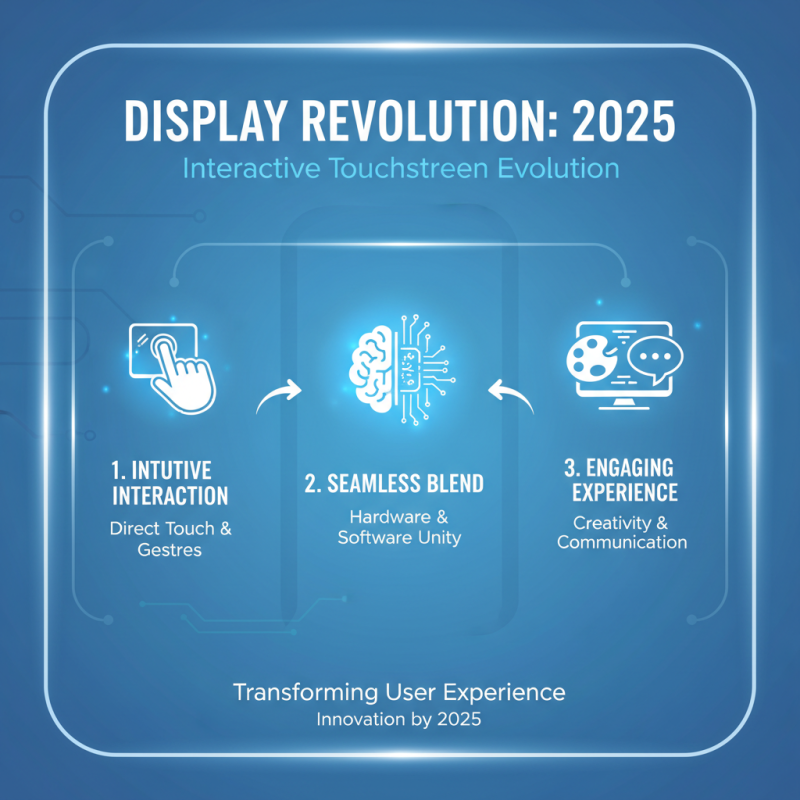
The evolution of interactive and touchscreen features is set to revolutionize the user experience in display modules by 2025. As technology advances, the integration of touch capabilities into displays allows for more intuitive interactions. Users can now manipulate visual content directly through touch gestures, leading to a seamless blend of hardware and software. This shift not only enhances the functionality of devices but also fosters a more engaging environment where users can express creativity and communicate more effectively.
Moreover, advancements in haptic feedback are playing a crucial role in transforming the tactile experience of touchscreen interactions. By providing users with a sensory response to their touch, these innovations make digital interactions feel more tangible. This added layer of engagement can enhance learning experiences, make gaming more immersive, and improve accessibility features for those with disabilities. As touchscreens become more sophisticated, their applications will expand beyond traditional devices, permeating everyday environments, including kiosks, signage, and home appliances, thus reshaping how we interact with the world around us.
Integration of Augmented Reality into Display Module Design
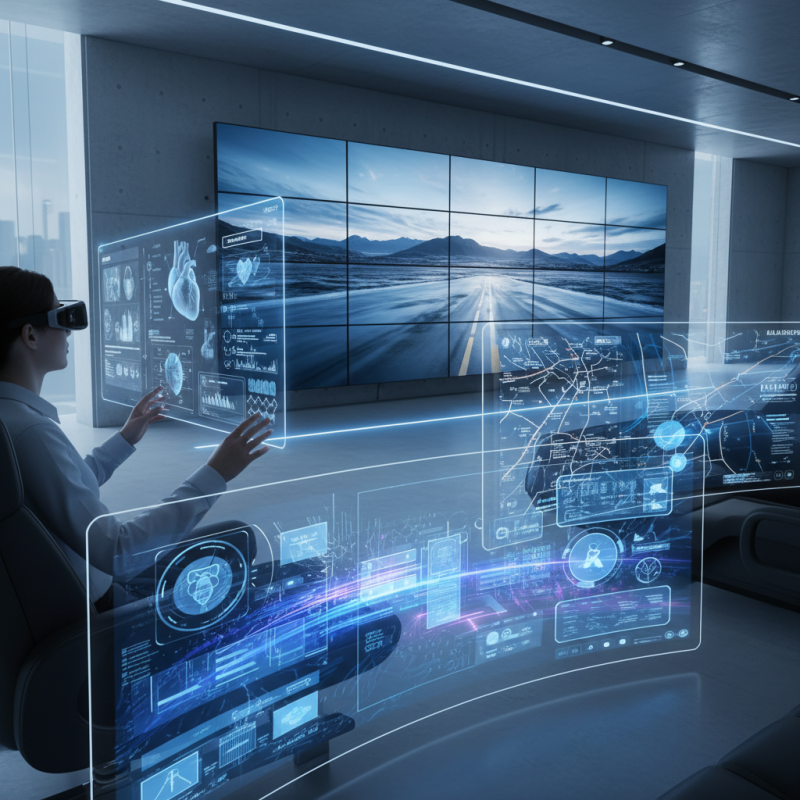
The integration of augmented reality (AR) into display module design is poised to revolutionize the way we interact with digital content. According to a report by MarketsandMarkets, the global augmented reality market is expected to grow from $30.7 billion in 2021 to $300 billion by 2024, reflecting a compound annual growth rate (CAGR) of 43.8%. This rapid expansion indicates a burgeoning demand for AR applications across various sectors, including entertainment, education, and retail, all of which create a pressing need for advanced display modules that seamlessly integrate AR technology.
To achieve this, display module designs are evolving to incorporate high-resolution screens, improved optics, and advanced sensors that enhance the visual experience by blending virtual elements with the real world. For instance, research from Grand View Research predicts that the display technology market will reach $1 trillion by 2028, driven largely by the increasing adoption of AR displays. These innovations are enabling manufacturers to produce modules that not only support immersive visual experiences but also interact with user movements and behaviors, thus providing a more intuitive and engaging user experience.
As AR technology continues to advance, the focus on user experience will intensify, pushing display module designs to adapt increasingly sophisticated features. Enhancing color accuracy, reducing latency, and optimizing power efficiency will all be critical in fulfilling the expectations of users who seek immersive experiences. Analysts suggest that by 2025, AR-enabled display modules will redefine various industries, offering unprecedented possibilities for interactive learning, virtual showrooms, and gaming, ultimately transforming our visual experience in fundamental ways.