As we approach 2026, the outdoor LCD market is evolving rapidly. Innovations in technology continue to reshape our experiences in outdoor environments. Whether for advertising or entertainment, outdoor LCD displays are becoming more vibrant and versatile.
One significant trend is the improvement in durability and weather resistance. These advancements ensure that outdoor LCD screens can function effectively under harsh conditions. Brightness levels are also increasing, making displays visible even in direct sunlight. However, some technology still falls short in energy efficiency, raising concerns for eco-conscious consumers.
Moreover, the integration of smart features is on the rise. These options allow for real-time updates and interactivity but may lead to complexities in usage and maintenance. As we explore the top outdoor LCD technologies for 2026, we must consider how they balance these exciting advancements with practicality and sustainability.
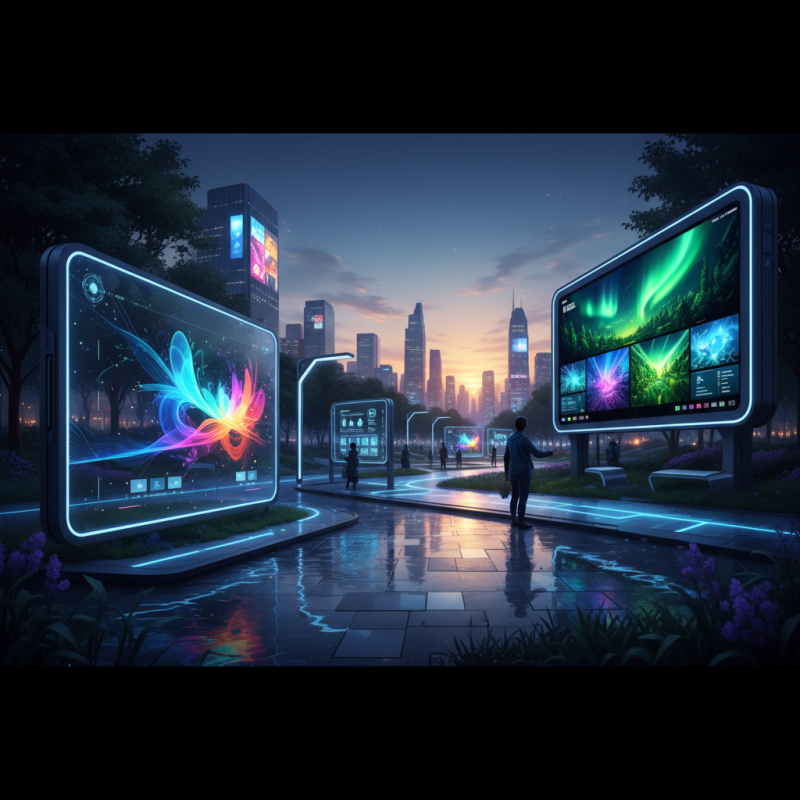
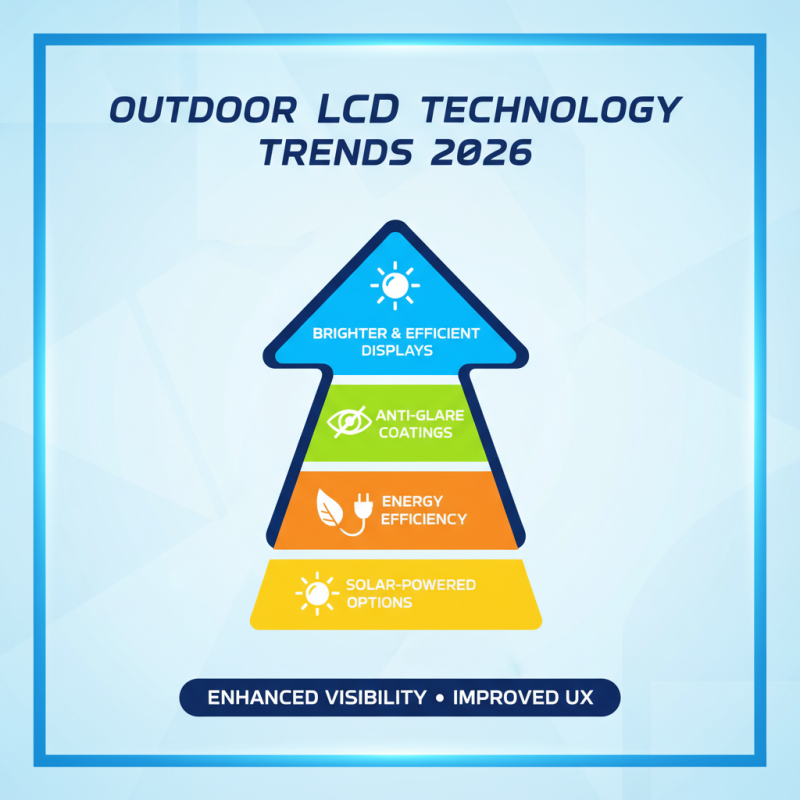
As we look ahead to 2026, outdoor LCD technologies are evolving rapidly. They are becoming brighter and more efficient. Manufacturers are focusing on enhancing visibility in direct sunlight. Advanced anti-glare coatings are now in demand. This feature could significantly improve user experience. Additionally, energy efficiency is crucial. Solar-powered options are emerging as a viable trend.
Another exciting development is flexibility. Flexible LCD screens allow for creative displays. They can be integrated into various surfaces. This opens new possibilities in outdoor advertising and signage. Yet, durability remains a challenge. Harsh weather conditions can affect performance. This requires constant innovation to ensure reliability.
Moreover, interactive features are gaining traction. Touchscreens and motion sensors are making outdoor displays more engaging. However, the cost of technology is a concern. Many businesses may hesitate to invest. Striking a balance between innovation and affordability will be vital. As the industry progresses, these challenges will need careful consideration.
The outdoor LCD market is on the rise, fueled by innovation. In 2025, the industry generated approximately $10 billion in revenue, with forecasts predicting growth to $13 billion by 2028. This growth is driven largely by advancements in display technology and increasing demand for outdoor advertising.
Key players are focusing on enhancing durability and visibility. New products are resistant to extreme weather conditions. They boast high brightness levels, making them visible even in direct sunlight. Reports indicate that over 60% of consumers prefer ads displayed in high-resolution formats. This push for high-quality visuals is not just a trend; it reflects changing consumer expectations.
Yet, challenges persist. Many companies struggle with the balance between cost and quality. Some innovations come with a hefty price tag, limiting access for smaller businesses. Additionally, outdoor LCDs must maintain functionality in various climates. Ongoing research is critical. Companies must continually adapt to different environmental conditions and consumer habits. Embracing innovation while addressing these challenges will define the evolution of the outdoor LCD market in the coming years.
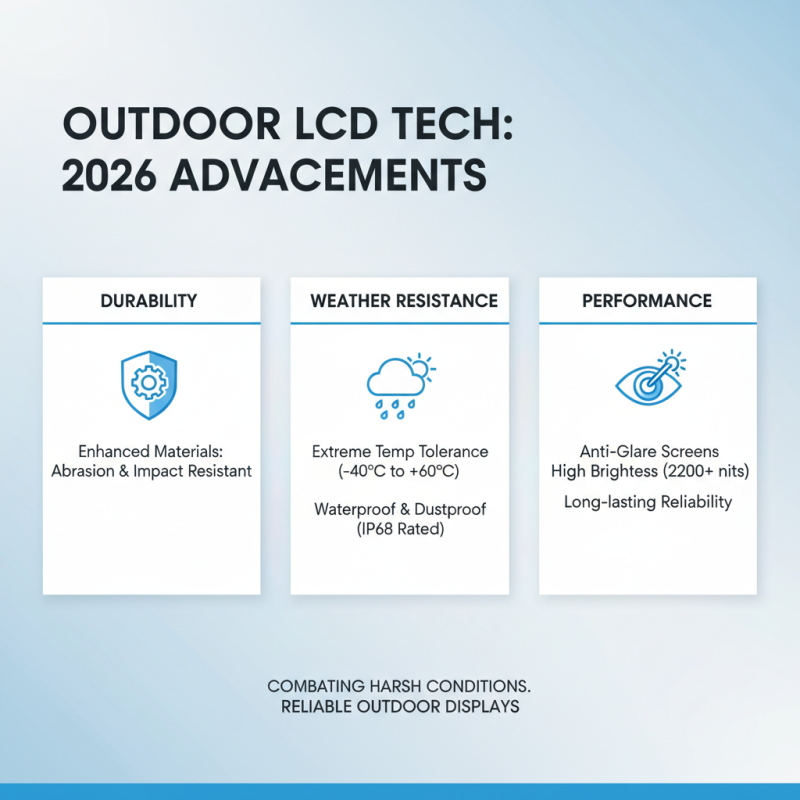
Outdoor LCD technologies are evolving rapidly. In 2026, durability and weather resistance will take center stage. These advancements aim to combat harsh conditions. The sun's glare, rain, and temperature fluctuations can severely impact display performance. Hence, manufacturers are focusing on enhanced materials.
New coatings are being designed to thwart UV damage. These coatings increase both brightness and visibility. Additionally, innovations in sealing techniques prevent moisture ingress. Displays can now withstand heavy rain without compromising functionality. Some units even perform well in freezing temperatures or extreme heat.
Outdoor LCDs may be more resilient, but challenges remain. Power consumption can still be a concern. As screens get brighter, energy needs increase. Balancing brightness and efficiency is an ongoing task. Moreover, the installation process can be tricky. Proper mounting is essential for optimal performance. Each advancement carries its hurdles, encouraging innovation and reflection in the industry.
The integration of smart technology into outdoor LCD displays is changing the landscape of digital signage. These displays are not just for showing static content anymore. They incorporate connectivity and interactivity, which enhances user engagement remarkably. Imagine walking down a bustling street and encountering a display that adapts to your interests. Tailored content could provide nearby restaurant recommendations or real-time event updates.
However, this transformation is not without challenges. Many displays struggle in direct sunlight, affecting visibility. Furthermore, the initial setup costs can be high. Smart technologies also require regular maintenance and updates. Ensuring software is current can be a headache for businesses. Outdoor environments can be harsh, which raises questions about durability and reliability.
Despite these hurdles, the potential is vast. Incorporating AI allows for analytics that drive efficiency. For instance, retailers can analyze foot traffic and adjust displays based on consumer behavior. As we move into 2026, the success of these technologies will depend on balancing innovation with practicality. Meeting user expectations while addressing operational limitations is crucial for the growth of outdoor LCD displays.
The chart above illustrates the key performance metrics expected for outdoor LCD technologies in 2026, highlighting advancements in brightness, response time, power consumption, viewing angle, and lifespan. These elements are critical as smart technology integration continues to enhance display capabilities.
Outdoor LCD technologies are set to transform public spaces. As we prepare for 2026, the potential for these displays is immense. They can enhance advertising, provide real-time information, and create engaging environments. However, challenges remain.
Weather resistance is crucial. Outdoor environments can be harsh, with moisture, dust, and extreme temperatures. Ensuring durability without sacrificing display quality is essential. Moreover, energy consumption is a concern. Efficient power use should be prioritized to reduce operational costs.
User engagement poses another challenge. Displays must capture attention quickly. Content needs to be dynamic and relevant. Yet, too much information can overwhelm viewers. Finding the right balance is a creative task that demands ongoing reflection and adjustment. This evolving landscape requires constant innovation and a willingness to adapt.
| Technology | Key Features | Applications | Challenges |
|---|---|---|---|
| High Brightness LCD | >3000 nits, anti-glare technology | Outdoor advertising, public information displays | Sunlight readability, energy consumption |
| Flexible LCD Displays | Thin, lightweight, bendable structures | Installations on unconventional surfaces | Durability, production costs |
| Solar-Powered LCDs | Integrated solar panels for energy efficiency | Remote locations, outdoor kiosks | Weather resistance, cost of solar tech |
| Ultra HD Outdoor LCD | 4K resolution, enhanced color accuracy | High-end advertising, sporting events | Higher power requirements, heat management |
| Smart Outdoor Displays | IoT integration, interactive capabilities | Retail, public transport info systems | Cybersecurity, maintenance complexity |