China has become a major manufacturing center for outdoor LED display systems. Its suppliers serve stadiums, shopping streets, transport hubs, and large commercial facades. However, choosing a supplier requires more than comparing pixel pitch or factory photographs.
Market forecasts show strong demand. MarketsandMarkets estimates that the global LED display market will grow from about USD 7.5 billion in 2022 to USD 13.8 billion by 2027. Mordor Intelligence also reports continued expansion in outdoor LED display applications, driven by advertising, sports, retail, and public information projects. These figures are useful, but they do not reveal every supplier’s manufacturing discipline.
Product quality is visible in small details. Check cabinet sealing, cable protection, brightness control, service access, and spare-part availability. A bright screen can still fail under rain, heat, dust, or unstable power. Experience matters.
David Haynes, a respected digital signage analyst, has stated, “Digital signage is not a technology; it is a communications medium.” That perspective is important when evaluating Chinese outdoor LED display suppliers. The display must communicate clearly, not merely produce high brightness.
This article examines leading Chinese suppliers through practical criteria. These include production capability, certification, control systems, installation support, warranty terms, and export experience. Some rankings remain subjective. Public information can also be incomplete. Therefore, buyers should verify factory records, request project references, and test sample modules before signing contracts. The cheapest offer may become expensive after installation. Reliability should be measured in years, not during one showroom demonstration.

Outdoor LED displays are large digital screens built from light-emitting diode modules. They operate on building facades, roadside structures, stadiums, and public squares. Unlike indoor panels, outdoor systems need high brightness, sealed cabinets, drainage, and protection against dust, rain, and temperature changes. In practice, technicians also inspect ventilation, cable routes, and viewing distance before installation. A screen may look impressive, yet poor calibration can make text unreadable in sunlight.
Their importance comes from visibility and speed. They can update transport notices, emergency information, event schedules, and commercial messages within seconds. Research and Markets estimates that the global LED display market could grow from about USD 7.5 billion in 2023 to USD 11.1 billion by 2028, representing roughly an 8% compound annual growth rate. Outdoor applications contribute to this demand because cities and venues increasingly need flexible visual communication. However, larger is not always better. Pixel pitch, brightness control, maintenance access, and local viewing distance often matter more than cabinet size.
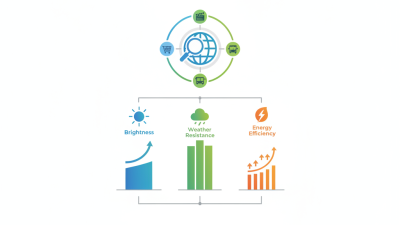
Energy use deserves closer attention. The International Energy Agency notes that efficient LED lighting can substantially reduce electricity consumption compared with older lighting technologies, but complete display systems still consume power continuously. A bright screen can waste energy. Suppliers should therefore disclose power ratings, refresh performance, weather resistance, warranty terms, and spare-part availability. The imperfect part is measurement: published efficiency figures may use different test conditions. Buyers need independent verification, not attractive specifications alone.
What Makes China a Leading Outdoor LED Display Manufacturing Hub?
China has become a leading outdoor LED display manufacturing hub through a dense, connected supply chain. LED chips, cabinet frames, power systems, control cards, and protective coatings are often sourced within one industrial region. This proximity shortens production cycles and simplifies technical adjustments. Skilled engineers can quickly modify pixel pitch, cabinet size, brightness, and weather resistance. That flexibility helps suppliers serve stadiums, retail streets, transport areas, and large public events.
Manufacturing scale also supports competitive pricing and steady research investment. Many factories test displays for brightness, color consistency, waterproofing, heat, and vibration before shipment. Reliable suppliers provide factory inspection records, electrical test data, and clear maintenance instructions. Yet quality is not uniform. A low quotation may hide weaker diodes, limited testing, or poor after-sales support. That is where buyers must think carefully. Installation conditions matter too, especially strong sunlight, coastal salt, dust, and wide temperature changes.
Tips: Ask for sample testing, not only photographs. Check independent certifications and protection ratings. Request a written warranty with response times. Visit the production line when possible. Small details reveal a lot. A careful buyer should also confirm spare-part availability and software compatibility before signing.
China’s top outdoor LED display suppliers are usually judged by performance, not attractive catalogs. Reliable manufacturers provide clear specifications, production records, and practical installation advice. They explain brightness, pixel pitch, cabinet weight, and viewing distance without hiding technical limits.
A strong supplier should offer weather-resistant cabinets with suitable IP ratings, sealed cable entries, and corrosion protection. Ask for evidence from aging tests, waterproof checks, and temperature testing. Outdoor screens face dust, rain, strong sunlight, and sudden thermal changes. Brightness must remain readable at noon, but excessive brightness can waste energy and shorten component life.
Factory experience matters. Visit the production site when possible. Check soldering quality, module alignment, spare-part storage, and quality-control records. A dependable supplier also supports calibration, remote diagnosis, replacement modules, and clear warranty terms. Response time matters during a public event.
Do not trust every claim.
Some suppliers present impressive samples but provide weak after-sales support. Others deliver excellent hardware yet underestimate installation challenges. I have seen projects suffer because wind load calculations were treated as an afterthought. Ask for structural drawings, maintenance access plans, and realistic delivery schedules. Comparing several Chinese suppliers through documented tests, references, and transparent communication usually reveals the strongest long-term choice. Mistakes still happen, so leave room for inspection and corrective work.
Chinese outdoor LED display suppliers vary widely in quality, technology, and service. Reliable manufacturers usually provide clear brightness data, weatherproof ratings, and measured energy consumption. Their cabinets should resist rain, dust, heat, and repeated temperature changes. In coastal areas, corrosion protection matters more than attractive showroom images. Field experience shows that stable performance often depends on cabinet sealing and power design.
Technology is another important difference. Strong suppliers support fine-pitch options, remote monitoring, front or rear maintenance, and calibrated color performance. They should explain refresh rate, viewing distance, and control-system compatibility in practical terms. Some specifications look impressive on paper but feel less convincing after months outdoors. Ask for test videos, sample modules, and installation references from similar climates. Do not rely on one factory visit.
Service separates capable suppliers from merely affordable ones. A dependable team responds with drawings, packing details, spare-parts guidance, and clear warranty conditions. Technical support should continue after delivery, especially during installation and software setup. Communication can still be uneven when project details change quickly. Written inspection standards reduce this risk. Buyers should also confirm lead times, replacement procedures, and who pays for on-site troubleshooting. No supplier is perfect. Even experienced teams may overlook cable routing or ventilation during a rushed project.
Choosing the right outdoor LED display supplier requires more than comparing catalog prices. Start with the viewing distance, screen size, pixel pitch, brightness, and local weather conditions. A roadside billboard may need different specifications from a stadium screen. Ask for measured brightness data, not only marketing claims.
Reliable suppliers should provide product samples, test reports, installation drawings, and clear warranty terms. Check the cabinet’s waterproof rating, heat management, power protection, and refresh performance. Request photos of similar projects and contact two or three previous buyers. Their feedback may reveal slow repairs or unstable software. Small details matter.
A factory visit can expose assembly quality, spare-part storage, and testing procedures. Ask how quickly failed modules can be replaced. Confirm whether remote diagnostics and onsite support are available in your region. Review the total cost, including shipping, structure, installation, maintenance, and electricity. A low quote can look attractive. It can also hide weak components.
Buyers should also examine the supplier’s communication habits. Do engineers answer technical questions clearly? Are drawings revised after feedback? Vague replies often become expensive delays. No evaluation is perfect. Weather, site access, and permits can still change the project. A careful supplier will discuss these risks openly instead of promising flawless results. Choose evidence over polished promises.
| Evaluation Dimension | What Buyers Should Compare | Evidence to Request | What a Strong Supplier Should Demonstrate |
|---|---|---|---|
| Outdoor product suitability | Confirm that the proposed display is designed for the installation environment, including exposure to rain, dust, sunlight, temperature changes, and wind. | Product specifications, installation requirements, and environmental test documentation for the exact proposed model. | Clear limits and operating conditions, rather than a general claim that a product is “weatherproof.” |
| Ingress protection | Check the stated IP rating and whether it applies to the front, rear, or both sides of the display. IP ratings are defined by IEC 60529. | Test documentation identifying the tested configuration and the applicable IP rating. | Accurate explanation of the rating. For example, IP65 indicates dust-tight protection and protection against water jets; it does not mean the display is suitable for submersion. |
| Brightness and visibility | Assess readability in the actual viewing conditions, including direct sunlight, viewing distance, viewing angle, and night-time operation. | Brightness specifications, viewing-angle data, and a demonstration or sample tested at appropriate operating settings. | Recommendations based on the site and planned content, plus options for brightness control where needed. |
| Pixel pitch and viewing distance | Compare pixel pitch with the audience’s typical viewing distance, content type, and required image detail. | Pixel-pitch specifications and a viewing-distance recommendation for the proposed application. | A reasoned pitch recommendation instead of simply proposing the finest or least expensive option. |
| Thermal management | Review how the cabinet manages heat under the expected ambient temperature and operating schedule. | Thermal design details, operating-temperature limits, and maintenance instructions. | A documented cooling approach and clear guidance on ventilation, installation clearance, and upkeep. |
| Cabinet and structural design | Check cabinet materials, dimensions, weight, mounting method, access for maintenance, and suitability for the installation structure. | Dimensioned drawings, cabinet weight, mounting details, and project-specific structural information. | Design information that allows the buyer and qualified local professionals to assess the mounting structure and site requirements. |
| Electrical and control system | Verify power requirements, signal connections, control software, remote monitoring options, and compatibility with the planned content workflow. | Electrical specifications, system architecture, software documentation, and a pre-shipment operating demonstration. | Documented requirements and a practical explanation of setup, operation, and troubleshooting. |
| Quality control and testing | Ask how modules, cabinets, power supplies, and control components are inspected and tested before shipment. | Written inspection procedures, test records, and a final inspection plan for the order. | Traceable checks and acceptance criteria agreed upon before production, rather than relying only on verbal assurances. |
| Warranty and spare parts | Compare warranty coverage, exclusions, claim procedures, replacement-part availability, and responsibility for shipping or labor. | A written warranty, spare-parts list, and documented after-sales process. | Specific, written terms that identify covered components, response procedures, and how replacement parts are supplied. |
| Certifications and market compliance | Identify the regulations and approvals applicable in the destination market and to the specific installation. | Relevant certificates or test reports for the proposed product, with model details that match the quotation. | Documents that can be checked and are appropriate to the destination market; a certificate for a different model may not establish compliance. |
| Project and installation support | Clarify responsibility for drawings, commissioning, operator training, troubleshooting, and coordination with local installers. | Project schedule, scope-of-work document, installation guidance, and named support channels. | Clearly defined responsibilities before purchase, especially when installation is handled by a separate contractor. |
| Total cost of ownership | Compare the complete project cost, including display hardware, control system, freight, installation, spare parts, and expected maintenance. | An itemized quotation with stated assumptions, exclusions, payment terms, and delivery terms. | Transparent pricing that makes competing proposals comparable and identifies costs that are not included. |