Top 10 Tips for Choosing the Best LED Display in Malaysia
In the rapidly evolving world of digital signage, choosing the right LED display in Malaysia can be a daunting task for businesses and organizations alike. Experts in the industry emphasize the significance of making an informed decision to ensure quality, visibility, and longevity. According to Mr. Ahmad Zain, a leading specialist in LED display technology, "Selecting the right LED display is crucial because it directly impacts the effectiveness of your communication strategy." His insights highlight that understanding the unique characteristics of LED display Malaysia market is essential for making optimal choices.
As technology continues to advance, the options available for LED displays are more diverse than ever. From integrating vibrant colors to enhancing outdoor visibility, the features of an LED display can significantly influence audience engagement and brand presence. In this overview, we will explore the top 10 tips for selecting the best LED display that not only meets your specific needs but also aligns with the dynamic landscape of LED display Malaysia. By considering key factors such as resolution, brightness, and durability, businesses can elevate their visual communication to the next level.
Understanding LED Display Technology and Its Applications in Malaysia
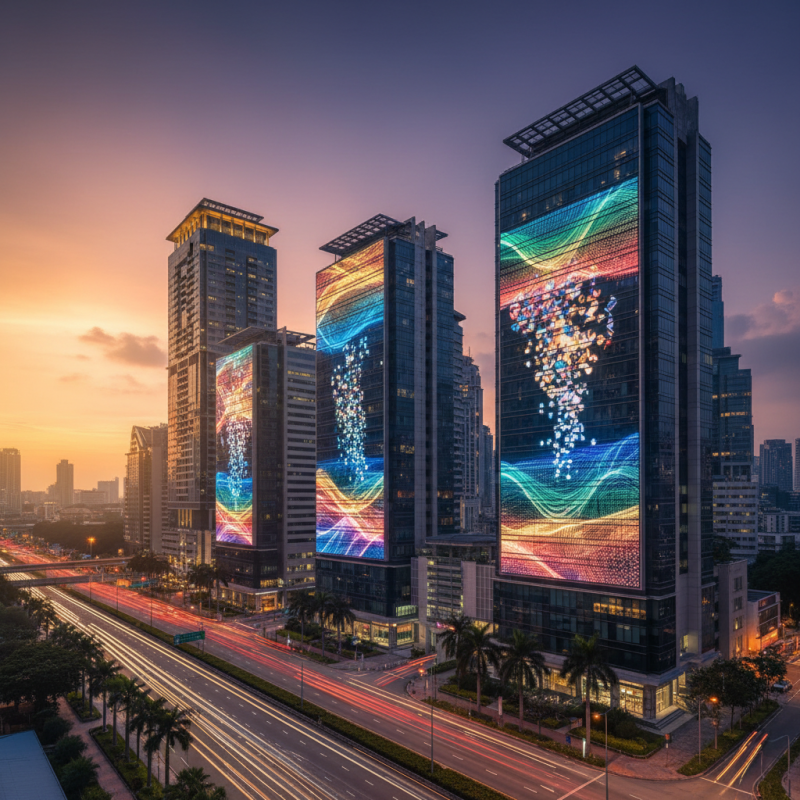
LED display technology has transformed the way businesses and organizations communicate visually in Malaysia. This innovative technology utilizes light-emitting diodes to create vibrant, high-resolution images and videos that capture the attention of audiences. One of the key advantages of LED displays is their versatility, enabling applications in various sectors such as advertising, transportation, entertainment, and education. For instance, large outdoor LED screens are increasingly used in urban areas for advertising and event promotions, providing dynamic content that can be updated in real-time.
Moreover, understanding the different types of LED displays is crucial for making informed choices. There are various configurations, including indoor and outdoor displays, rental screens, and fixed installations, each suited for specific environments and purposes. Additionally, aspects such as brightness, resolution, and energy efficiency play vital roles in determining the effectiveness of the display in various lighting conditions. By thoroughly understanding these factors, businesses in Malaysia can leverage LED technology to enhance their visibility and engage their target audience more effectively. As this technology continues to evolve, it offers exciting opportunities for innovation in visual communication across the nation.
Key Factors Impacting LED Display Quality: Resolution, Brightness, and Colors
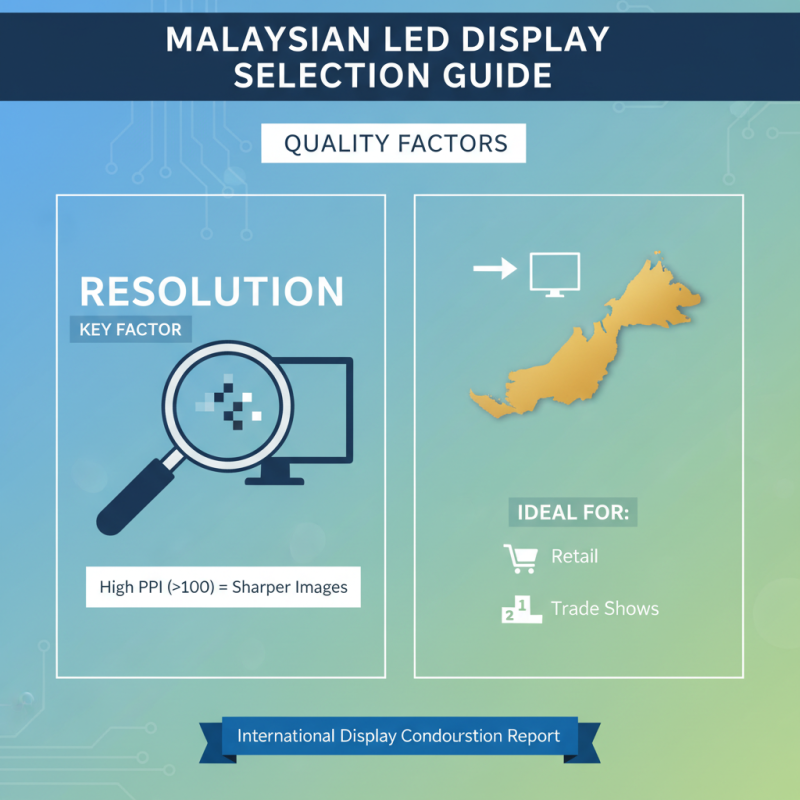
When selecting the best LED display in Malaysia, understanding the crucial factors that impact the quality of these displays is essential. Among these, resolution is paramount. High-resolution LED displays, typically measured in pixels per inch (PPI), deliver sharper and more detailed images. According to a report by the International Display Consortium, displays with a PPI greater than 100 offer a noticeable improvement in image clarity, making them ideal for environments where fine details matter, such as retail settings and trade shows.
Brightness is another critical factor, especially in a tropical country like Malaysia where ambient light levels can vary widely. The brightness of an LED display is measured in nits, with a higher nit rating indicating a brighter screen capable of counteracting glare. Industry standards recommend a minimum brightness of 800 nits for outdoor displays, ensuring visibility even in direct sunlight. A study from DisplayMate Technologies highlights that brighter displays not only enhance visibility but also improve the overall user experience, leading to longer viewer engagement times and increased advertising effectiveness.
Color accuracy is equally significant in evaluating LED displays. The color gamut represents the range of colors a display can reproduce, and displays covering a wider color space tend to create more vibrant and realistic images. Research by the Consumer Technology Association suggests that displays with a color gamut coverage of 90% or more of the DCI-P3 standard are ideal for professional use, providing stunning visuals for media production and entertainment. By prioritizing resolution, brightness, and color accuracy, consumers can select an LED display that meets their specific needs while delivering exceptional quality.
Evaluating Energy Efficiency: Power Consumption Metrics for LED Displays
When selecting the best LED display, energy efficiency stands out as a critical factor. Power consumption metrics enable businesses and consumers to gauge the long-term operational costs associated with these displays. According to a report by the U.S. Department of Energy, LED displays typically consume 75% less energy than traditional LCDs and even less than older technologies like plasma displays. This significant reduction not only leads to lower electricity bills but also decreases the environmental impact, making LED technology a more sustainable choice.
Several key metrics are vital when evaluating the power consumption of LED displays. One such metric is the wattage per square meter, which indicates how much power the display will draw in relation to its size. Reports suggest that high-quality LED screens can achieve wattages as low as 200 watts per square meter, compared to older models that may exceed 500 watts. Another critical aspect is the efficiency rating measured in lumens per watt (lm/W), which quantifies how effectively a display converts electrical power into visible light. Industry leaders recommend looking for products with efficiency ratings exceeding 150 lm/W to ensure optimal performance with minimal energy usage. By focusing on these power consumption metrics, buyers can make informed decisions that align with both financial constraints and environmental responsibilities.
Top 10 Tips for Choosing the Best LED Display in Malaysia - Evaluating Energy Efficiency: Power Consumption Metrics for LED Displays
| Display Size (inches) |
Resolution (pixels) |
Average Power Consumption (W) |
Energy Efficiency Rating |
Lifespan (hours) |
| 32 |
1920 x 1080 |
50 |
A+ |
30000 |
| 43 |
3840 x 2160 |
70 |
A+ |
35000 |
| 55 |
3840 x 2160 |
90 |
A |
40000 |
| 65 |
3840 x 2160 |
120 |
B |
50000 |
| 75 |
3840 x 2160 |
150 |
C |
60000 |
Market Trends in Malaysia: Popular Brands and Consumer Preferences
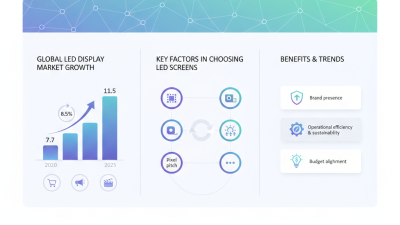
In recent years, the LED display market in Malaysia has witnessed significant growth, driven by increased demand in various sectors such as advertising, retail, and entertainment. With technological advancements and declining prices, consumers are increasingly leaning towards high-quality LED displays that offer vibrant colors, energy efficiency, and durability. This shift has led to a rise in interest not only from corporate clients but also from everyday consumers seeking enhanced viewing experiences for personal use.
Consumer preferences in Malaysia reflect a growing awareness of product features and brand reputation. As shoppers become more discerning, they place high value on factors such as brightness, resolution, and ease of installation. Engaging and interactive displays are particularly popular in urban areas, where interactive advertisements and high-resolution screens capture the attention of passersby. As a result, manufacturers are focusing on innovation and user-friendly solutions to cater to these evolving preferences, ensuring that the offerings meet the aesthetic and functional demands of the Malaysian market.
Comparing Outdoor vs Indoor LED Displays: Use Case and Durability Insights
When choosing an LED display in Malaysia, it's essential to understand the different requirements for outdoor and indoor setups, particularly concerning durability and use cases. Outdoor LED displays are generally built to withstand varying weather conditions; they typically feature robust waterproofing and UV resistance. According to a report by LEDinside, the lifespan of outdoor displays can exceed 100,000 hours with the right maintenance, making them a significant investment for businesses looking to captivate a wider audience. In contrast, indoor displays often prioritize image quality and are designed for more controlled environments, where humidity and temperature can be regulated.
When selecting the right type of LED display, consider the environment where it will be used. For instance, if you're planning to set up an LED screen in a high-traffic area like a shopping mall, an outdoor model with transparency and high brightness levels will be necessary to ensure visibility under bright lights. If your display is meant for an indoor setting such as a conference room, options focusing on resolution and screen size will take precedence, often using lower brightness levels.
One key tip is to always check the IP rating of the LED display; higher IP ratings indicate better protection against dust and moisture, essential for outdoor displays. Additionally, assess the viewing distance—understanding how far away viewers will be can help determine the pixel pitch required for optimal clarity.
Comparison of Indoor vs Outdoor LED Displays