Top Types of LCD Display Technology Explained
LCD displays have transformed the way we experience visuals in our daily lives. From smartphones to large televisions, these displays are everywhere. Understanding the various types of LCD display technology is crucial for making informed purchasing decisions.
There are different types of LCD technology, each with distinct features. Some offer vibrant colors while others emphasize energy efficiency. It's essential to consider your personal needs. Do you prioritize viewing angles or refresh rates? These factors can significantly impact your experience.
As we delve into the specifics of LCD display technology, we will explore its strengths and weaknesses. Recognizing the limitations of each type can help prevent dissatisfaction. Ultimately, the right LCD display can enhance your visual experience in ways that matter most to you.
Overview of LCD Display Technology
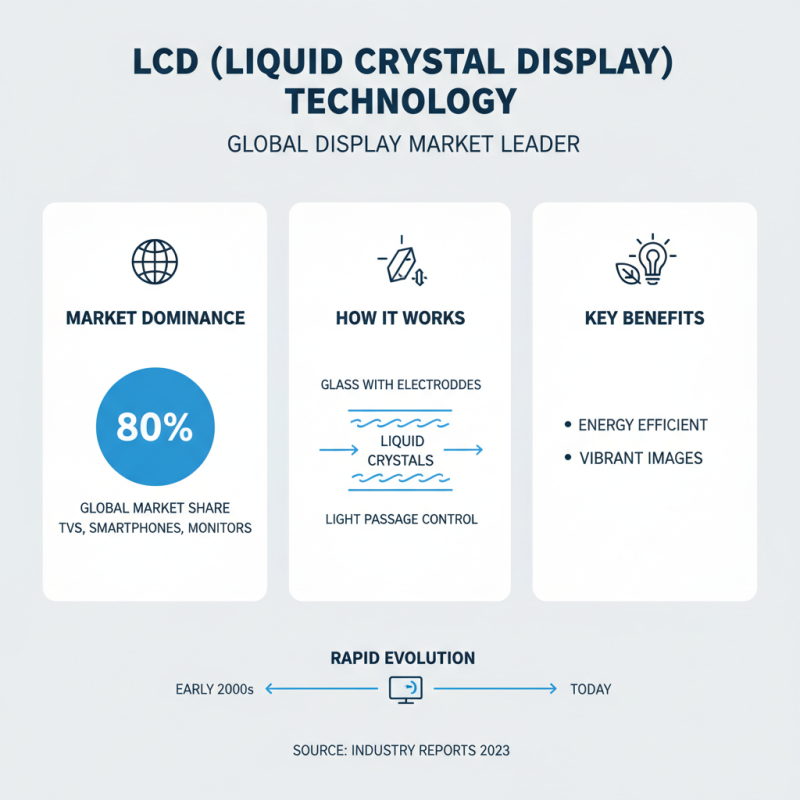
LCD, or Liquid Crystal Display, technology has rapidly evolved. This technology represents about 80% of the global display market. It's widely used in televisions, smartphones, and monitors. The principle behind LCD involves liquid crystals being aligned in such a way that they control light passage. This results in vibrant images and energy efficiency.
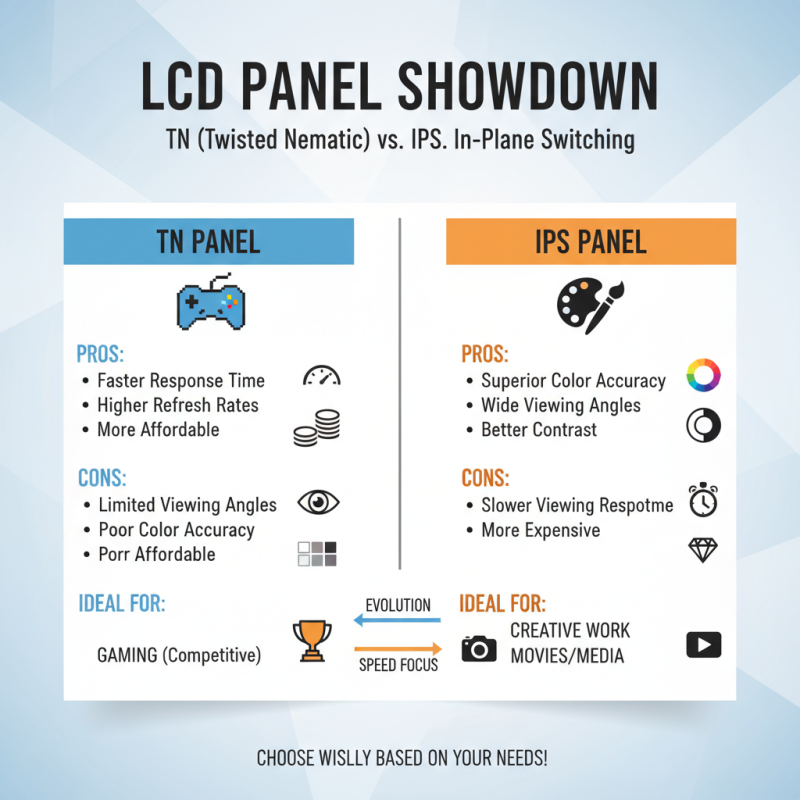
Notably, there are various types of LCD technologies. For instance, Twisted Nematic (TN) panels are popular for their fast response times. They are often used in gaming. However, they struggle with color accuracy and viewing angles. In contrast, In-Plane Switching (IPS) panels offer better color reproduction. Yet, they tend to be slower.
Tip: Choose the right display based on your needs. If you prioritize speed for gaming, TN might be your go-to. However, for graphic design, IPS is superior. It’s essential to weigh these factors carefully. Often, people overlook these details and regret their choices later.
Additionally, remember that not all LCDs are created equal. Some may have backlight issues or poor color spread. Always check reviews and specifications. Understanding these aspects can enhance your viewing experience significantly.
Different Types of LCD Technologies Explained
LCD technology has evolved significantly in recent years. Understanding different types is crucial for selecting the right display. Two common types are TN (Twisted Nematic) and IPS (In-Plane Switching). TN panels are typically cheaper and faster, making them suitable for gaming. However, their color accuracy and viewing angles are limited.
IPS panels excel in color reproduction. They are widely used in professional settings where accurate color is critical. According to a report by DisplaySearch, over 50% of the LCD market consists of IPS technology, reflecting its growing importance. Despite the advantages, IPS displays often come at a higher price point.
Tips: When choosing an LCD, consider your primary use. For gaming, prioritize response time. For graphic design, opt for superior color accuracy. Remember, each type has its drawbacks. Not all TN panels are fast, and not all IPS panels are perfect.
Always check the specifications before buying. Sometimes, a lower-priced TN screen might perform better than a high-end IPS for certain tasks. Being informed can save money and ensure you get the right display technology for your needs.
Key Features of Twisted Nematic (TN) Displays
Twisted Nematic (TN) displays are a prominent type of LCD technology. These displays are known for their fast response times. This quality makes them popular among gamers and those needing quick visuals. TN panels typically offer decent brightness levels. However, their color reproduction often lacks compared to other LCD technologies.
Viewing angles with TN displays are a challenge. Colors can shift significantly when viewed from the side. This issue can impact the overall experience, especially for collaborative work or group viewing. The contrast ratios are generally lower as well, making blacks appear grayish.
Despite these shortcomings, TN displays are still widely used. They tend to be more affordable than other types. This makes them an attractive option for budget-conscious consumers. Users should weigh the pros and cons carefully. Understanding the specific needs for color accuracy might lead them to alternative choices.
Comparison of Key Features of Twisted Nematic (TN) Displays
In-Plane Switching (IPS) Technology: Advantages and Applications
In-Plane Switching (IPS) technology has gained popularity for its superior color accuracy. It's essential for professionals in graphic design and photography. The wide viewing angles offered by IPS panels are another significant advantage. Colors remain consistent, whether you're looking head-on or from the side.
IPS displays excel in rendering vibrant colors. This results in more lifelike images. However, they often struggle with black levels compared to other LCD technologies. Some users note a slight lag in response time. While this may not matter for casual viewing, gamers might find it a drawback.
In everyday applications, you'll find IPS technology in tablets and smartphones. It enhances the visual experience, making it enjoyable for watching videos or playing games. Despite its flaws, many appreciate the trade-offs. The balance between color quality and performance can lead to mixed feelings. Users should weigh their needs before choosing an IPS display.
Top Types of LCD Display Technology Explained - In-Plane Switching (IPS) Technology: Advantages and Applications
| Dimension |
Value |
| Color Accuracy |
Wide Color Gamut (up to 100% sRGB) |
| Viewing Angle |
Up to 178 degrees |
| Response Time |
Typically 5-8 ms |
| Contrast Ratio |
1000:1 |
| Common Applications |
Monitors, TVs, Smartphones, Tablets |
| Advantages |
Better color reproduction, stable image quality at wide angles |
| Disadvantages |
Higher cost, slower response time compared to TN panels |
Vertical Alignment (VA) Displays: Performance and Use Cases
Vertical Alignment (VA) displays offer a unique blend of advantages in visual performance. They are known for their high contrast ratios, often achieving ratios above 3000:1. This feature makes them ideal for watching movies or gaming, where deep blacks and vivid colors enhance the experience. According to a recent report by Display Mate, VA displays excel in delivering vibrant images, particularly in darker environments.
In terms of application, VA technology finds its place in various sectors. For instance, they are commonly used in home entertainment systems and professional monitors. This versatility extends even to budget-friendly options. Yet, while VA displays have advantages, they also have some downsides. Response times can lag behind other technologies, impacting fast-paced gaming scenarios. This aspect can lead to noticeable ghosting, affecting the viewing experience.
Moreover, viewing angles for VA displays, although improved, still do not match those of IPS panels. This can result in color shifts when viewed from extreme angles. Users often find themselves adjusting their setup for optimal viewing. Despite these shortcomings, VA displays remain a popular choice, especially where deep blacks and high contrast are prioritized. Balancing their strengths and weaknesses is crucial for prospective buyers.