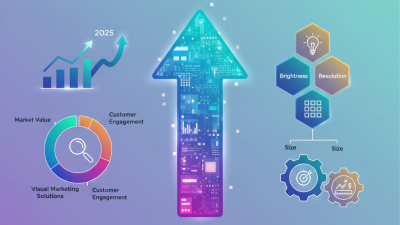
In 2026, choosing an led display will involve more than comparing pixel pitch and price. Market reports indicate continued expansion. MarketsandMarkets’ 2024 LED Display Market study forecasts strong growth through 2028, driven by retail, sports venues, transportation, and corporate communication. Grand View Research also identifies fine-pitch products as a major growth area, especially for control rooms, broadcast studios, and premium indoor advertising.
The numbers vary.
That difference matters. Research firms define “market” differently, sometimes including rental screens, digital signage, replacement modules, or only finished display systems. Global buyers should therefore treat forecasts as directional evidence, not guaranteed sales data. TrendForce’s LED industry analysis highlights Mini LED adoption, improving energy efficiency, and tighter competition among display manufacturers. These trends may reduce costs, but they can also create uneven product quality.
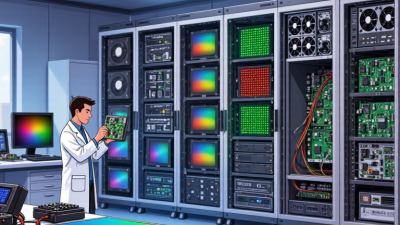
A practical 2026 evaluation should examine viewing distance, brightness, refresh rate, cabinet weight, service access, and power consumption. For outdoor installations, IP ratings, thermal management, wind loading, and salt or dust exposure deserve careful attention. A screen facing direct sunlight needs a different specification from one inside a dim hotel lobby. Compliance with relevant EMC, electrical safety, and environmental requirements also supports dependable international deployment.
The “best” type is not universal. COB, SMD, fine-pitch, transparent, rental, and outdoor LED display systems each solve different problems. Experience from real installations should guide the decision, yet even experienced buyers can overlook maintenance logistics. A lower purchase price may become expensive when spare modules, front access, calibration tools, or local technicians are unavailable. This guide compares the leading 2026 options with evidence, practical limitations, and a necessary degree of caution.
In 2026, LED display buying starts with application, not screen size. Global buyers should match pixel pitch to viewing distance and content detail. A 1.5 mm pitch suits close indoor viewing, while larger pitches can work outdoors. Smaller pixels are not always better. They often increase cost, power use, and maintenance demands.
Brightness needs careful testing.
Indoor displays may need around 600–1,500 nits, while outdoor units often require much higher output. Automatic brightness control can protect viewers and reduce electricity use. Ask for measured brightness, not only promotional figures. Refresh rate matters for camera-based events, especially livestreams and broadcast production. Thermal design matters too. Heat can shorten LED and power-system life.
Weather protection should match the installation, not the sales proposal.
Outdoor buyers should check ingress protection, corrosion resistance, drainage, wind loading, and operating temperature. Request test reports, electrical safety documentation, warranty terms, spare-part plans, and local service response times. These details reveal supplier reliability better than appearance alone. Content management compatibility also deserves attention across different countries and networks.
I have seen attractive specifications hide difficult repairs. Modular access can save labor, but poorly designed connectors create new failure points. Total ownership cost should include energy, calibration, transport, installation, and replacement modules. Buyers should inspect a running sample under real lighting conditions. A screen can look excellent in a showroom and disappoint beside a sunny road.
How LED Displays Are Classified by Technology, Pitch, and Application
LED displays are classified by their technology, pixel pitch, and intended environment. Surface-mounted device panels offer compact pixels and smooth close-range images. Chip-on-board designs can provide stronger protection against dust and moisture. Direct-inserted LED modules remain useful for long-distance viewing and demanding outdoor conditions. Each technology has trade-offs.
Pixel pitch describes the distance between neighboring pixels. A 1.5 mm pitch can support detailed indoor presentations, while a 10 mm pitch may suit highway signage. Smaller pitch usually improves close-up clarity, but it can increase cost and processing demands. Bigger is not always worse.
Application changes the specification. Retail windows need brightness control and clean colors. Stadium screens require wide viewing angles and strong refresh performance. Control rooms often prioritize low brightness, uniformity, and continuous operation. Outdoor installations need weather resistance, drainage, ventilation, and service access.
From project experience, buyers often compare resolution first. That can be a mistake. Viewing distance, sunlight, content type, and maintenance conditions matter just as much. A display may look excellent in a showroom, yet perform poorly under direct afternoon glare. I have also seen buyers choose an overly fine pitch for a distant audience. The result was expensive, not necessarily better. Certification, thermal testing, spare modules, and local service capability deserve equal attention. No selection chart can replace an on-site assessment.
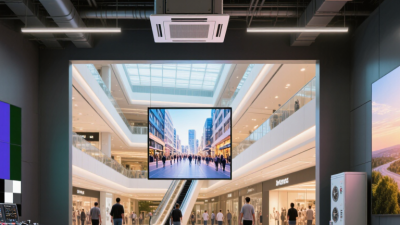
Choosing the best LED display in 2026 depends on location, viewing distance, and building conditions. Indoor LED displays suit conference halls, retail spaces, and studios with controlled lighting. They usually need moderate brightness and a fine pixel pitch for close viewing. However, an extremely fine pitch can increase cost without improving the audience experience. Measure viewing distance first. Outdoor LED displays require high brightness, weather resistance, ventilation, and stable mounting. Direct sunlight is unforgiving. A screen that looks excellent indoors may appear weak outdoors at noon.
Transparent LED displays preserve natural light and visibility through glass façades. They work well in retail windows, airports, and architectural installations. Their open structure can reduce visual obstruction, but daylight may lower image contrast. Fine text often disappears. This limitation is easy to underestimate. Flexible LED displays support curved columns, rounded walls, and creative stage designs. They are useful when flat panels cannot follow the structure. Yet flexible does not mean indestructible. Tight bending, poor alignment, or limited service access can shorten operating life.
Buyers should request a physical sample before approving a large project. Compare brightness, color consistency, power demand, and viewing angles under real lighting. Ask for documented protection ratings, thermal testing, calibration methods, and spare-module plans. I would also question low-cost offers with unclear maintenance terms. A beautiful display can become a difficult asset when replacement parts, cleaning access, or content readability were ignored.
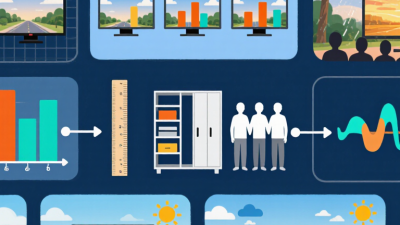
Outdoor LED displays generally require the highest brightness for direct sunlight, while indoor displays use lower brightness to protect viewing comfort. Transparent and flexible LED displays balance brightness with their specialized structure and installation requirements. The figures show typical industry specification ranges in nits; actual performance varies by product design, pixel pitch, environment, and installation conditions.
Choosing an LED display starts with the site, not the cabinet. Outdoor façades need high brightness, weather protection, and strong contrast under direct sunlight. Indoor retail screens usually need finer pixel pitch and quieter operation. The 2024 Omdia LED Display Market Tracker reported continued growth in fine-pitch LED demand, especially for corporate, control-room, and premium retail applications.
Viewing distance determines pixel pitch. A practical industry estimate uses the distance in metres divided by 2 to 3. For example, viewers standing two metres away may need a 1.5–2.0 mm display. Large roadside screens can use 6 mm or more. Content also matters. Text-heavy dashboards require tighter pixels, while animated advertising can tolerate wider spacing. The Digital Signage Federation recommends testing real content at the actual viewing position. That step is often skipped.
Tips: Measure first. Test at noon. Test at night. Review the smallest text. For dynamic content, check motion blur and refresh performance through a phone camera. The 2024 Global Digital Out-of-Home Advertising Market report from WARC shows stronger investment in measurable digital formats, but location still controls attention. A perfect specification cannot rescue a poorly angled screen. I would also leave room for doubt: weather, camera exposure, and human eyesight vary. A sample panel may look excellent indoors, then appear weak beside glass and sunlight.
| LED Display Type | Typical Location | Common Pixel Pitch | Approximate Viewing Distance | Typical Brightness | Best-Matched Content | Key Protection or Design Feature | Recommended Buyer Profile |
|---|---|---|---|---|---|---|---|
| Fine-Pitch Indoor LED | Control rooms, boardrooms, broadcast studios, premium retail interiors and executive meeting spaces | 0.9–1.9 mm | Approximately 1–3 m | 600–1,200 nits | TextChartsMapsDetailed video | High pixel density; front-serviceable modules are useful where rear access is restricted | Buyers prioritizing close-up image clarity |
| Standard Indoor SMD LED | Shopping malls, conference halls, museums, airports and indoor advertising areas | 1.9–4.0 mm | Approximately 2–8 m | 800–1,500 nits | AdvertisementsBrand visualsLive videoPresentations | Lightweight cabinets and moderate brightness for controlled indoor lighting | General indoor commercial installations |
| COB Fine-Pitch LED | Premium command centers, financial trading rooms, studios and high-end corporate environments | 0.9–1.5 mm | Approximately 1–2.5 m | 600–1,000 nits | Small textData dashboardsHigh-detail graphics | Encapsulated LED surface can improve impact resistance and reduce the visibility of pixel structure | Projects requiring premium close-view performance |
| Outdoor Fixed LED | Building facades, roadside advertising, plazas, transport hubs and outdoor public spaces | 4–10 mm | Approximately 4–25 m | 4,500–8,000 nits | Large videoTextPromotionsWayfinding | Typical outdoor cabinets use weather-resistant construction; IP65 front protection is common | Permanent outdoor advertising and information displays |
| Outdoor Rental LED | Concerts, festivals, touring events, temporary stages and sports productions | 2.6–6.7 mm | Approximately 3–17 m | 4,000–6,500 nits | Live camera feedsConcert visualsSports replay | Lightweight quick-lock cabinets; outdoor models commonly provide IP65 front and rear protection | Event operators needing frequent installation and removal |
| Transparent LED | Glass storefronts, shopping mall windows, atriums and building-glass applications | 3.9–10.4 mm | Approximately 4–25 m | 3,000–6,000 nits | Motion graphicsProduct campaignsDecorative visuals | Open structure allows daylight and partial visibility through the display; transparency varies by model | Retailers that need advertising without fully blocking windows |
| LED Poster Display | Retail entrances, hotel lobbies, exhibitions and indoor promotional areas | 1.8–3.9 mm | Approximately 2–8 m | 800–2,500 nits | Portrait advertisingMenusPromotions | Integrated cabinet format; often designed for fast deployment and simple content management | Small or medium locations needing movable digital signage |
| Sports Perimeter LED | Football, basketball, tennis and other outdoor or indoor sports venues | 6.7–10 mm | Approximately 7–25 m | 4,500–7,000 nits | SponsorsScoresLive graphics | Protective soft masks, stable refresh performance and suitable viewing angles help protect athletes and cameras | Venue owners and sports-event advertising operators |
| All-in-One Indoor LED | Classrooms, corporate meeting rooms, training centers and hybrid-work spaces | 1.2–2.5 mm | Approximately 1.5–5 m | 500–1,200 nits | Video meetingsPresentationsCollaboration | Integrated processing, speakers or connectivity can reduce installation complexity | Organizations seeking a simplified meeting-room solution |
| Fine-Pitch Outdoor LED | Outdoor transit information, premium facade displays and high-end urban installations | 2.5–4.0 mm | Approximately 3–10 m | 5,000–8,000 nits | Detailed signagePublic informationHigh-resolution video | Requires strong weather sealing, thermal management and automatic brightness control | Outdoor projects with close viewers and demanding image detail |
| Selection note: Pixel pitch is a useful starting point, but the correct choice also depends on ambient light, screen size, camera usage, content detail, viewing angle, power availability, service access and local weather conditions. As a practical rule, a smaller pixel pitch supports closer viewing, while outdoor installations generally require higher brightness and weather protection. Brightness values and protection ratings are indicative industry ranges and should be confirmed against the final project specification. | |||||||
Global buyers should judge LED displays by measured brightness, not showroom impact. A display rated for 5,000 nits may appear powerful, but outdoor glare, viewing distance, and automatic dimming change real performance. Ask for brightness at normal operating settings. Test it in sunlight.
Reliability often matters more than peak specifications. Inspect cabinet sealing, drainage paths, connector protection, and cooling design. For outdoor installations, weather resistance should match the site’s climate, including dust, rain, heat, and freezing temperatures. Request test reports, warranty terms, repair procedures, and spare-part availability. A replaceable module can reduce downtime, but only if trained service support exists locally.
Energy use deserves closer attention. Compare watts per square meter at typical brightness, not maximum output. Sensors and scheduling can lower consumption during quiet hours. Over five years, electricity and maintenance may exceed the original purchase price. My first buying mistake was focusing on pixel density while ignoring access for repairs. Higher density looked sharper, but it also increased cost and power demand. That choice was not automatically better. Buyers should calculate total ownership cost, confirm local electrical compliance, and inspect a running sample for flicker, color consistency, heat, and noise before signing a contract.