How to Choose the Best Outdoor LCD Display for Your Business Needs?
In today's competitive landscape, choosing the right outdoor LCD display can be daunting. Many businesses struggle to find a solution that meets their specific needs. As pointed out by industry expert Mark Davis, "The right outdoor LCD display can transform how your brand engages with customers." Understanding the various options is essential.
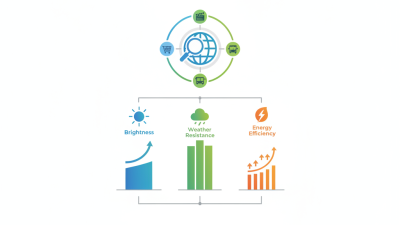
Various factors can influence your decision. These include brightness, durability, and technology. Outdoor environments pose unique challenges. Your display must withstand weather conditions while delivering vibrant images. Mark emphasizes, "Don't compromise on quality; it reflects your brand's image." It’s crucial to consider the placement and audience.
Many businesses overlook the importance of these factors. Reflecting on past experiences, some organizations have wasted their budgets on displays that failed to perform. Invest time in research to ensure your outdoor LCD display truly fits your goals. Adjusting to changes and learning from others’ mistakes can lead to a more informed purchase.
Understanding Your Business Requirements for Outdoor LCD Displays
When selecting outdoor LCD displays, understanding your business requirements is essential. Industry reports suggest that 70% of consumers make purchase decisions based on visual stimuli. Therefore, the right display can significantly impact customer engagement. Businesses must consider environmental factors, such as sunlight and weather conditions. These elements can affect visibility and functionality, making specific features crucial.
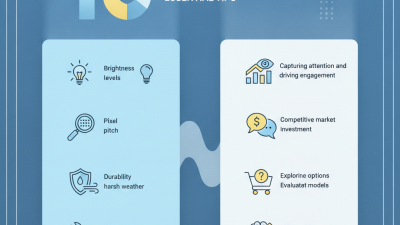
Brightness levels are a key consideration. Displays with at least 2500 nits are recommended for direct sunlight. Studies indicate that visibility drops dramatically in bright conditions if the display lacks adequate brightness. Additionally, durability is vital. An outdoor display must withstand extreme temperatures and moisture. Research shows that outdoor displays with IP65 ratings last significantly longer than those without.
Budget is also a factor, but quality should not be compromised. While it might be tempting to opt for cheaper options, they often lead to higher costs in the long run due to maintenance. Many businesses overlook the importance of after-sales support and warranty options. Consider vendors that offer robust support, as this can make a substantial difference in product longevity and performance.
Evaluating Display Brightness and Visibility in Outdoor Settings
When selecting an outdoor LCD display, brightness and visibility are paramount. An ideal outdoor display should have a brightness level of at least 1,500 nits. This ensures that the screen remains clear and vibrant, even in direct sunlight. Outdoor environments have variable lighting conditions, so a higher brightness level offers better visibility for passersby.
Consider the angle of visibility too. A display that looks great straight on might be hard to read from the side. A wider viewing angle can effectively engage a larger audience. Analyze the screen’s contrast ratio as well. A higher contrast ratio significantly improves readability, especially against different backgrounds.
Finally, think about weatherproofing. Displays need to withstand rain, snow, and dust. An IP rating of 65 or higher indicates robust protection. Regular maintenance and weather considerations are crucial for longevity. Small imperfections in display placement or exposure can impact overall effectiveness. Investing time in these details ensures long-term success in reaching your audience through clear, engaging visuals.
Assessing Durability and Weather Resistance of LCD Displays
When selecting an outdoor LCD display, durability and weather resistance are critical factors. These displays often face harsh conditions, from intense sunlight to heavy rain. Reliable features include protective casings and anti-glare screens. A robust display can ensure consistent performance, even under extreme temperatures.
Consider the materials used in the construction. Tempered glass can resist impact and scratching, while corrosion-resistant frames prolong lifespan. Certification ratings for water and dust resistance offer peace of mind. Displays with higher IP ratings can endure rain and dust better than others. A good choice will not only survive but excel in challenging environments.
Testing prototypes in real-life settings is essential. Sometimes, displays may not perform as expected outdoors. Issues can arise with brightness or visibility in full sunlight. Observing these factors firsthand can inform better decisions. Reflection on past experiences can lead to improved choices, ensuring your investment truly fits your business needs.
Considering Installation Options and Space Constraints for Displays
Choosing the right outdoor LCD display involves careful consideration of installation options and space constraints. Start by evaluating the physical location for the display. Is it a high-traffic area? Consider the display size and brightness. You want it visible, but not overwhelming.
Next, think about how you'll mount the display. Wall mounts can save space but require sturdy structures. If you have limited wall space, freestanding options might be more suitable. Both choices come with unique challenges. You may struggle with securing the display against weather elements. Ensuring stability is crucial.
Pay attention to the surrounding environment. Trees, buildings, and signs can all obstruct the view. Make sure you also consider power supply accessibility. Inadequate electricity can lead to project delays. Reflecting on these factors will guide you in making a reliable choice that meets your business's needs.
Budgeting for Purchase and Maintenance of Outdoor LCD Displays
Budgeting for outdoor LCD displays requires careful consideration of various factors. Initial costs can be significant. Prices vary widely based on size, features, and durability. It's important to determine your budget based on your business needs. Small businesses should consider mid-range options. Larger enterprises may need high-end displays for better visibility.
Maintenance is another critical factor. Outdoor displays face harsh conditions. Weather, vandalism, and operational wear can increase costs. Regular upkeep can extend the lifespan of your investment. It's wise to set aside funds for repairs. Ignoring this aspect can lead to unexpected expenses and downtime.
Unexpected failures can disrupt your message delivery. Investing in protective casing may seem costly, but it can save money long-term. Analyzing the total cost of ownership is essential. Don't overlook installation costs and potential energy bills. Evaluate your projected ROI based on how the display will enhance your marketing efforts. Budgeting wisely ensures that outdoor LCD displays serve your business effectively.
How to Choose the Best Outdoor LCD Display for Your Business Needs?
| Display Size |
Resolution |
Brightness (nits) |
Weather Rating |
Estimated Cost |
Maintenance Cost (Yearly) |
| 32 inches |
1920 x 1080 |
1000 |
IP65 |
$1,200 |
$150 |
| 50 inches |
3840 x 2160 |
2500 |
IP66 |
$2,500 |
$200 |
| 65 inches |
3840 x 2160 |
3000 |
IP67 |
$3,500 |
$250 |
| 75 inches |
3840 x 2160 |
3500 |
IP68 |
$5,000 |
$300 |