How to Choose the Best Outdoor LED Display for Your Business Needs?
Selecting the right outdoor LED display for your business can be challenging. Industry expert, John Smith, emphasizes, "The right display can transform your brand visibility." This statement underscores the importance of choosing wisely. Outdoor LED displays offer vibrant visuals that capture attention. However, not all displays are created equal.
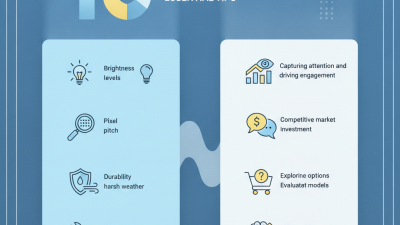
When choosing an outdoor LED display, consider key factors like brightness, durability, and resolution. A display must withstand various weather conditions. High brightness is vital for clear viewing in sunlight. Think about where your display will be placed and how it fits your brand identity.
Also, it’s easy to overlook installation and maintenance costs. These can impact your budget. Remember, a poor choice can lead to missed opportunities. You want a display that reflects quality and aligns with your business goals. Make informed decisions to ensure your outdoor LED display truly enhances your presence.
Understanding Your Business Requirements for an Outdoor LED Display
Choosing the right outdoor LED display requires a clear understanding of your business needs. Start by considering your target audience and location. Reports indicate that about 71% of consumers notice digital signage, making visibility crucial. Identify whether the display will be used for advertising, information, or entertainment. Each purpose may demand different brightness levels and designs.
Tip: Assess your viewing distance. If your audience is far away, a display with larger pixels may suffice. For close-range viewing, opt for higher resolution to capture detail.
Next, dive into environment considerations. Outdoor displays must withstand weather elements. According to industry data, up to 30% of displays fail due to improper environmental protection. Also, think about installation requirements and maintenance. A poorly selected display could lead to costly repairs and downtime.
Tip: Look for features such as remote management. This can save time and enhance operational efficiency. Regular reviews of your display's performance can reveal areas needing improvement. Engaging experts for installation can also mitigate risks associated with frequent breakdowns.
Key Features to Consider When Selecting an Outdoor LED Display
When selecting an outdoor LED display, consider several key features that can greatly impact your business. Brightness is crucial; displays should range between 5,000 to 10,000 nits for clear visibility in direct sunlight. A report from the National Association of Broadcasters notes that outdoor displays with higher brightness levels attract more attention, significantly boosting viewer retention.
Another important feature is pixel pitch. It determines image clarity and detail. A smaller pixel pitch, say 10mm or less, offers sharper images suitable for close viewing. Research indicates that displays with a pixel pitch of 10mm can yield a viewing distance of about 10 feet. This specificity allows businesses to tailor their LED displays to match their space and audience.
Durability and weather resistance cannot be overlooked either. LED screens should have an IP rating of at least 65 to withstand rain, dust, and other elements. Investing in robust outdoor displays prevents frequent replacements and maintenance, driving long-term value. While these features are essential, finding the perfect balance may require adjustments and careful planning to meet your unique business needs.
How to Choose the Best Outdoor LED Display for Your Business Needs?
| Feature |
Description |
Importance |
| Brightness |
Measures the visibility and clarity of the display under sunlight. |
High, crucial for outdoor visibility. |
| Pixel Pitch |
Distance between pixels; Affects image clarity and viewing distance. |
Medium, impacts visual quality. |
| Weather Resistance |
Ability to withstand outdoor elements like rain and snow. |
High, essential for longevity. |
| Refresh Rate |
Frequency of image refresh; Impacts video smoothness. |
High, important for video content. |
| Size |
Dimensions of the display; Influences visibility and space requirements. |
Medium, must fit installation space. |
| Connectivity Options |
Available options for connecting to content sources. |
High, enhances content management. |
| Cost |
Price of the display; Overall budget considerations. |
High, needs to align with budget. |
Evaluating Different Outdoor LED Display Technologies
When evaluating outdoor LED display technologies, understanding the types available is crucial. Common options include direct view LED, LED billboards, and digital signage displays. According to recent industry reports, outdoor LED displays can enhance ad visibility by up to 47%, showcasing their effectiveness.
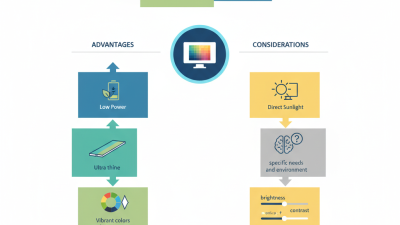
Direct view LEDs offer high brightness and vibrant colors. They perform well in direct sunlight, making them suitable for outdoor environments. However, they may require significant investment. LED billboards, on the other hand, provide sustainability and reduced energy consumption. Studies suggest that transitioning to LED technology can lower energy costs by approximately 60%.
Tips: Always consider the pixel pitch. A smaller pixel pitch results in finer image quality. Moreover, ensure proper weatherproofing. This protects your investment from environmental damage.
Digital signage displays also allow for dynamic content updates. Businesses can adjust messages in real-time, responding quickly to customer demands. However, software and content management systems can complicate setup. For this reason, it's crucial to invest time in training your staff.
Assessing Installation and Maintenance Needs for LED Displays
When choosing an outdoor LED display, installation and maintenance are critical factors. According to recent industry reports, nearly 30% of businesses experience unexpected costs due to improper installation. This can result from poor site assessment or inadequate support structures. The best practices suggest conducting a thorough analysis of the site. Understand local weather conditions and structural requirements. Consider how the display integrates with existing infrastructure.
Maintenance is another essential aspect. A study showed that regular maintenance can extend the lifespan of LED displays by up to 50%. It's vital to establish a routine schedule for cleaning and checking connections. Many companies overlook the importance of training staff on basic troubleshooting. This can lead to prolonged downtimes when issues arise. Having a reliable service partner can also reduce response times during emergencies. Proper planning can help prevent significant operational disruptions.
Balancing installation costs with quality is a challenge. While investing in a professional installation team may appear expensive, it often pays off in the long run. Companies should consider the hidden costs of frequent repairs or replacements due to substandard installation. This reality often prompts reflection on initial budgeting decisions. Ensuring the display serves its purpose effectively demands careful consideration of these maintenance factors.
Budget Considerations and ROI for Outdoor LED Displays
When selecting an outdoor LED display, budget plays a critical role. Pricing can vary widely based on size, resolution, and technology.
Businesses should start by determining their budget range. A well-defined budget helps narrow choices and ensures options align with financial constraints.
Some displays may seem costly but provide a higher return on investment (ROI) over time through better visibility.
ROI for outdoor LED displays is essential. An effective display can attract more customers, leading to increased sales.
However, high upfront costs can be daunting. It is crucial to analyze long-term benefits versus initial expenses.
Consider maintenance costs and energy efficiency too. Sometimes, opting for a less expensive model might lead to higher operating costs.
Reflecting on these factors can lead to wiser investments.
Businesses should calculate expected gains from advertising and calculate payback periods.
Gathering insights through case studies or expert consultations can provide valuable perspectives.
Investing in a display that truly meets business needs can improve visibility and profitability.